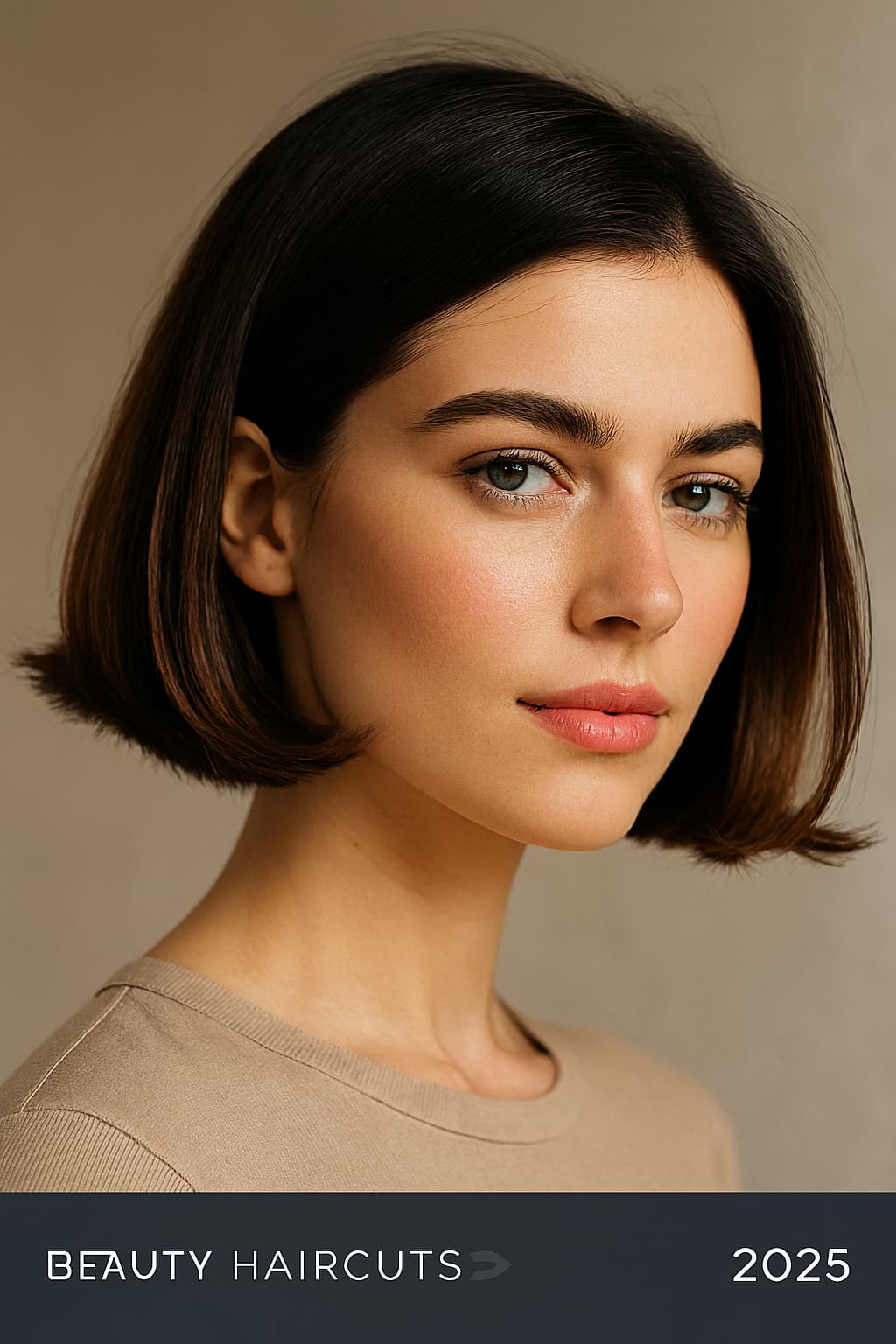
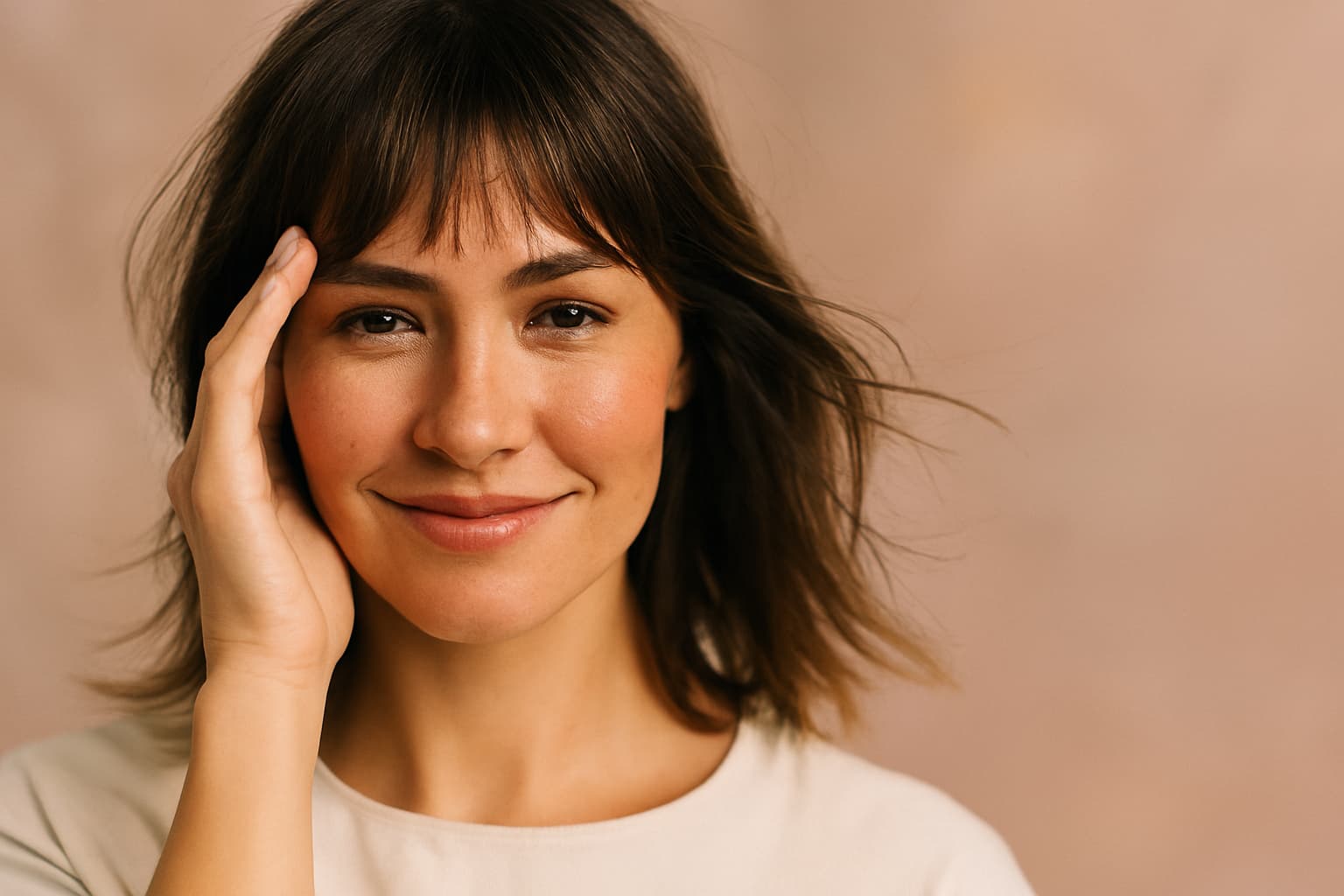
When I first contemplated getting bangs, I realized how many lives they have changed simply by becoming a modern go-to style. Curtain bangs are universally beloved, not only by favorite celebs, but also by the experts who all agree on the fresh energy they bring. The match between the relaxed vibe of summer and the simplicity of this cut makes it so elevating for any look. I remember my own first visit to a celebrity hairstylist, where the idea of a desirable, slightly shaggy fringe felt both bold and natural. Growing up as a California-born-and-bred beach lover, I could see how the characters in groovy films, or even memories of the French Riviera in summer 1973, influenced this distinct cut with its ties back to the Me Decade. Yet here in 2026, the same style feels at home, rooted in individuality and designed to be flattering for everyone.
Over the years, I’ve seen every pro agree that this fringe can work with any style, face shape, or hair texture. Its versatile charm and impactful finish can instantly frame the face, no matter how the hair is worn—pulled back, styled to elevate loose hairstyles, or even shaped into something cool and modern. Once, standing at the fence of trying a new bang cut, I found myself fully covered by a simple guide that made navigating curtain bangs easier.
From the first cut to styling at home, the curtain fringe became more than just a haircut—it was a style statement that frames and softens features, adding a touch of effortless glamour to any look. Today, whether admired on A-list style icons or adapted into easy-to-wear trends, this fringe fits every hair type and length, from tousled, textured waves to sleek, polished finishes. For me, the curtain fringe remains the ultimate update when I want to grow out my fringe without losing style.
What Are Curtain Bangs?
When I first discovered curtain bangs, I realized they do for the face what artfully draped curtains do for a window—they create a softer, more bespoke interpretation of the typical straight-across cut. Instead of forcing lines, they flatter the bone structure and highlight facial features like the eyes or cheekbones.
The perfect balance lies in how they create a sense of softness while keeping everything in balance. A longer version with a center part can open the face, while a slightly more forward framing of the brow line serves the purpose of helping to bring out the most positive features. This makes the curtain fringe, especially popular in the US, a truly face-framing option that can be parted down the middle or worn slightly off-centre.
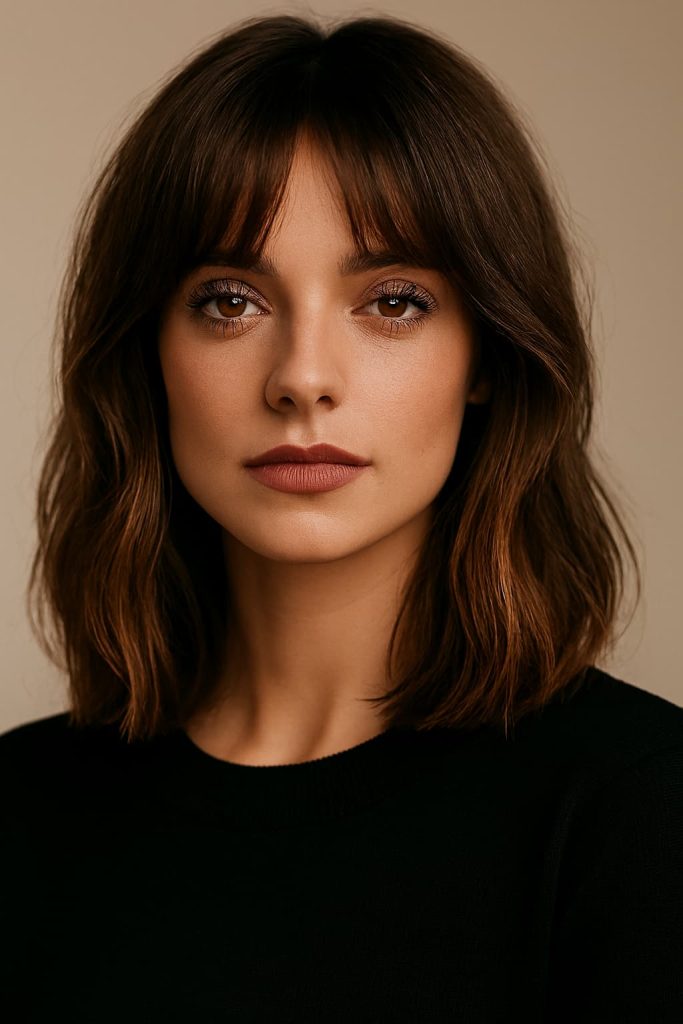
From my own chair-time experience, I’ve seen how the pieces that are shorter in the middle and gradually longer at the sides give the shape that mimics how fabric naturally drapes open, which explains the name. The cut is cleverly designed to blend seamlessly with the rest of the hair, making it surprisingly low maintenance compared to shorter, blunter fringes.
I’ve worn mine soft and wispy for a relaxed boho, lived-in feel, and I’ve also styled them sleek for a sharper, more structured look. This adaptability is why the curtain fringe continues to inspire anyone who wants versatility without giving up style.
Will Curtain Bangs Suit Your Face?
If you have fine or thin hair, you can still enjoy curtain bangs, but there are a few things to keep in mind so they truly work for you. Ask your stylist for light layers to create natural movement and fullness.
Keeping your fringe around cheekbone to jaw-length works best, since very short or very long curtain fringes may lose their shape or sit flat. Styling tools like a round brush, a quick blow-dry, or a touch of texturising spray can boost volume and give you that signature swoosh. This style is so known and coveted for a good reason—but it’s also smart to weigh if it feels right for your lifestyle.
As François explains, the sheer physicality and feeling of hair on your face can feel uncomfortable for some, while others find it more practical to keep hair fully swept back in their day to day routine. Expect more trips to the salon for bang trims, plus added maintenance like extra cleansing (since bangs can get greasy, absorb oil, sweat, makeup, and even SPF). Still, with a little daily finessing, many find it totally worth it. As Townsend says, “If you can give your bangs 10 minutes, you’re done.”

The beauty of the curtain fringe is that it flatters every face shape:
- Round faces benefit from the elongating effect of longer sides.
- Square faces enjoy softened edges with a natural, wispy texture.
- Oval faces are lucky—they can pull off any variation of a curtain fringe effortlessly.
- Heart-shaped faces shine with a centre part that balances the forehead and jawline.
Best of all, curtain fringes work with many hair textures—whether curly, wavy, or straight—you just need the right styling techniques for your texture.
What to Tell Your Stylist Before Getting Curtain Bangs
When asking for curtain bangs, it helps to know that the pros always recommend having your bangs cut by a professional hairstylist after a proper consultation. A good stylist looks at your face shape, features, and even your lifestyle before suggesting the right version of this style. I’ve noticed that showing pictures of a different face can sometimes confuse both you and the stylist, so doing some research in advance is useful.
Once, I even followed François and Townsend’s advice by making a simple sketch of my face on paper, adding shading around the corners, top, and head to see how an oval shape could give more flattering results. This little step prepared me for a more meaningful conversation and set realistic expectations before my haircut.

When you arrive at the hairdresser, bring reference photos so your idea doesn’t differ from theirs. You can also share your opinion on details like:
- Length – Do you prefer just above the brows or grazing the cheekbones?
- Blending – Should it flow into face-framing layers or stand alone as a statement?
- Thickness – A full, voluminous look or a lighter, airy style
From my experience, it’s smart to ask your stylist to cut the fringe longer at first—you can always trim it shorter, but growing out a too-short fringe needs a lot of patience. Trust their guidance, since your best interests are always part of the process of getting the perfect curtain fringe.
what is Easy Ways to Style Curtain Bangs Like a Pro?
When I first learned how to style curtain bangs, I realized that working with straight or wavy hair while the strands are still wet is actually advantageous. Townsend recommends starting by blow-drying your hair straight down using a flat brush or even a boar-bristle brush to help with the initial shaping. Once dry, switch to a round brush held vertically and gently flick the ends for that soft movement. This little detail feels like a nod to the late ’60s and early ’70s, but the look feels completely modernized.

I’ve also tried adding a volumizing spray at the root area before blow drying, which helps the volume last longer while keeping things smooth and minimizing flyaways. Elbaum suggests this step as well, and it really makes a difference if you want your bangs to stay bouncy and polished. Over time, I’ve found that these techniques not only create the ideal shape but also make styling faster and more natural.
Why Do Curtain Bangs Curl (and How to Fix It)?
The perfect curtain bangs are often described as effortlessly wispy, with just a slight curl that sits around the cheekbone. But in reality, they don’t always fall into place neatly. Oftentimes, you’ll need to style them in a certain way, as they may curl too much for your personal liking. From my own experience working with clients, I’ve noticed that even the best cut can shift over time, depending on how the hair settles day to day.
According to Elbaum, there are two main reasons why this happens. If your hair is naturally curly, then your bangs will obviously bend at the end. The second factor is the cut itself—when shaped at an angle, curtain bangs tend to curve unless they’re styled differently. I’ve often suggested small tweaks with heat tools or styling sprays to manage this, because even the most perfect bangs need a little extra care to keep that balanced, face-framing softness.
Curtain Bangs Care: Tips to Keep Them Looking Fresh
Taking care of curtain bangs may require just two things: regular visits to salons for trims or shape-ups every few weeks, and refreshing them daily for that essential look with maximum impact. To keep them fresh-looking, I often rely on dry shampoo, my real best friend. Whether in aerosol or loose powder, modern dry shampoos are very user friendly and don’t leave that old white powder residue.
I personally utilise them at every stage—from squeaky clean hair that quickly absorbs sweat to a couple days later when I just need a refresh. It not only adds volume and body but also helps to revive curly, coily, or kinky textures. A small spritz of lightweight styling mist can easily reset the bangs whenever they start to fall flat.
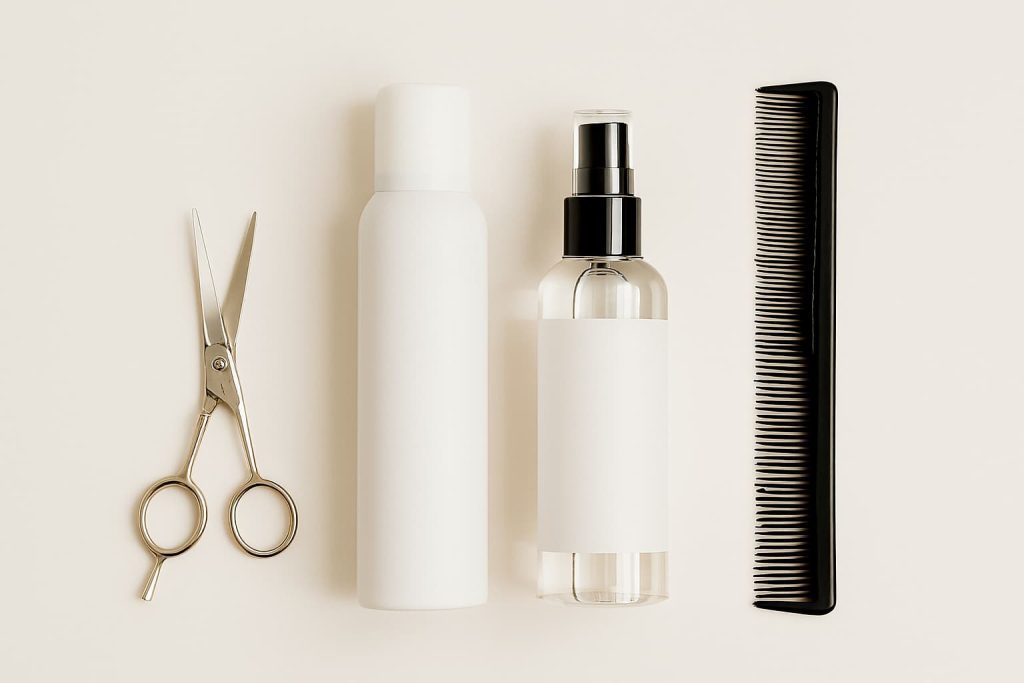
At the same time, curtain fringes are relatively low-maintenance, but still need some upkeep to maintain their shape. The best way is to trim every 3-4 weeks so they stay neat and cared-for. To avoid split ends and minimise the appearance of damage from frequently using heat styling, I always protect mine. Because they sit on the forehead, they can turn greasy faster than the rest of the hair, so gentle washing with a shampoo and conditioner often keeps them fresh. And when I do blow drying or heat styling every day, I never skip a heat protectant spray—it’s the only way to avoid breakage from straighteners or curlers.
❓ Which face suits curtain bangs?
Curtain bangs are one of the most versatile styles and suit almost every face shape. For round faces, they add length and framing; for square faces, the soft layers balance sharp jawlines; and for oval or heart-shaped faces, they highlight cheekbones beautifully. Professional stylists often recommend them because they can be customized in length and thickness to flatter your unique features.
❓ What are 2000s bangs called?
In the early 2000s, the most popular bangs were often called “side-swept bangs” or “emo bangs.” These were long, angled fringes that covered part of the forehead and sometimes one eye, creating a dramatic look. While less common today, many modern variations—like curtain bangs—evolved from these iconic styles
Do curtain bangs work with curly hair?
Yes, curtain bangs can look stunning on curly or wavy hair. Instead of fighting your natural texture, stylists suggest working with it. Curly curtain bangs create softness around the forehead and blend seamlessly with layered cuts. To keep them manageable, use a lightweight curl cream or styling mousse and regular trims to maintain shape.
❓ What face shape suits bangs best?
lmost every face shape can suit bangs—it’s about choosing the right type.
Heart-shaped faces: Curtain bangs or soft fringes balance a wider forehead.
Stylists agree that a professional consultation helps pick the bang style that best matches your bone structure.
Round faces: Longer curtain bangs or side-swept bangs elongate the face.
Square faces: Wispy or curtain bangs soften strong jawlines.
Oval faces: Most bang styles, including blunt or curtain, are flattering.
❓ Are curtain bangs low maintenance?
Curtain bangs are considered one of the lower-maintenance fringe styles because they grow out gracefully. Unlike blunt bangs, they don’t require constant trimming to stay stylish. However, to keep them fresh, most stylists recommend a light trim every 6–8 weeks and quick styling with a blow dryer or round brush. With the right cut, they can easily blend into the rest of your hair as they grow.
❓ Do curtain bangs make you look younger?
Yes, many stylists say curtain bangs can give a youthful appearance. They soften facial features, highlight the eyes, and frame the cheekbones, which can make the face look fresher and more balanced. The soft layers also disguise forehead lines, making them a subtle anti-aging hairstyle choice without looking too harsh or dramatic.
❓ Can I style curtain bangs without heat?
Absolutely. Curtain bangs can be styled without heat using techniques like overnight rollers, twist-and-pin methods, or air-drying with a leave-in product. For wavy or curly hair, a lightweight mousse or curl cream can help define the natural shape. Heat styling can give a polished look, but with the right cut and texture, curtain bangs look effortlessly stylish even when air-dried.