


The first thing people often notice is your hair, because it works as a statement that tells a lot about your personality. Even a small piece of change in your look can feel big if it perfectly captures your unique style. From my own experience, adding a vivid color or trying a new cut like the wolf cut always draws attention, and it’s more than just a passing trend.
With the right stylist, you can show your individuality in a way that truly suits your type, whether curly, wavy, or straight. It’s no wonder some of the trendiest haircuts are now linked with icons such as Miley Cyrus and Billie Eilish, who helped turn this bandwagon into a global style shift.
What makes the wolf cut special is how simple it is to maintain while still feeling exciting. It started as a TikTok craze but soon became a salon staple because the edgy, slightly unpolished style blends the volume of a shag with the structure of a mullet.
This mix creates a versatile, expressive look that feels bold and delivers a full transformation. By adding layers, the cut feels fresh and modern, and its texture works across different lengths, colors, and textures. That’s why it has become one of the most adaptable styles of this moment, appealing to anyone who wants both impact and personality in their hairstyle.
What is Wolf Cut?
At its core, the wolf haircut is a mash-up of two iconic styles—the shag and the mullet. It uses heavy, choppy layers at the top with longer, wispy ones toward the bottom, creating natural movement and volume without much styling.
The result is a lived-in, almost rocker-cool vibe that makes your hair truly stand out. From my own explanation to clients, I describe this cut as a modern twist on the 70s look combined with the 80s, where shorter pieces in the front and at the head balance with lengths at the back for a slightly messy, textured finish that really adds shape.
What is a Wolf Cut? Face Shapes It Suits + Styling Tips:The Answer-
[su_note note_color=”#e0e3fb” radius=”5″]Wolf cut suits round or oval faces with thicker hair, while butterfly cut flatters diamond or heart shapes and fine strands. Butterfly is low-maintenance and polished; wolf is edgier but needs upkeep. Both shine, but only if you’re ready to style them.[/su_note]

Who Can Rock the Wolf Cut?
The wolf cut is known for its edgy look and that built-in rock-and-roll vibe that feels bold yet playful. With the right stylist, the layers can be tailor-made to suit your features, hair type, and texture. From my experience, curly or wavy hair brings out a natural, slightly wild charm, while fine strands at the top of the head benefit from extra lift to boost volume, making them appear fuller and more dynamic. This style works across short and long styles, where shorter cuts often feel choppier, but with the right vision you can decide how bold or subtle you want it to be.
What makes the wolf cut stand out is its gender-neutral, versatile appeal. Whether your hair is straight, curly, or wavy, the cut can emphasize your features beautifully. Many choose bangs, especially curtain ones, for a softer appearance, but it’s not required—you can go with no bangs and still have a statement haircut.
This is about expressing yourself, so don’t hesitate to ask for drastic or subtler touches, even a hint of mullet if that’s in your preferences. Bringing reference pictures for inspiration and asking plenty of questions always helps the stylist refine the final look.

The wolf cut is meant to be a little messy, not overly tightly styled. If you prefer a sleek, structured hairstyle, or dislike heavy layering, you may find it less appealing. Still, it’s designed for movement, giving a relaxed yet sharp impression. Those who love a polished, low-volume finish might explore a different route, but if you enjoy freedom and flow, this style could be your best match.
I’ve also seen how hairstyle balance can transform faces. On round, oval, or heart-shaped profiles, the wolf cut feels especially flattering, bringing structure and balance in a way that looks fun and effortless. The extra lift at the crown creates the illusion of a longer, more lifted shape, while face-framing layers help soften sharp angles or highlight wide cheekbones. With soft, sometimes even choppier textures, the cut matches different vibe preferences.
To maintain softness and manageability between trims, I often suggest misting the mid-lengths with a light Conditioner, which can refresh the style without unwanted buildup or weight.
Are Wolf Cuts High Maintenance?
From my own experience, the wolf cut feels like an effortless haircut that makes every day easier. Its low-maintenance vibe comes from the tousled look that needs little styling. A quick product or touch-up is often enough, and for fine or straight hair, you can add texture with a curling iron or texturizing spray.
It’s the type of wash-and-go style I recommend for anyone who wants flexibility. For curly or wavy hair, just stick to your routine—a little anti-frizz serum keeps curls hydrated and smooth. For straighter strands, creating a more defined shape in the layers with the right tools helps, but always use a heat protectant to avoid damage on ends that become more noticeable. The true beauty lies in its minimal effort; a slight tousle makes the messy finish feel like natural perfection.
I’ve also noticed that wild, slightly edgy wolf cuts are surprisingly easy to maintain. The slightly messy, undone effect is by purpose, so you don’t waste much time perfecting your hair every morning. A small trim every 6 to 8 weeks keeps the layers sharp and balanced. Between cuts, a styling product like a texture spray, putty, mousse, or even dry shampoo enhances the shape and volume. For natural wave or body, the cut takes little effort on a day-to-day basis, which is why so many people enjoy it without stress.
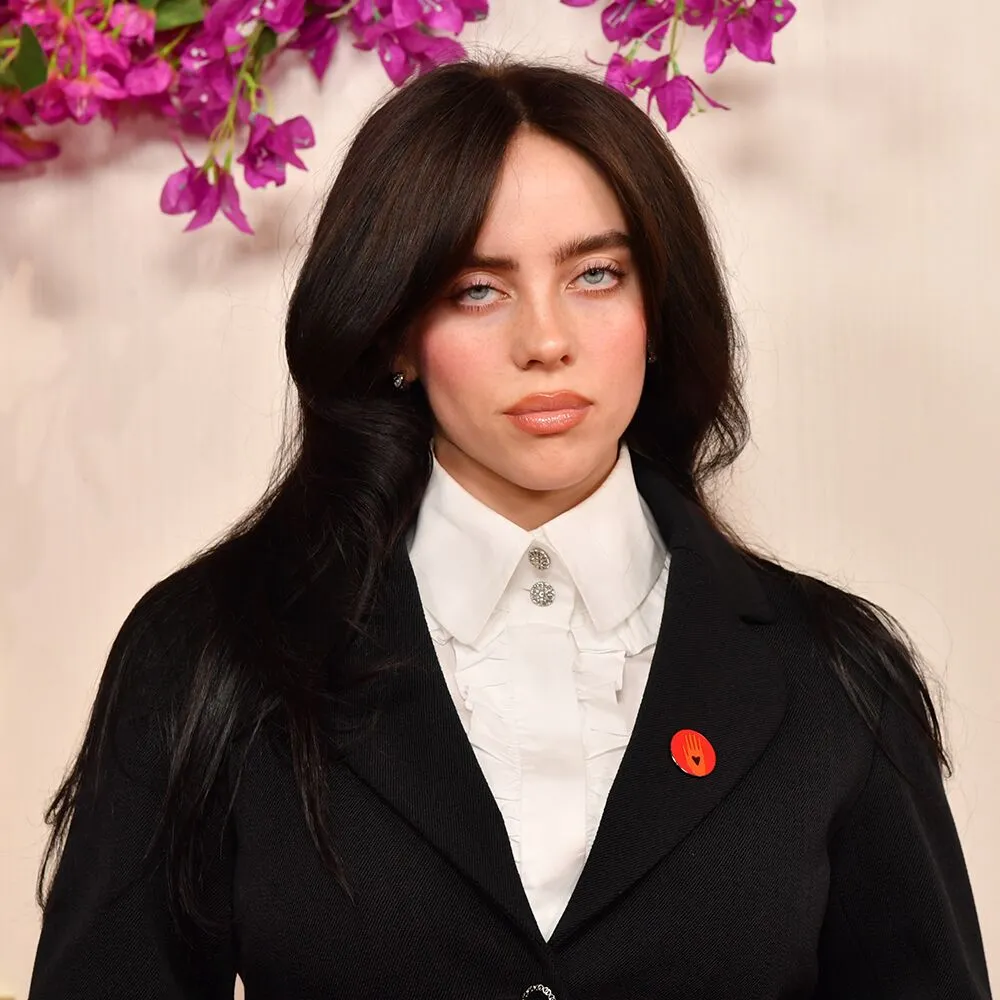
In my view, it’s the balance between creating structure and embracing freedom that makes this style special. With wolf cuts, whether your hair is fine, curly, or wavy, you don’t need salon-level styling daily. The design almost encourages that messy, “rolled-out-of-bed” effect, and with the right tools and habits, it becomes a routine that feels both natural and stylish.
How to Style Your Wolf Cut
When it comes to styling a wolf cut, the goal is all about enhancing the natural texture and shape of your hair. For those with curly or wavy locks, following your usual routine with a good anti-frizz step keeps curls hydrated and smooth. If your strands are straighter or fine, creating that textured look may need a few extra tools like a curling iron or texturizing spray to define the layers.
From my own experience, keeping a volumizing system in your wash routine helps. A hydrating shampoo and conditioner bring moisture, softness, and a light, airy feel that makes the cut look fresh every day. This kind of care cleanses the scalp without weighing it down and creates the right base for textured styles.
Adding a leave-in treatment before brushing makes the layers bouncy, full of movement, and easy to manage. A leave-in conditioner also detangles, moisturizes, adds shine, and protects against breakage and heat damage, keeping the finish smooth and ready without feeling heavy or greasy.
Hot tools can be a game-changer, but always apply a heat protectant before reaching for a blow dryer, flat iron, or curling wand. It’s a must to avoid long-term damage, especially since ends can be more noticeable in a wolf cut. This step keeps your layers looking healthy, helps repair the appearance of damaged strands, and leaves a silky finish while controlling frizz. For fine hair, a lightweight formula works best, while richer options nourish thicker textures, keeping the layered look sharp yet natural.
Personally, I love that the beauty of this cut lies in its minimal effort—a slight tousle, a bit of messy charm, and suddenly it feels styled to perfection without being overdone. That balance of casual and chic is what makes wolf cuts so special and manageable day-to-day.
❓ What exactly is a wolf cut hairstyle?
A wolf cut is a layered mash-up of the shag and mullet, giving a textured, tousled look with volume at the crown and length at the back. It’s bold, versatile, and works on straight, wavy, or curly hair.
❓ What face shape is the wolf cut for?
It suits oval, round, and heart-shaped faces best, while softer versions balance square features. The cut can be tailored by a stylist to fit any face shape.
❓ What is the difference between a wolf cut and a butterfly cut?
The wolf cut is edgy, choppy, and rocker-inspired, while the butterfly cut is softer with long, flowy layers for a feminine, bouncy effect.
❓ Which is better, wolf cut or layer cut?
The wolf cut is trendier and bold, while a layered cut is timeless and low-risk. The right choice depends on your personality and styling preferences.

