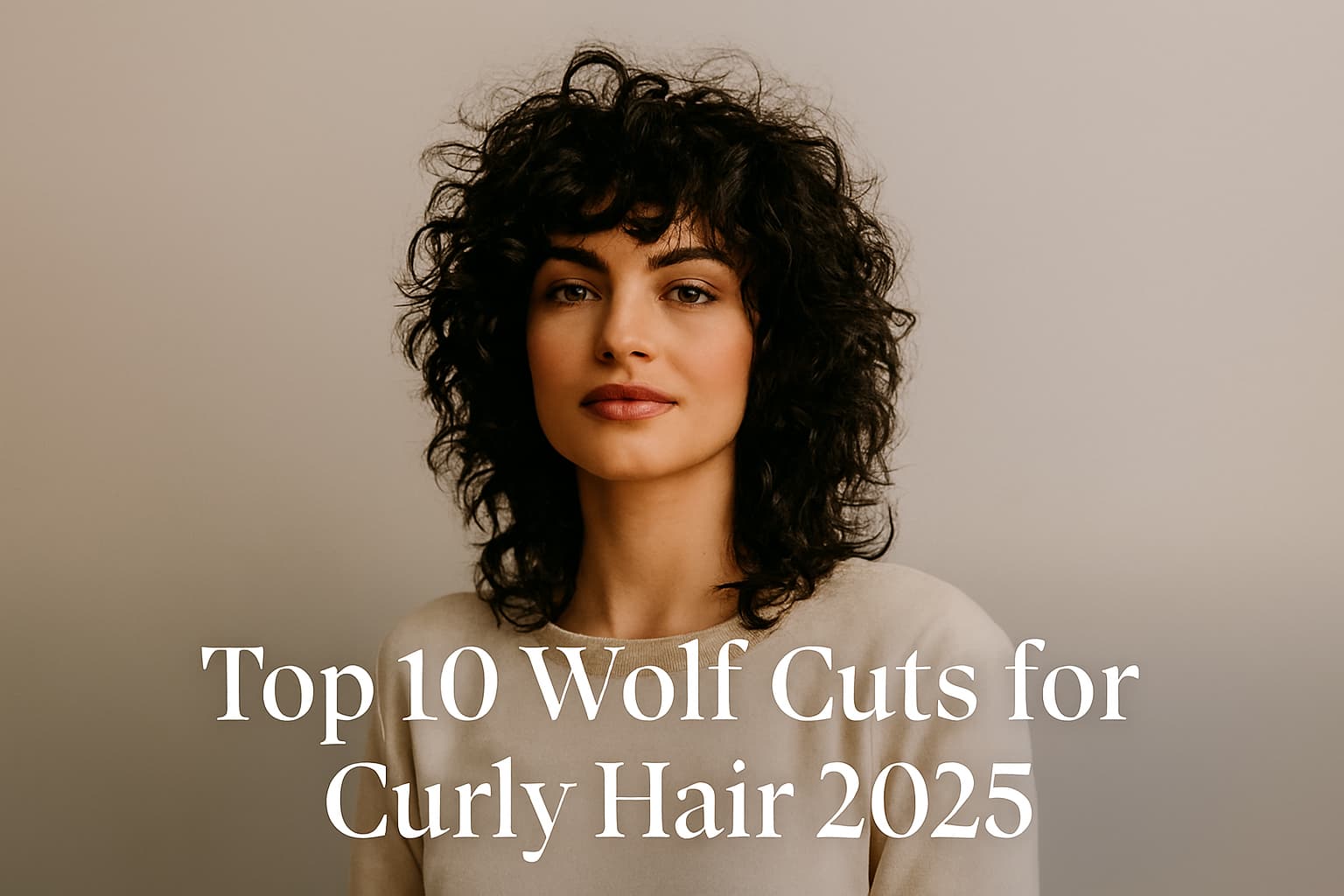


The word itself once conjured images of leather vests and arena rock, but the modern mullet has undergone a quiet, sophisticated metamorphosis. Gone is the severe disconnect; in its place is a whisper of rebellion, a gentle tapering that reads more “cool girl texture” than “business in the front.” This is the subtle mullet—a haircut for those who appreciate the architecture of a shag but crave the gentle, elongating line of longer lengths. It’s not about screaming for attention; it’s about catching the light in a new way. The beauty of this iteration lies in its restraint. The shortest layers are often hidden just beneath the surface at the crown, creating a secret volume that lifts the entire silhouette without revealing the technical prowess behind it. The result is a shape that moves with an insouciant sway, framing the neck and collarbone with an almost accidental grace. It’s the ultimate cut for the woman who dresses with ease and wants her hair to possess that same unbothered, yet meticulously considered, attitude. These sixteen variations prove that the subtle mullet is less a singular cut and more a philosophy of movement and texture.
1. The Whisper Fringe Mullet
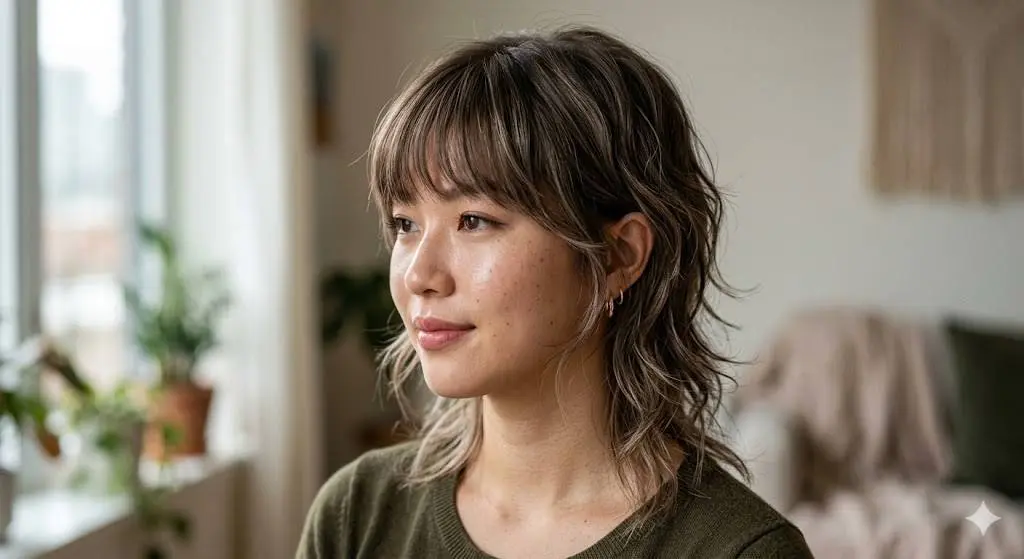
This style defines the subtle mullet category by obscuring the transition point entirely. The cut relies on a soft, eyelash-grazing fringe that blends seamlessly into face-framing layers, effectively masking the shift in length between the front and back. The crown maintains a gentle, lived-in volume achieved through strategic point-cutting rather than heavy undercutting, which prevents the back from appearing bulky or dated. The nape tapers into a soft, feathery “V” shape that whispers against the skin rather than falling in a heavy, blunt mass. It suits oval and heart-shaped faces beautifully because the fringe balances a wider forehead while the wispy ends elongate the jawline. This is trending precisely because it’s a secret weapon—it looks like long hair from the front and a playful shag only when you turn away. The texture should be air-dried and slightly piecey, refusing to be too precious or overly styled, which aligns perfectly with the current demand for low-maintenance, high-impact cuts. It embodies the cool-girl ethos of looking effortlessly undone.
2. The Blown-Out Curtain Shag
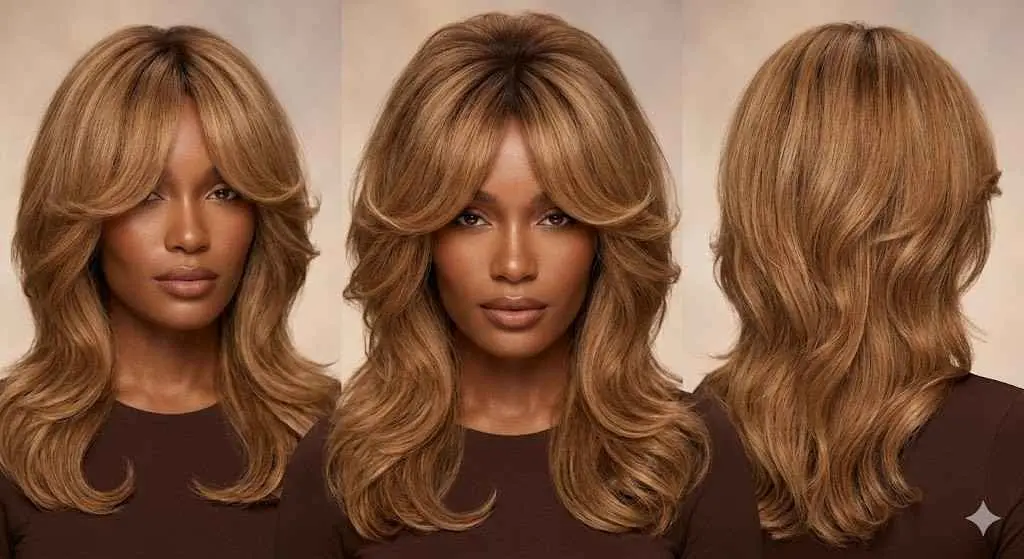
Here, the mullet silhouette is disguised within the voluminous architecture of a bouncy blowout. The foundational shape is a classic shag, but the bottom three inches of length are retained specifically at the center back to create that signature mullet tail. The cut features exaggerated curtain bangs that swoop heavily off the temples, opening up the cheekbones while the interior layers are sliced into for maximum expansion at the parietal ridge. This shape is ideal for round and square face shapes because the vertical lift at the crown and the diagonal forward movement of the layers visually slim the width of the face. The popularity of this look stems from its versatility; worn smooth with a round brush, it reads as polished and retro, yet when left to air dry, it collapses into a messy, indie-sleaze texture. The key to its subtlety is the blending—there is no harsh shelf at the occipital bone, only a gradual descent. It’s a masterclass in using internal weight removal to create external softness.
3. The Wolf Crop Hybrid
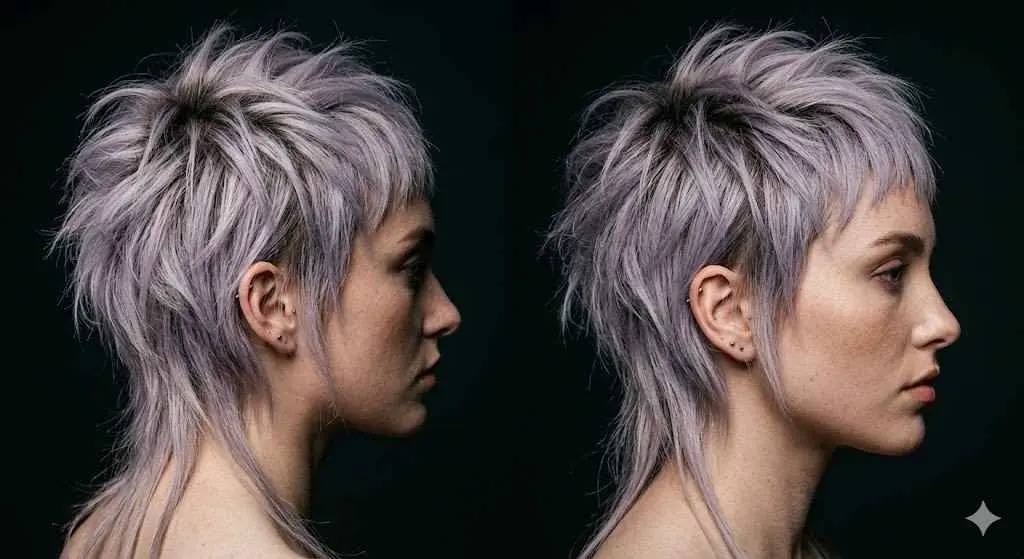
This iteration pushes the subtle mullet as short as it can go while still maintaining a discernible tail at the nape. The shape borrows heavily from the wolf cut, with heavily razored, choppy layers exploding outward from a condensed crown section. However, unlike a traditional wolf cut which often ends bluntly at the shoulders, this version leaves a few elongated, wispy strands grazing the top of the spine. The silhouette is aggressive in its texture but demure in its length, making it an ideal transitional cut for those growing out a pixie or a bob. It flatters diamond and oval faces by adding width at the temples and jawline where it might otherwise be lacking. The reason it resonates with the zeitgeist is its ability to look both futuristic and deeply nostalgic; it’s the hairstyle equivalent of a perfectly faded vintage band tee. The piecey, almost spiky ends require a strong texturizing paste to separate the layers and prevent the back from collapsing into a triangle shape.
4. The Sleek Liquid Tail
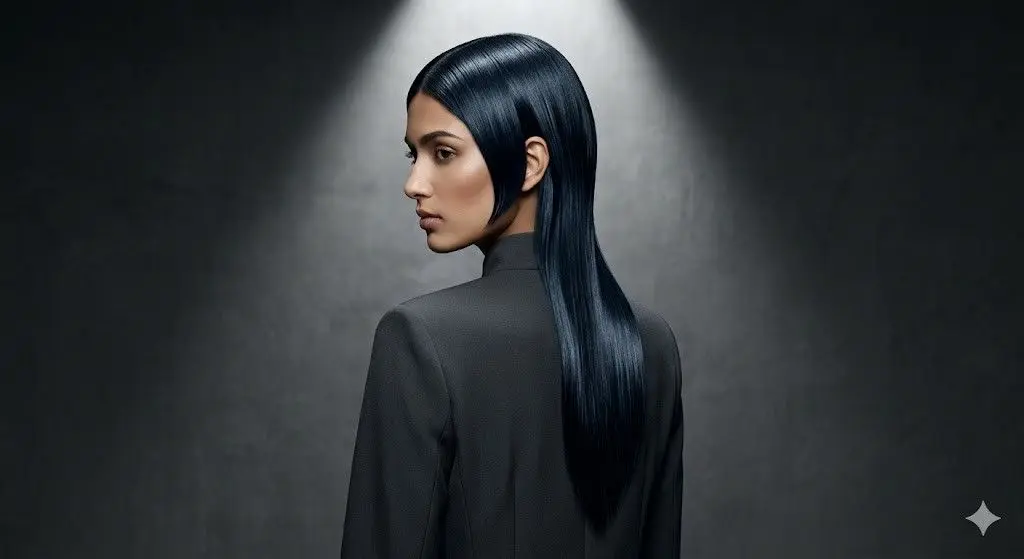
Defying the assumption that mullets must be messy, this version is all about high-shine, flat-ironed precision. The shape is cut with a straight razor to create a subtle graduation where the top layers are only an inch shorter than the bottom, forming a continuous, fluid line from crown to tail. There is no visible layering on the surface, only a hidden undercut of weight in the interior to allow the longer back to lie flat and swing like a pendulum. This style is particularly flattering on long and rectangular face shapes, as the slicked-back sides and the vertical drop of the back add necessary width and softness to the perimeter. It’s trending in high-fashion circles because it treats the mullet as a sculptural object rather than a haircut; the sharp, glossy ends reflect light in a way that reads as deliberate and luxurious. The key to pulling this off is a glass-like finish achieved with a smoothing iron and a lightweight hair oil that never veers into greasy territory.
5. The Curly Coily Cascade
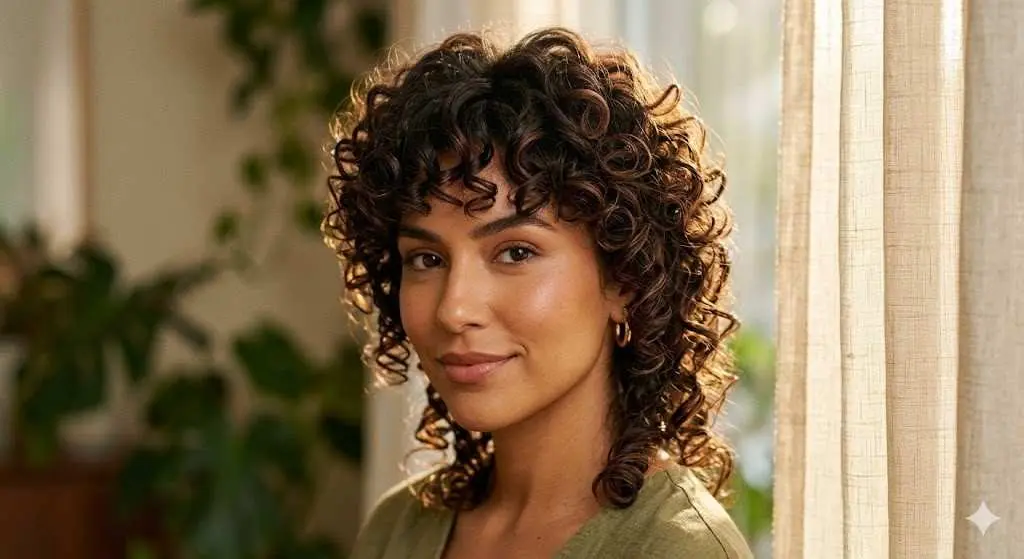
This variation celebrates the natural volume and spring of type 3 curls within a subtle mullet framework. The cut is technically a heavily layered shag that has been stretched at the nape, allowing a few ringlets to dangle freely against the neck while the crown is shaped into a rounded, voluminous cloud. The stylist must cut curl by curl to ensure the back tail doesn’t become too heavy and drag the silhouette downward. This shape is a gift for square and heart-shaped faces, as the mass of curls at the top balances a strong jawline while the wispy neck tendrils soften the overall look. Its rise in popularity is directly tied to the natural hair movement and a desire to see textured hair in edgy, unconventional shapes rather than uniform bobs. The subtlety lies in the length difference; it’s only about two inches of variation, but those two inches create a completely different profile and prevent the dreaded “pyramid head” effect often associated with curly cuts.
6. The Micro Bang Rebellion
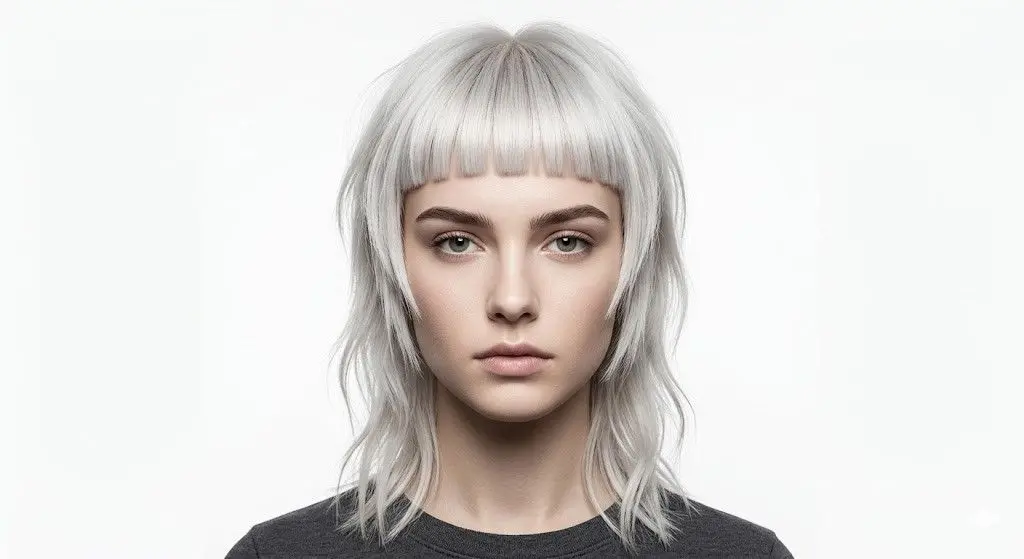
This look leans further into the “cool girl” territory by pairing the subtle mullet with an abrupt, ultra-short micro fringe. The fringe sits high on the forehead, exposing the brows completely, which creates a striking contrast against the elongated, feathered layers that brush the shoulders. The internal structure relies on heavy point-cutting to ensure the transition from the micro fringe into the longer sides is seamless and not blocky. This shape is exceptionally flattering for oval faces with delicate features, as the high fringe opens up the center of the face and draws all attention to the eyes and bone structure. It’s a trending statement piece for those who find the traditional mullet too passive; the micro fringe adds an element of graphic, editorial sharpness that elevates the entire haircut. The texture should be kept relatively raw and matte, allowing the stark geometry of the fringe to be the focal point against the soft, worn-in waves of the longer back section.
7. The Grown-Out Pixie Mullet
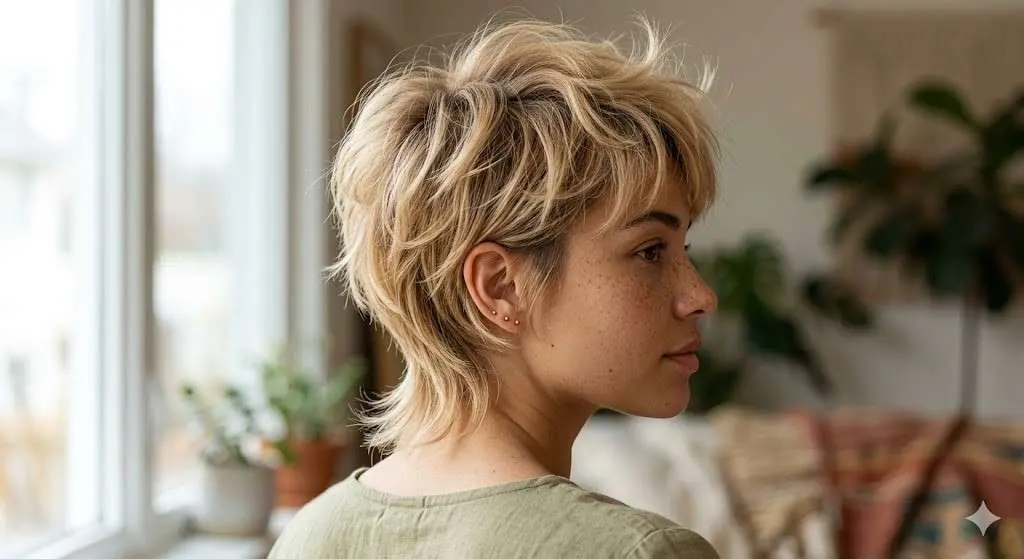
This is the ultimate stealth cut for anyone terrified of the word “mullet.” It presents almost exactly like a long, textured pixie cut from the front, with short, piecey layers dusting the ears and sideburns. The reveal happens only in profile or from behind, where the nape is allowed to grow long enough to tickle the collar of a shirt. The cut is defined by its lack of weight; the crown is heavily layered to stand up and away from the head, while the back is wispy and broken up rather than dense. It is universally flattering but particularly kind to heart-shaped faces by adding the illusion of width at a narrower jawline. The reason this style is everywhere right now is the low barrier to entry—it’s simply the chicest possible way to grow out a short haircut without looking like you’re in an awkward phase. It requires zero styling beyond a quick fluff of the fingers and maybe a dab of pomade on the ends to keep them from curling inward.
8. The Birkin Bang Blender
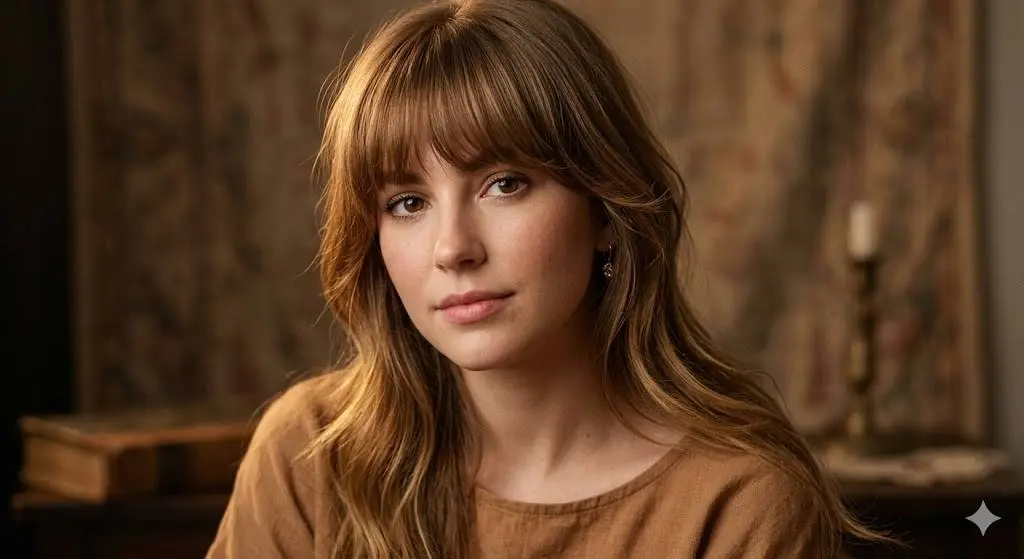
Named for the effortless ease of a certain French icon, this style uses a heavy, full brow-skimming fringe to anchor the front while the rest of the hair dissolves into a gentle, shoulder-grazing mullet. The bangs are cut with a slight arch to follow the brow bone, which softens the eye area and makes the entire cut feel more romantic and less rock-and-roll. The layers are long and connected throughout, meaning the difference in length between the front and back is minimal—just enough to create a subtle “U” shape in the back rather than a severe “V.” This cut is a dream for those with oblong or oval faces seeking to add softness and reduce the appearance of a long forehead. It is trending because it captures the zeitgeist of “stealth wealth” hair; it looks expensive, natural, and as though it hasn’t been cut in months, despite the very intentional shaping taking place underneath.
9. The Asymmetric Edge Cut
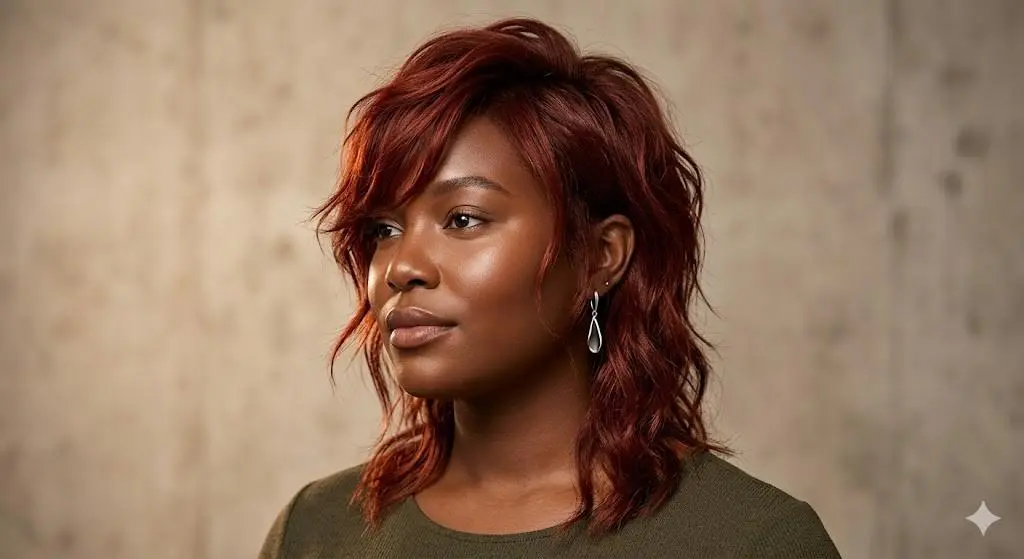
This version introduces a slight imbalance to the shape, with one side of the front being cut an inch shorter than the other to create a modern, angled frame. The mullet in the back remains soft and centered, but the asymmetry in the front fringe and face-framing pieces adds a dynamic, three-dimensional quality to the silhouette. The crown volume is concentrated on the heavier side to maintain equilibrium in the shape. It is particularly effective for round face shapes, as the diagonal line created by the asymmetry cuts through the softness of the cheeks and creates a sharper, more sculpted profile. The appeal of this cut lies in its customization; it feels bespoke and personal. The subtle mullet shape in the back ensures that even with the asymmetry in the front, the overall look remains cohesive and wearable, never venturing into the territory of a dramatic undercut or disconnected bob.
10. The Beach Wave Dusting
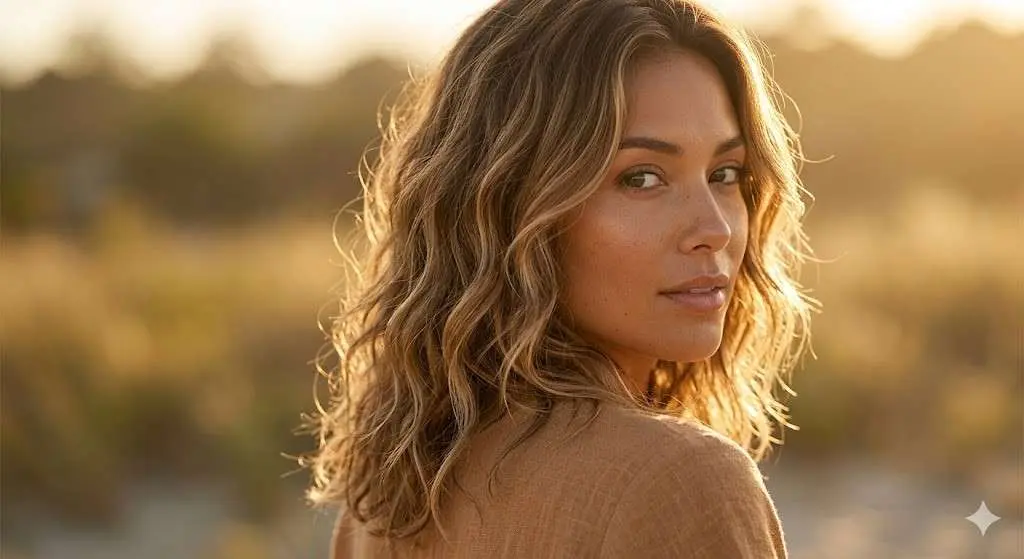
This variation relies almost entirely on styling and texture to communicate the mullet shape rather than a severe cut. The hair is all one length at the perimeter, but the interior is “dust layered”—a technique where the shears barely snip into the mid-shafts to create movement without visible steps. When worn straight, it appears to be a long bob. When styled with a salt spray and scrunched into loose, tousled waves, the invisible layers spring to life, revealing a subtle shortness at the crown and a longer, piecey tail that clings to the neck. It’s ideal for those with fine hair density, as the dusting prevents the back from looking scraggly while still giving the illusion of the mullet shape. Its popularity is due to its chameleon-like nature; it is the safest way to test drive the trend, offering two distinct looks in one haircut based purely on whether you reach for a round brush or a diffuser.
11. The Feathered Flip Revival
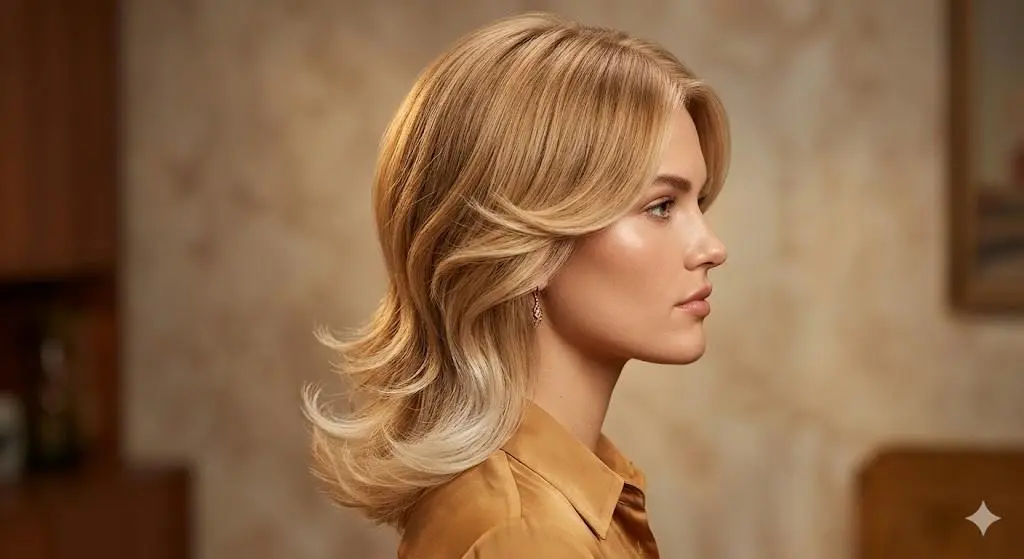
Channeling the softness of late seventies hair but without the dated wings, this cut features heavily feathered sides that curve gently toward the cheekbone and then flip away at the very ends. The back of the head is layered to sit close to the skull, with the bottom few inches retained and encouraged to flick outward in a soft, diffused wave. This creates a beautiful, S-curved silhouette that is reminiscent of a Farrah Fawcett shag but with a more modern, grounded length at the nape. This shape is incredibly forgiving for those with a strong jawline or square face, as the feathered sides wrap around the bone structure and the outward flip draws the eye down and away from the corners of the face. It’s a romantic, almost angelic take on the mullet that feels fresh precisely because it rejects the grunge and leans fully into glossy, healthy, bouncy hair.
12. The Copper Penny Shimmer
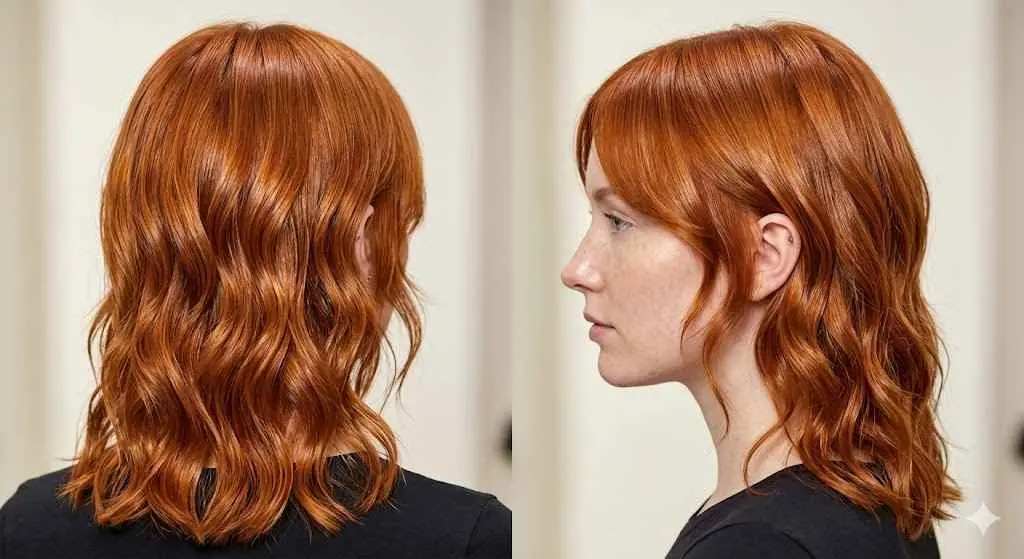
While not defined by a specific cut name, this style emphasizes how a monochromatic, vibrant color can unify and soften a subtle mullet. The cut itself is a straightforward blend of long shag layers with a slightly extended nape, but the use of a rich, all-over copper hue creates an optical illusion. The warm, glowing tones catch the light on every single textured end, blurring the lines between the shorter crown layers and the longer back tail. This visual cohesion is what makes the mullet feel “subtle”—the eye doesn’t register the length difference because it’s dazzled by the uniform color reflection. It works beautifully on warm skin tones and adds a palpable sense of dimension to wavy or curly textures. The trend factor here is undeniable; it’s the marriage of a bold, fashion-forward color choice with a low-commitment, soft shape, proving that a mullet can be both edgy and luxuriously polished.
13. The Dark Brunette Depth Charge
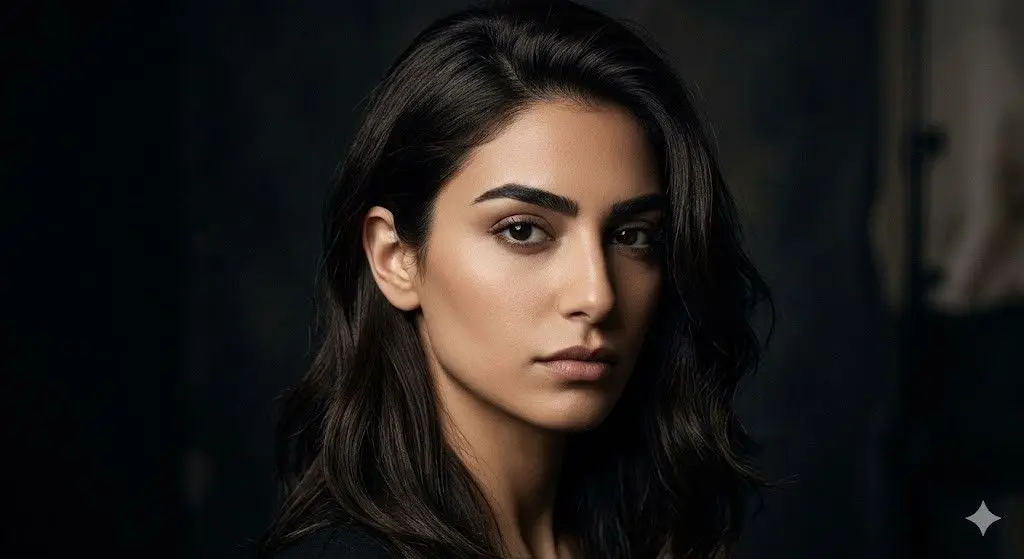
This variation relies on the opposite of copper—a deep, espresso brunette with subtle shadow roots—to camouflage the mullet’s inner workings. On darker hair, especially when worn smooth or with a slight bend, the layers absorb light rather than reflect it. This creates a solid, heavy-looking exterior that belies the lightweight, airy structure of the interior cut. The mullet tail in the back blends into the darkness, only revealing itself when the hair moves and separates. This is the most corporate-friendly of all the subtle mullets; it reads as a simple, elegant mid-length cut in a boardroom setting. It is particularly flattering for those with high-contrast features (dark hair, light eyes) and oval face shapes. The trend is rooted in “quiet luxury”—it’s a haircut for insiders who appreciate the feel of the air on their neck without needing the world to know they have a mullet.
14. The Tousled Honey Blonde
Here, the mullet shape is highlighted with strategic, sun-kissed ribbons of blonde that mimic the work of a summer spent outdoors. The cut is a soft, grown-out shag with a defined “V” shape in the back, but the placement of the highlights is key. The lighter pieces are concentrated on the top layer and the very tips of the nape tail, effectively drawing a visual roadmap of the mullet shape without using a stark line of demarcation. The root smudge keeps the look low-maintenance and soft. This color-and-cut combination is a powerhouse for adding width and texture to narrow or long face shapes. It is perpetually trending because it encapsulates the California-cool aesthetic; it’s the hair equivalent of worn-in denim and a white t-shirt. The subtlety is in the grow-out; as the highlights soften, the mullet shape becomes even more diffused and natural-looking.
15. The E-Girl Soft Tail

This cut takes the choppy, face-framing “E-Girl” front pieces—you know, the two thick strips of hair cut around the chin—and merges them into a gentle, layered mullet. Instead of stopping abruptly at the jaw, those front pieces are graduated downward, connecting to the collarbone and eventually dissolving into the longer, wispy back. The crown is kept relatively flat and un-layered to emphasize the swing and movement of the face-framing section. This shape is a perfect antidote for those with rounder cheeks, as the two distinct pieces create a vertical, slimming line right down the sides of the face. The reason this specific variation is gaining traction is its association with digital culture and a more playful, youthful approach to hair. It retains the cool factor of the online aesthetic but softens it with a more mature, blended shape in the rear.
16. The Sculptural Wet Look
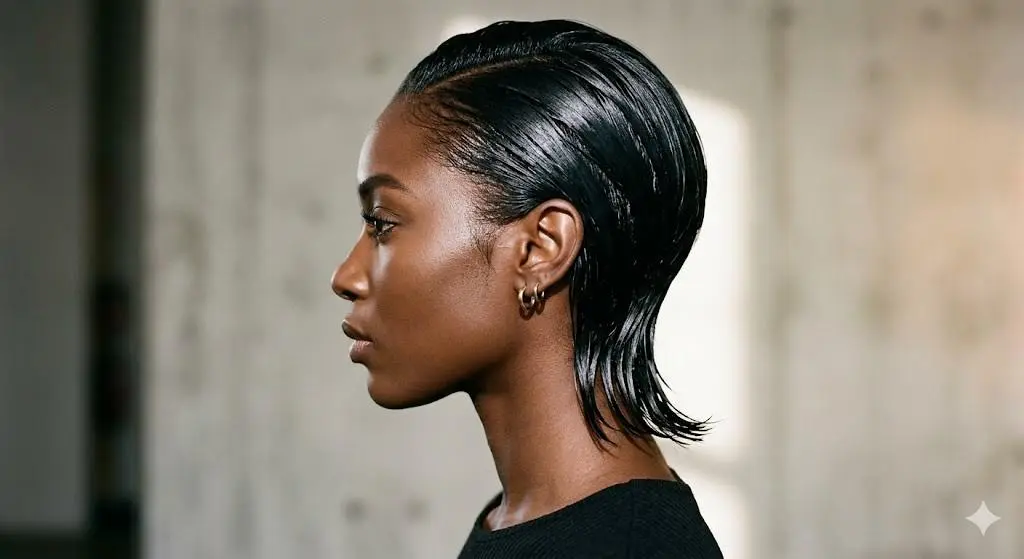
This final iteration is not about the cut itself but the finish. It takes a classic subtle mullet (short layers around the crown, longer wispy nape) and coats it in a high-shine, wet-look gel or pomade. The product compresses the volume and forces the layers to cling together in sculptural, piecey strands. This removes all the fluffy, airy quality of the mullet and replaces it with something sleek, urban, and slightly dangerous. The shape of the mullet is actually more visible this way; the slicked-back top exposes the ears and the elongation of the back becomes a stark, graphic line down the spine. This is a high-fashion, editorial look that works best on oval or diamond face shapes with strong bone structure. It’s the ultimate evening version of the subtle mullet, proving that this cut is not just for the beach or the bedhead; it can be transformed into high art with a simple change of texture.
From the whisper fringe to the sculptural wet finish, the subtle mullet is redefining what it means to have an edge. It’s a cut that doesn’t rely on shock value but rather on the quiet confidence of an unexpected silhouette. The beauty of this trend lies in its vast adaptability—there is a version of this shape for every texture, every face, and every personal style threshold. It is a haircut designed for movement, for catching the breeze, and for the woman who understands that the most captivating details are often the ones you have to look twice to see.