


The Textured Rebellion
The wolf cut has cemented itself as the definitive anti-establishment silhouette of the modern era. Neither a mullet nor a traditional shag, this hybrid cut thrives on a precise imbalance: a heavily layered, rounded crown that explodes with volume before tapering aggressively into a wispy, thinned-out neckline. It is the sartorial equivalent of controlled chaos. The allure lies in its refusal to be tamed; it rejects the polished blowout in favor of air-dried grit and natural movement. Stylists note that the demand persists because the cut functions as a shape-shifter. It can be cropped close to the chin for a punk sensibility or left to graze the collarbone for a softer, more romantic dishevelment. This list delves into the nuanced iterations of the wolf cut, moving beyond the basic chop to explore the textural variations, fringe pairings, and volume strategies that keep this trend in a constant state of evolution. Whether your bone structure calls for softening or sharpening, there exists a version of this wild, layered shape that feels meticulously undone.
1. The Classic Shag-Wolf Hybrid
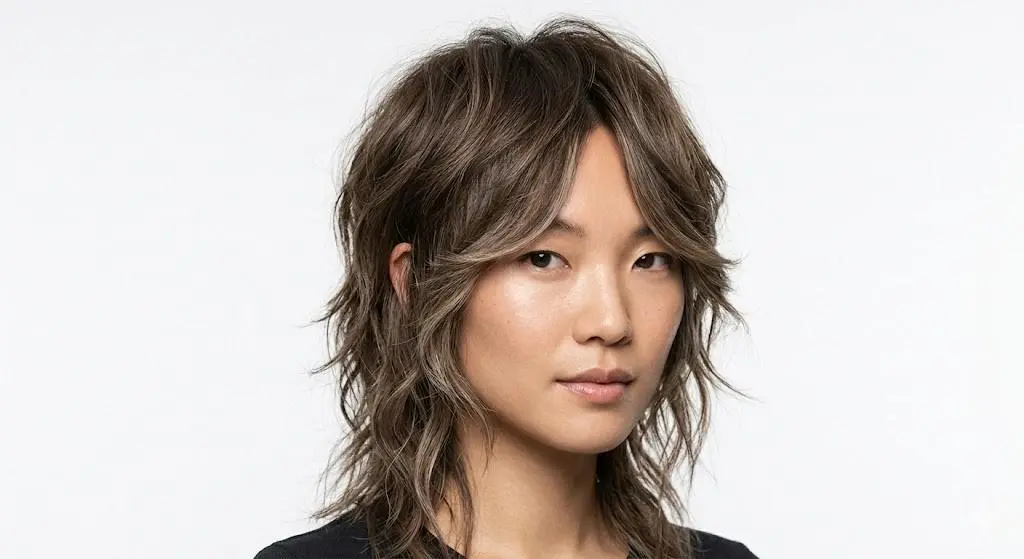
This is the blueprint from which all other wolf cuts are born. It features a distinct disconnection between the crown and the ends, with short, choppy layers erupting from the apex of the head to create substantial roundness and lift. The weight line is removed entirely from the perimeter, allowing the mid-lengths and ends to collapse into a feathered, almost skeletal cascade that hugs the neck rather than sitting heavily on the shoulders. It’s an ideal choice for those with round or square face shapes, as the vertical volume at the crown visually elongates the silhouette while the thinned-out sides prevent any unwanted width at the jaw. The texture here is neither sleek nor wildly curly; it thrives in that liminal space of lived-in wave and subtle bend. The trend persists because this specific balance of heavy top layers and light bottom layers offers the most dramatic transformation with the least amount of daily effort—it looks better on day two or three than it does fresh from the salon chair.
2. Curly Volume Wolf Cut
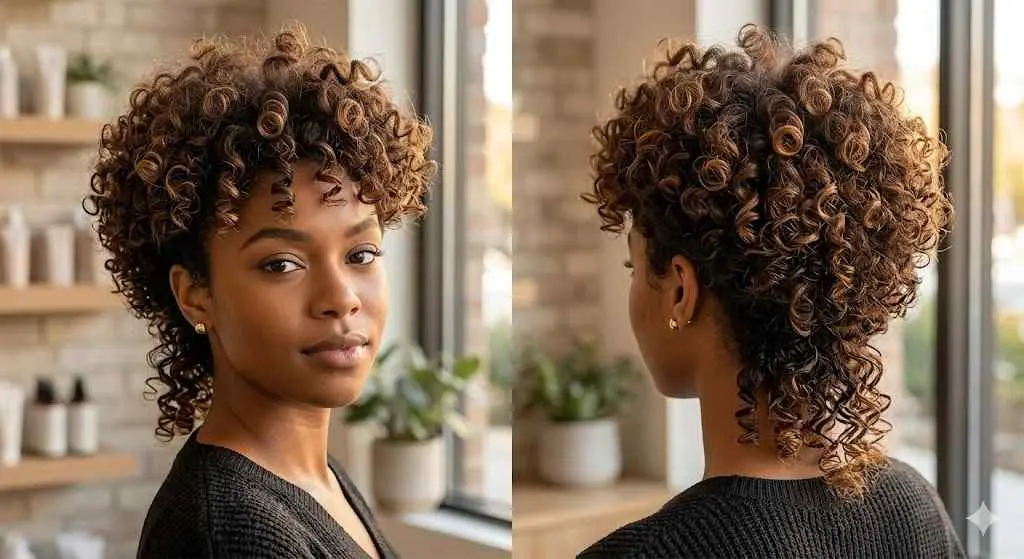
This iteration fully embraces the natural spring and density of textured hair, transforming the wolf cut’s standard layering into a glorious, spherical cloud. The technique requires a dry-cutting approach where the stylist carves into the curl clumps rather than using blunt shears, ensuring the layers stack without creating harsh, shelf-like ledges. The result is a silhouette defined by a massive, rounded halo of volume at the crown that gradually diffuses into a tapered, narrower tail of ringlets at the nape. This cut is a revelation for oval and heart-shaped faces, as the width created by the curls at the cheekbone level provides an exquisite natural contour and balances a narrower chin. The visible wave pattern is paramount, with the shape engineered to encourage curls to spiral upward and outward rather than downward. This style trends heavily within natural hair communities because it solves the eternal dilemma of the “triangle shape”—it removes the heavy bulk at the bottom that drags curls flat while preserving the glorious, unapologetic volume on top.
3. The Micro Mini Wolf
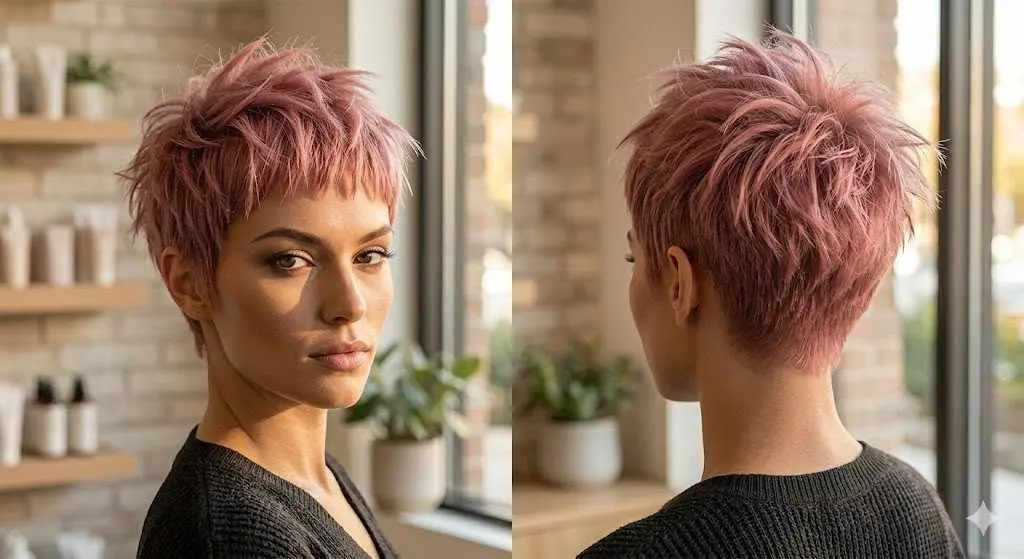
Defiantly short and cropping high above the jawline, the Micro Mini Wolf is the edgiest member of the family. It retains the essential DNA of the cut—aggressive internal layering and a tapered nape—but the overall length is condensed to the ear or cheekbone. The back is often sliced close to the skin, almost pixie-like, while the crown and fringe area are left longer and heavily texturized to allow for a messy, sky-high lift. This style is exceptionally flattering on those with prominent cheekbones and diamond face shapes, as the cropped sides expose the bone structure while the top volume adds necessary width to a narrow forehead. It’s a look that demands a certain amount of styling courage but rewards with an androgynous, effortlessly cool demeanor. Its trending status is fueled by a desire for low-maintenance, high-impact hair that rejects the softness of a traditional bob in favor of a razor-sharp, undone attitude.
4. Curtain Bangs Wolf Cut
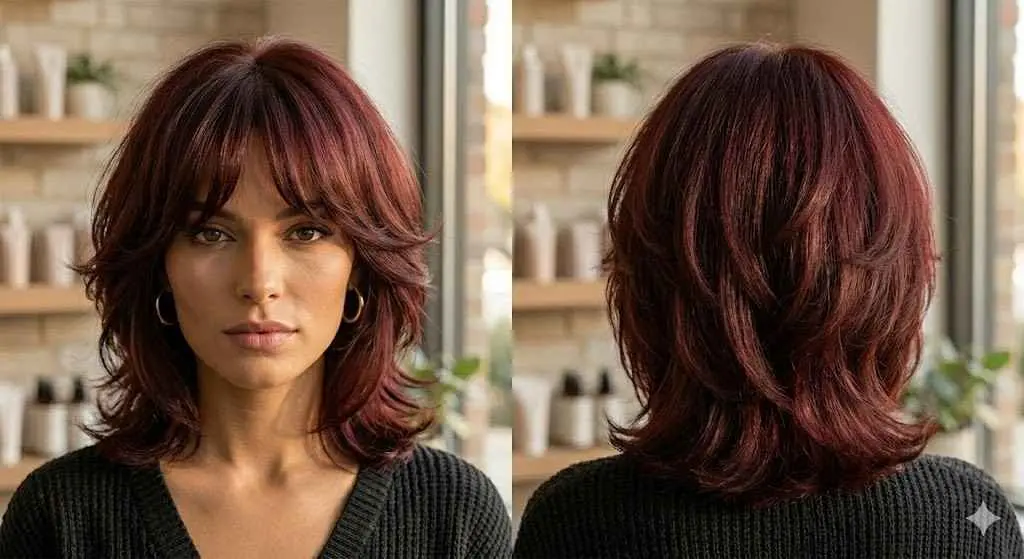
Here, the free-spirited chaos of the wolf cut is tempered by the soft, face-framing allure of ’70s curtain bangs. The fringe is cut to part effortlessly in the center or slightly off-kilter, sweeping across the brows and blending invisibly into the heavy layers at the cheekbone. This modification creates a continuous curtain of movement that slims the face and draws all attention directly to the eyes. It is arguably the most universally flattering version of the wolf cut, as the diagonal lines of the fringe soften a strong, square jawline while the layered body of the cut adds width to a long, oblong face. The texture is typically kept softer than a classic wolf, with more emphasis on bend and flick rather than razored spikes. It remains a steadfast favorite because it provides the volume and edge of a wolf cut but allows the wearer to retain a sense of polished, romantic mystery—a nod to vintage glamour wrapped in a modern shag.
5. Razored Mullet Wolf
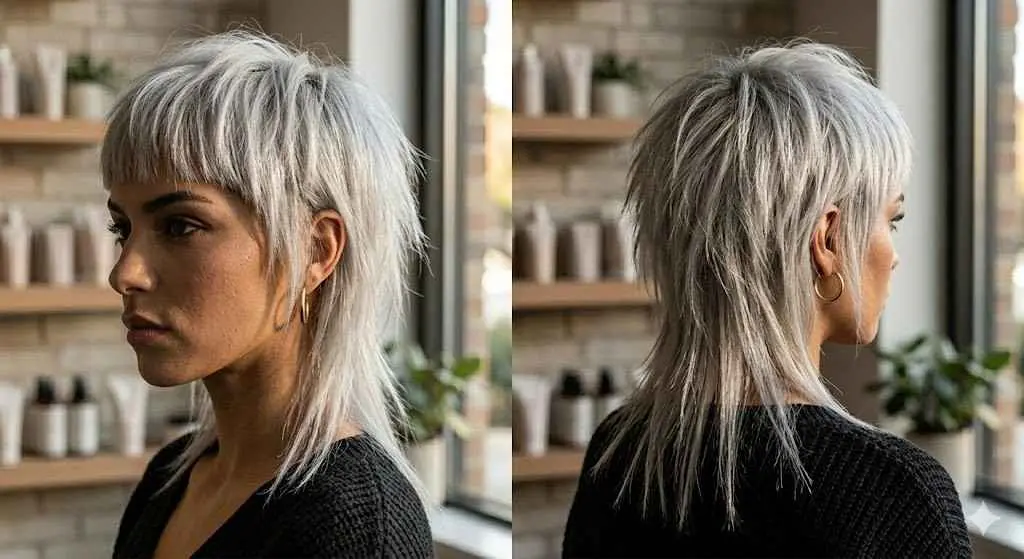
This cut leans hard into the mullet ancestry of the wolf cut, erasing any remaining softness with the aggressive use of a straight razor. The layers are not just cut; they are sliced into the hair shaft at a steep angle, creating extreme separation, jagged edges, and an almost spiky, separated finish. The business in the front is a heavy, weighty fringe (often blunt or micro) that sits in stark contrast to the severe, wispy party in the back. It’s a cut that thrives on a grungy, slept-in aesthetic and works remarkably well on those with fine hair density, as the razor work creates the illusion of vastly more bulk and piecey definition. It suits oval and heart-shaped faces best, as the front weight balances the lower half while the length in the back adds a rebellious, fluid tail. This version trends among the fashion-forward set precisely because it rejects prettiness in favor of texture; it’s a tactile, deliberately messy cut that photographs like editorial art.
6. Wavy Blunt-End Wolf
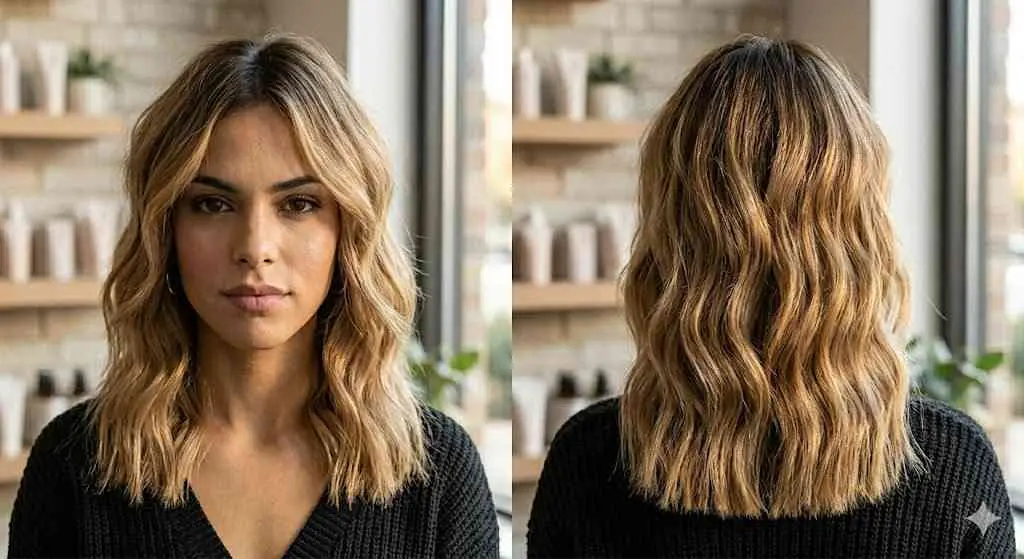
This style introduces a subtle but crucial structural deviation: the ends of the layers are kept blunter and heavier than a traditional feathered wolf cut. While the crown still receives significant elevation through short internal layers, the perimeter line is left with more density and a soft, U-shaped weight line. This adjustment makes the cut behave better on wavy hair that tends to frizz or poof when over-texturized. The visible wave pattern is supported by the heavier ends, which weigh the curl down just enough to create a smooth, glossy S-shape rather than a chaotic spiral. It’s a superb choice for square face shapes, as the extra width and weight at the collarbone level can soften a strong mandible angle. The look is trending as a “grown-up wolf cut”—it retains the soul and volume of the original but offers a more polished, professional appearance suitable for those who want edge without the wild, thinned-out scraggliness.
7. The High-Contrast Undercut Wolf
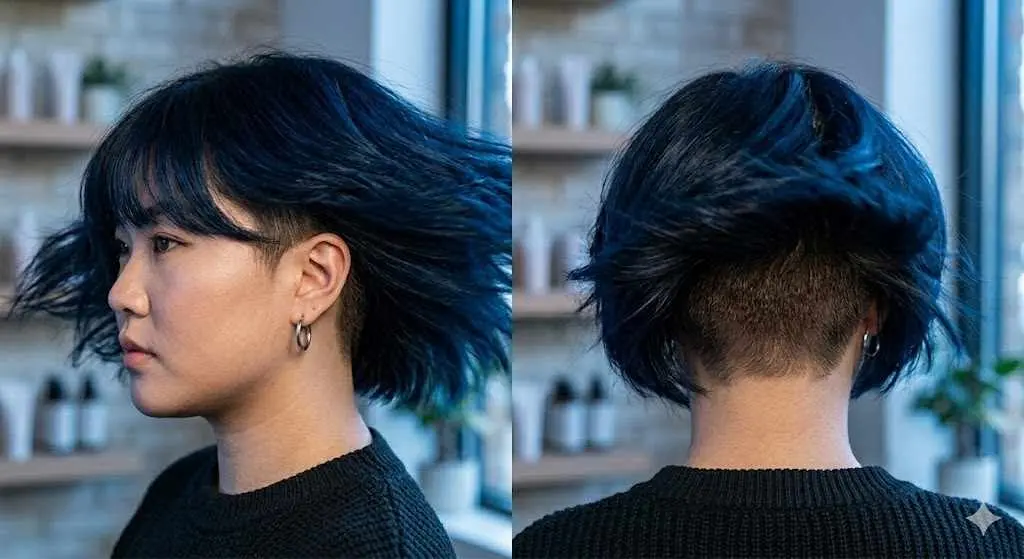
This version introduces a hidden (or partially exposed) shave beneath the heavy canopy of the wolf cut. The hair on the sides and back, from the occipital bone down to the nape, is buzzed short, creating a dramatic thermal and visual release that makes the top layers appear even more voluminous by comparison. When the hair is worn down, the cut looks like a dense, rounded shag; when pulled up or tucked behind an ear, the stark contrast of the shaved section is revealed. This juxtaposition of heavy texture and bare skin is incredibly flattering for round face shapes, as the shaved sides remove the bulk that can add width to the cheeks while the top volume elongates. It’s a high-maintenance cut in terms of upkeep but a low-maintenance style for daily wear. It trends due to its sheer versatility and secret rebellion—a professional look on the surface with a punk-rock skeleton underneath.
8. The Long Length Wolf
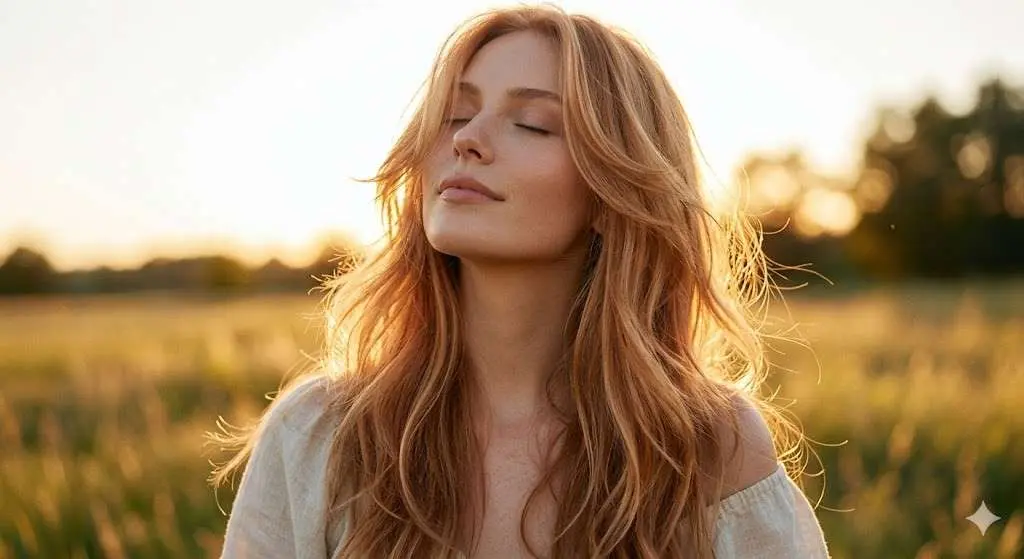
Stretching the wolf cut beyond the collarbone and down toward the mid-back, this iteration proves that edge does not require a short crop. The layering remains aggressive around the crown and face but extends downward in a long, gradual feathering rather than a short, choppy taper. The result is a mane of hair that has immense movement and a windswept appearance without sacrificing the security of length. It is an excellent option for those with oblong or long face shapes who feel too exposed by a short cut; the length anchors the face while the layers around the temples and cheeks provide crucial horizontal width and softness. This style is trending because it offers a low-commitment entry point into the wolf cut trend. It provides the texture and shape of a shag without the shock of losing significant length, appealing to those who love the look of a wolf but fear the drastic shortness of the nape.
9. The Side-Parted Sweep
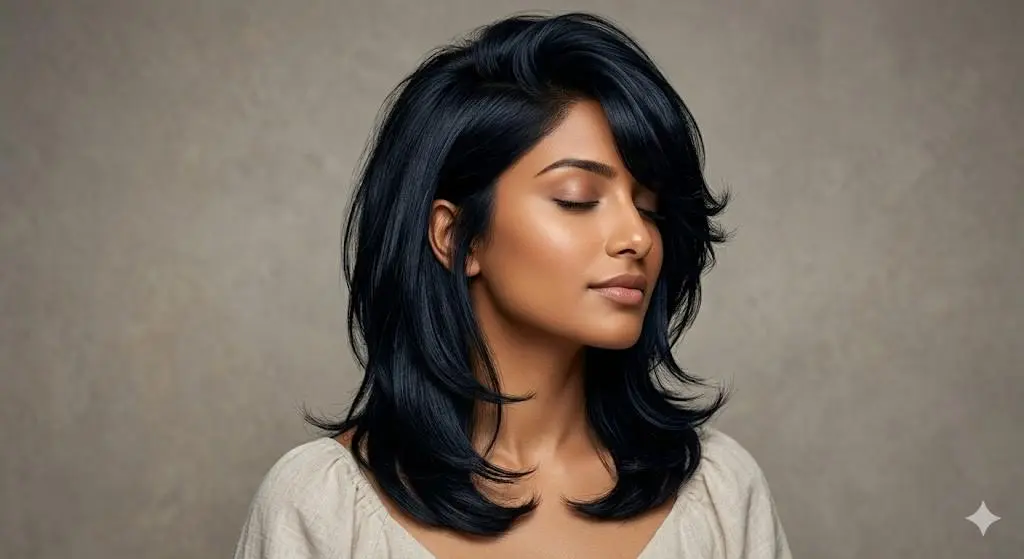
Eschewing the modern center part for a deep, dramatic side sweep changes the entire dynamic of the wolf cut. By flipping the weight of the layers entirely to one side, the cut gains a sense of asymmetrical drama and retro allure reminiscent of the ’80s power shag but with a softer, modern finish. The crown layers are directed to sweep across the forehead and away from the face, creating a swooping, voluminous wave that opens up the eye area on the heavier side. This styling approach is particularly strategic for heart-shaped faces, as the diagonal line of the fringe breaks up the width of the forehead while the sweeping layers cover the narrower temple area. It’s a trend born from the red carpet, where stylists use the deep side part to add instant Hollywood glamour and root lift to even the most stubbornly flat hair types.
10. Copper Penny Shag Wolf
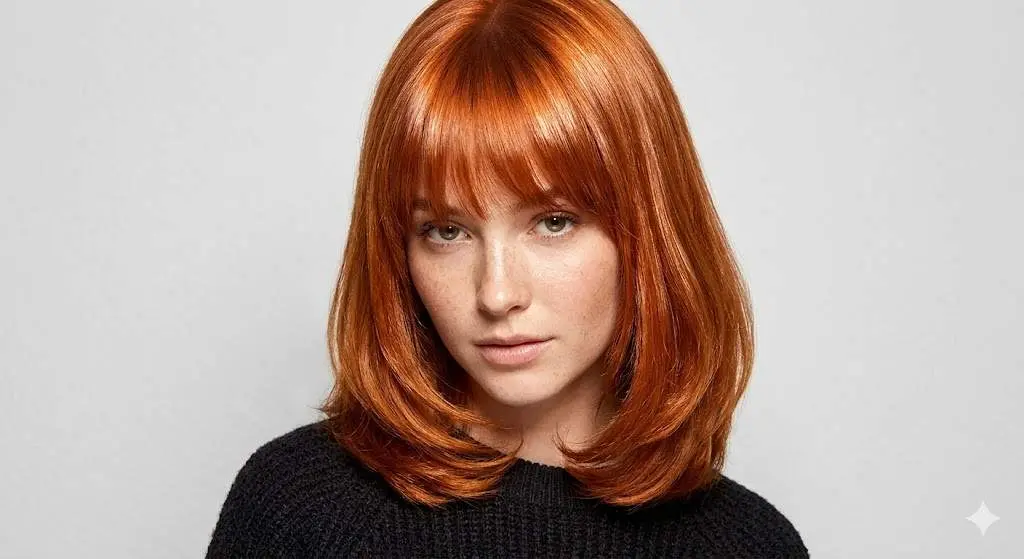
While this description focuses on the color integration, the cut is specific: a mid-length wolf cut engineered to showcase a rich, monochromatic copper tone. The layering is cut with a slightly softer hand than a classic wolf, utilizing slide-cutting techniques that encourage the layers to blend and melt into one another rather than stand apart. This creates a seamless, liquid-metal effect where the copper hue shifts and shines across the rounded layers. The color adds an extra dimension of warmth, making it an ideal choice for those with cool or pale skin tones and oval face shapes, as the warm halo reflects light beautifully against the complexion. The trend of pairing vibrant, solid color with this specific cut structure is driven by the fact that the wolf’s layers are the perfect canvas for showing off light refraction. The choppy movement prevents the solid color from looking flat or dull.
11. The Jet-Black Spike
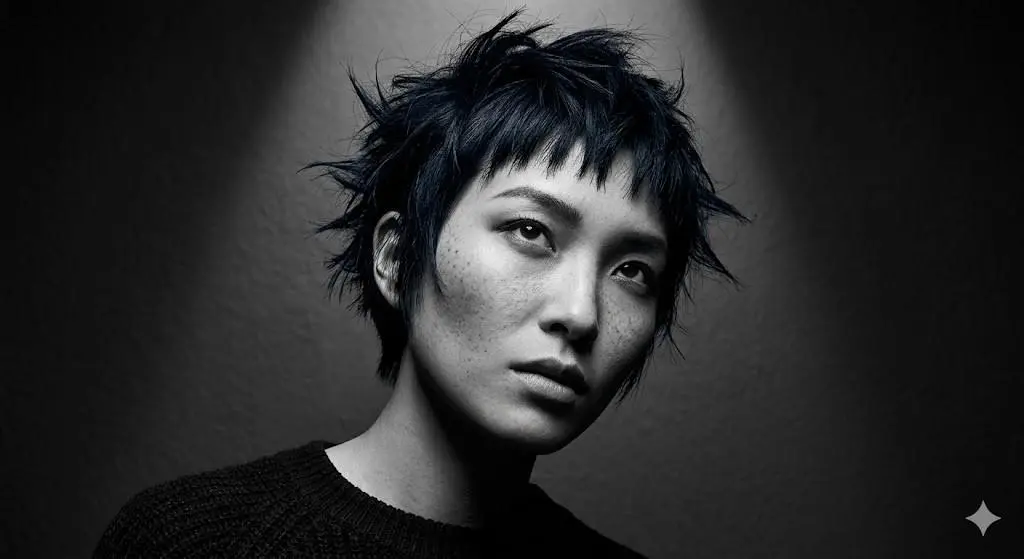
This is the wolf cut stripped of all softness and dipped in noir. The layers are cut short, choppy, and with a steep elevation, specifically designed to be styled upward and outward with a matte pomade or texturizing powder. The color—a deep, inky, blue-black—adds a graphic, two-dimensional quality that emphasizes the jagged silhouette against the skin. It is the definitive choice for those with oval or diamond face shapes who want to lean fully into an edgy, editorial aesthetic. The texture is crucial; it is not about volume but about separation and definition of each individual spiked lock. This style is trending because it represents a bold rejection of natural, effortless beauty in favor of a more deliberate, punk-influenced, and highly stylized statement. It’s hair as a costume piece, and the wolf cut provides the perfect architectural scaffolding for it.
12. Bottleneck Bang Wolf
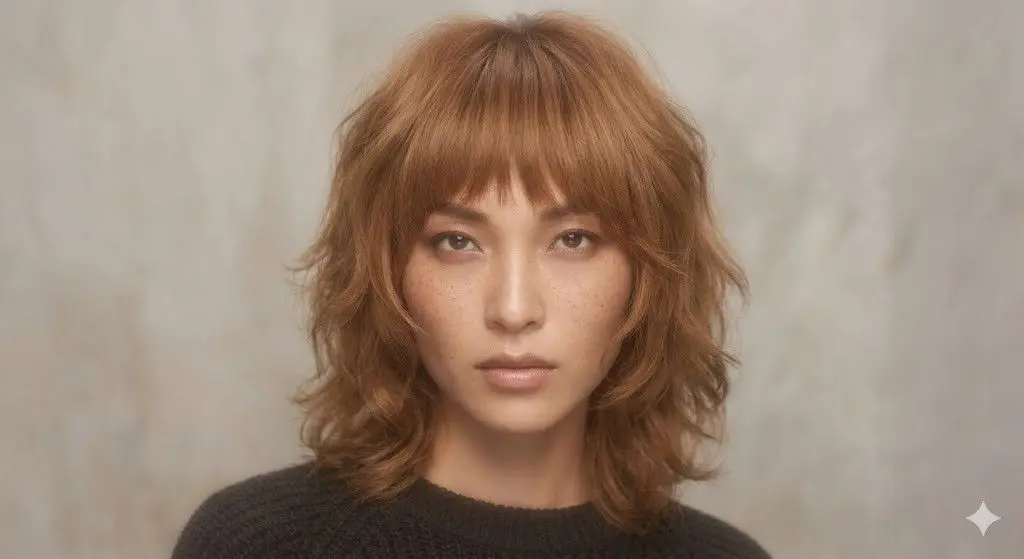
This nuanced fringe technique pairs exquisitely with the disheveled layers of the wolf cut. The bottleneck bang is a specific shape: it is shorter and heavier in the very center of the forehead (the “neck” of the bottle) and then gradually tapers longer and wispier as it curves down toward the cheekbones (the “body” of the bottle). When merged with the top-heavy layers of the wolf cut, this fringe creates a continuous, flattering frame that hugs the cheekbones and jawline without any harsh, horizontal lines. It is a masterstroke for those with square or heart-shaped faces, as it literally contours the bone structure with hair. The trending appeal lies in its ability to offer the face-framing benefits of a curtain bang while providing more coverage and styling flexibility in the center of the forehead—a softer, more intricate alternative to the blunt fringe.
13. The Effortless French-Girl Wolf
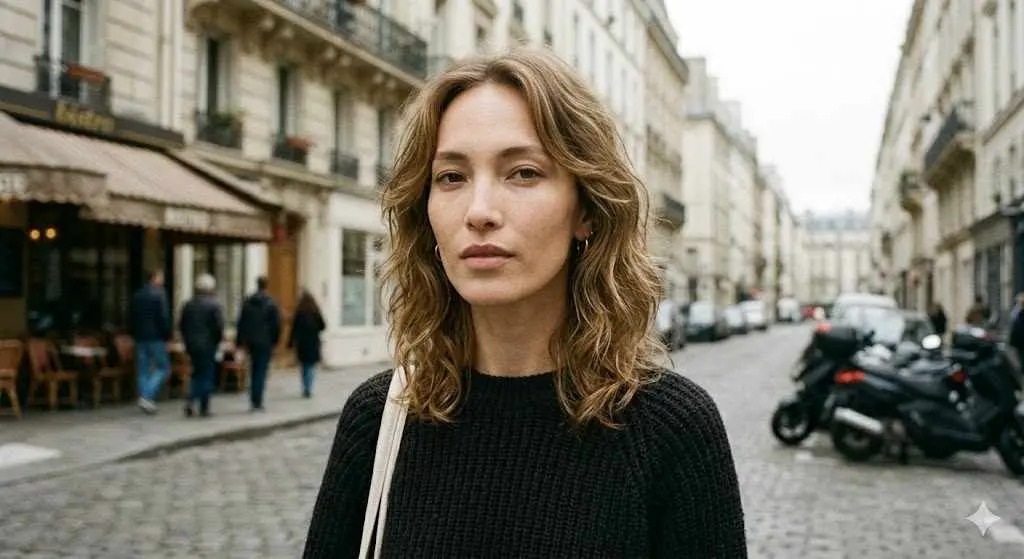
This is the wolf cut as interpreted through the lens of Parisian nonchalance. The cut itself is mid-length with softer, more internal layering that prioritizes movement over extreme chunkiness. The ends are often left a bit denser, and the finish is never too “done.” The styling is key: it’s air-dried with a light salt spray to encourage a gentle, unbrushed wave rather than a defined curl or spike. It’s ideal for those with oval or slightly long faces and hair that possesses a natural bend. The look is trending because it embodies the aspirational “I woke up like this” ethos. It’s the version of the wolf cut you take to a Parisian bistro; it’s cool, a bit messy, but undeniably chic and never tries too hard. It’s the opposite of the Jet-Black Spike—it’s the wolf cut on vacation.
14. Platinum Blonde Buzz-Cut Contrast
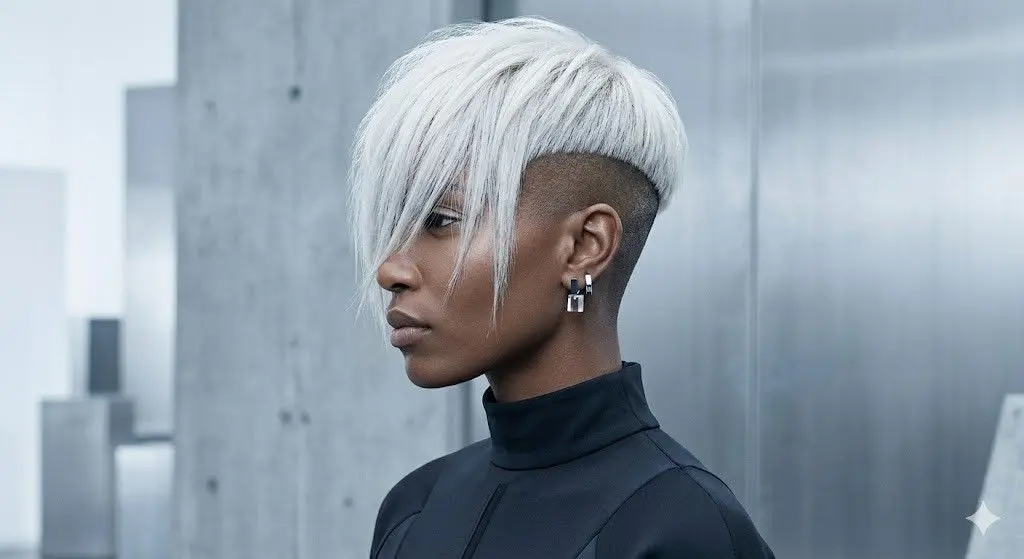
In this daring iteration, the wolf cut is taken to extreme lengths on top while the undercut or nape is shaved to a buzz. The remaining top section, however, is long enough to fall over the shaved part, creating a soft, heavy veil. The juxtaposition is heightened by the color: a stark, icy platinum blonde that adds a futuristic, almost alien texture to the choppy layers. This high-contrast style works best on those with strong jawlines and oval faces, as the shaved element exposes the neck and bone structure while the platinum weight on top softens the forehead. It’s a viral trend because it sits at the intersection of soft femininity (the long, wispy blonde layers) and hard androgyny (the buzzed scalp). The shock value of the reveal—lifting the hair to show the shave—is a hallmark of this look’s social media success.
15. The Brushed-Out Fluff
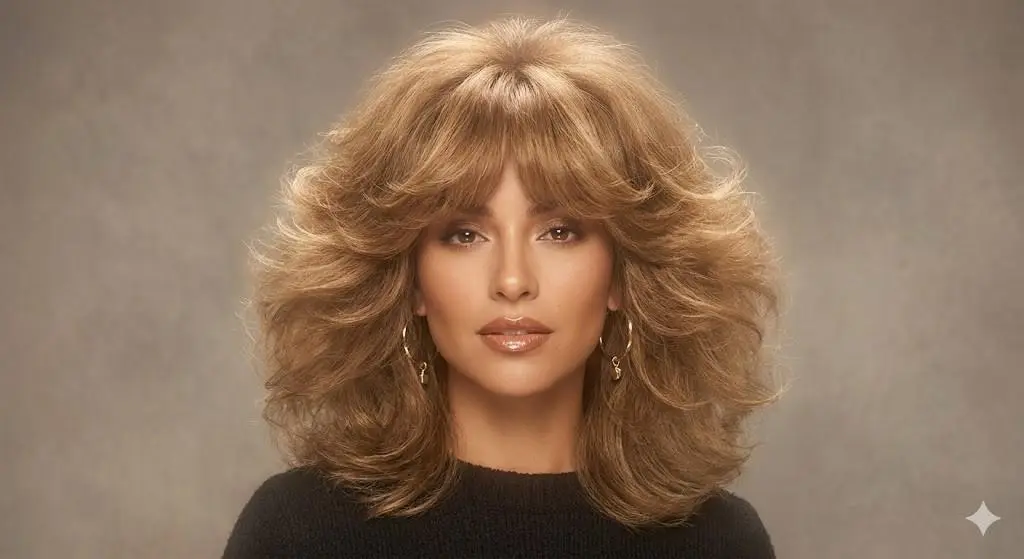
This style takes the wolf cut’s natural volume and amplifies it exponentially through a specific styling technique: aggressive backcombing and a round-brush blowout directed away from the face. The result is a glorious, airy, ’70s rockstar cloud of hair. The cut itself requires less extreme razoring and more uniform layering to support this level of expansion without looking stringy. It’s a magnificent choice for those with fine hair who crave the look of immense density, as the fluffing technique creates pockets of air that make the hair appear twice as thick. It flatters oval and heart-shaped faces by creating a soft, diffused frame around the entire head. This version is trending as a reaction against the sleek, flat-ironed hair of previous decades; it’s a celebration of maximalist texture and unapologetic, bouncy volume.
16. The Asymmetrical A-Line Wolf
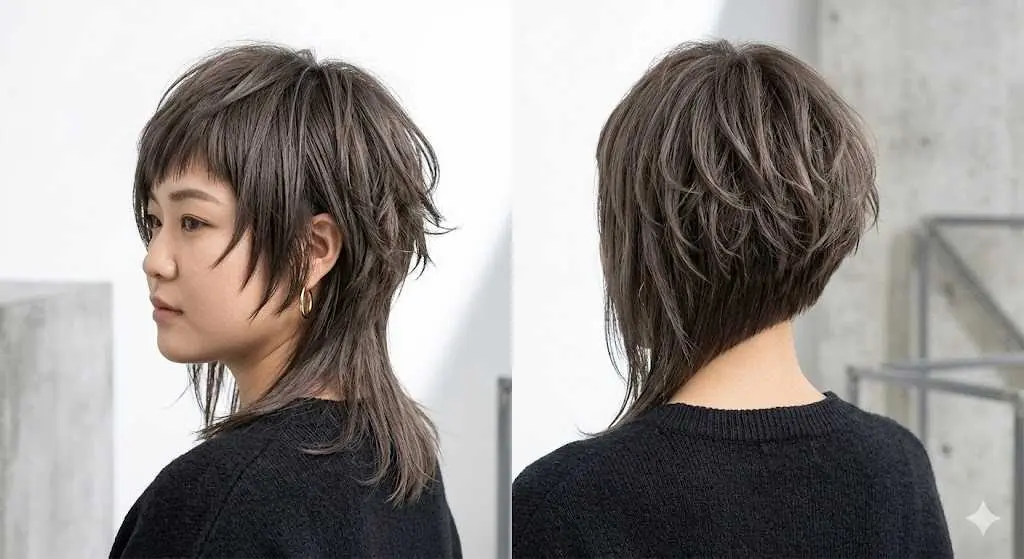
This cut breaks the circular symmetry of the traditional wolf cut by introducing a distinct length difference from one side to the other. One side is kept cropped near the chin or cheekbone, while the opposite side is allowed to fall to the shoulder or collarbone. The layering is adjusted to accommodate this diagonal weight line, creating a dynamic, swooping shape that is shorter in the back and longer in the front on the heavy side. It’s a powerful shape for balancing asymmetrical facial features or for adding an architectural edge to a round face, as the diagonal line cuts through the roundness and creates a more angular perception. The trend is driven by those seeking a “wolf cut with a twist”—it retains the texture and volume but offers a more sculptural, high-fashion silhouette that stands apart from the crowd.
17. The Curtain-Framed Mullet Wolf
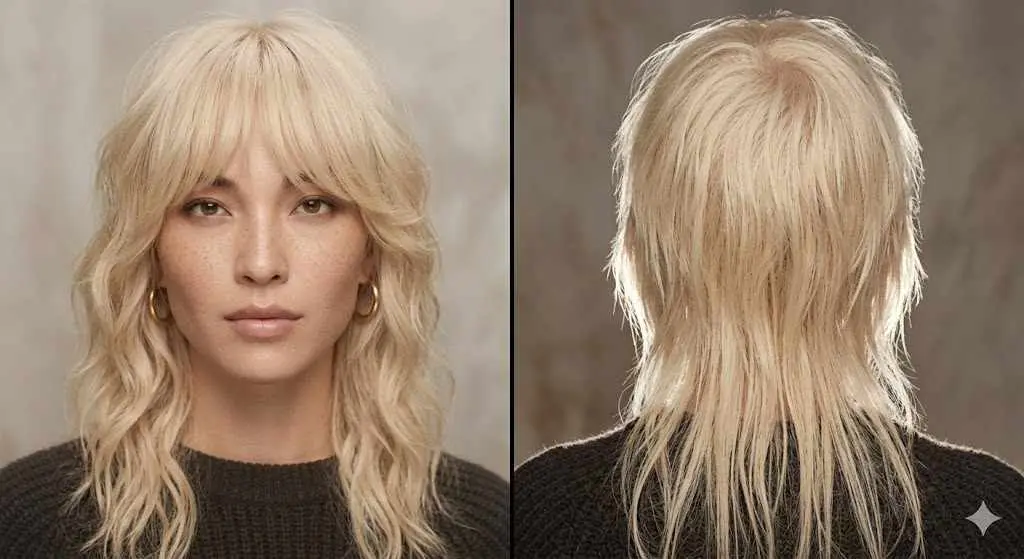
This style doubles down on the hair’s ability to frame the face by combining two distinct elements: a long, sweeping curtain fringe that blends directly into heavy, chin-length face-framing layers (the “curtain frame”), contrasted against a severely thinned-out, wispy mullet tail at the back. The front is soft, romantic, and polished, while the back is wild, textured, and undone. This duality is what makes the cut so compelling and visually interesting. It is exceptionally suited for heart-shaped faces, as the dense front layers add width and substance at the jawline (balancing a pointy chin) while the mullet tail draws the eye downward, elongating the neck. It trends because it allows the wearer to be both “pretty” from the front and “cool” from the side profile—a true hybrid for the indecisive stylist.
18. The Tousled Beach Wave Wolf
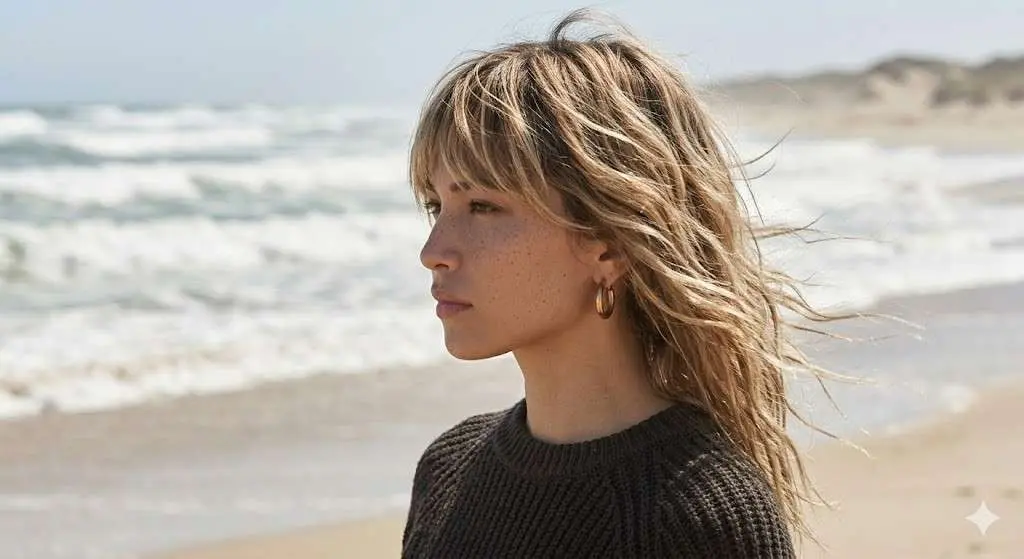
This iteration relies less on the precision of the cut and more on the synergy between the layers and a specific texture: the matte, lived-in beach wave. The wolf cut is crafted with medium density layers that are meant to clump together in salty, piecey sections rather than separate into individual spikes. The cut is designed to encourage the hair to fall into that perfect “day at the shore” S-wave pattern without any effort from the wearer. It’s incredibly forgiving on square jawlines and thicker hair textures, as the soft, rounded waves counteract angular bone structure and tame excess bulk. This is a perennial summer-to-fall transition favorite because it looks intentional yet relaxed, pairing the structural intrigue of the wolf cut with the universally beloved, low-effort aesthetic of beachy hair.
19. The Grown-Out Wolf Shag
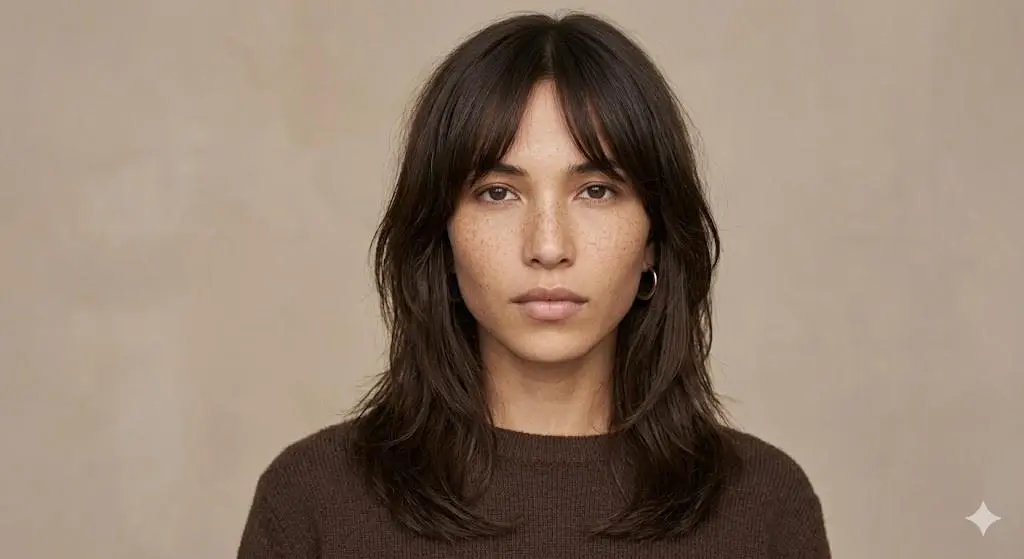
This is the cut for those who want the wolf aesthetic without the monthly upkeep. The layers are cut slightly longer and with a wider space between them, specifically engineered to look fantastic as they grow out over several months. Instead of creating a harsh shelf of layers that needs constant trimming to avoid looking like a mullet, the stylist creates a blended, feathered graduation from the short crown to the longer lengths. It’s the ideal shape for those with oblong faces, as the longer, softer layers around the shoulders add width and prevent the face from looking too narrow. The trending status of this specific “grown-out” approach is driven by economic and time-conscious beauty consumers. It’s the sustainable wolf cut—it evolves gracefully, transitioning from a defined shag to a soft, long-layered look without ever hitting an awkward phase.
20. The Deep-V Nape Wolf
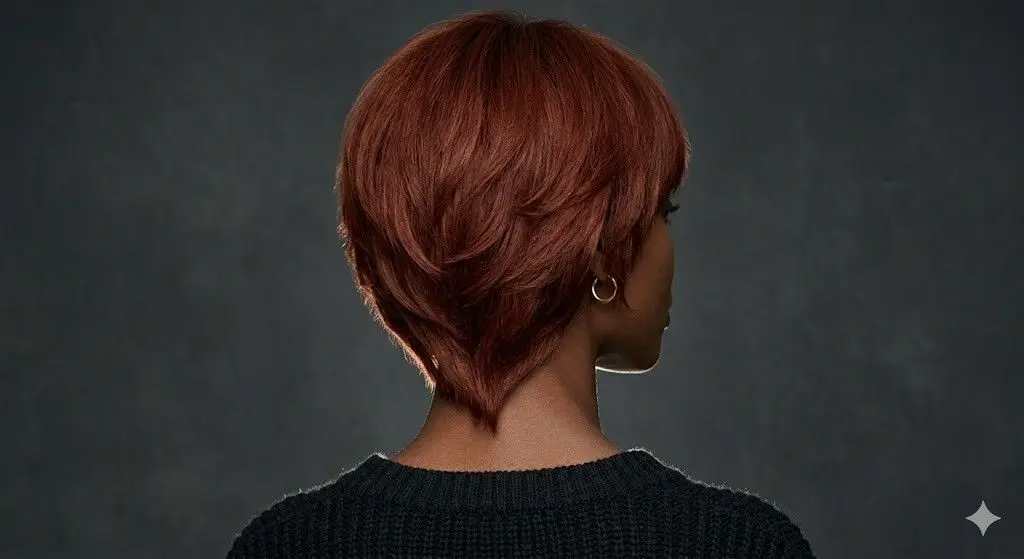
This style focuses all the dramatic tension on the back of the neck. Instead of a straight-across, blunt, or rounded nape line, the hair is cut into a distinct, sharp V-shape that points down the spine. The layers of the wolf cut are then carved to follow this V-shape, creating a cascading waterfall effect that draws the eye down the back. From the front, it reads as a classic, voluminous wolf cut, but the rear view is a geometric masterpiece. It’s an exquisite detail for those with long necks and narrow shoulder lines, as the V-shape lengthens the neck and creates a slimming, elegant line. This style trends among those who appreciate subtle, “if you know you know” details—a hidden architectural element that elevates the cut from a simple shag to a bespoke design.
The Enduring Edge
Ultimately, the wolf cut’s dominance stems from its remarkable ability to shapeshift between identities—punk, romantic, minimalist, or maximalist—all while maintaining a core structure of rebellious volume and feathered release. It is a cut that works with the hair’s natural inclinations rather than against them, offering a reprieve from the tyranny of hot tools. As we continue to seek out styles that feel personal and slightly undone, the variations listed here prove that the wolf cut is not a fleeting fad but a permanent, evolving fixture in the lexicon of modern hair.

