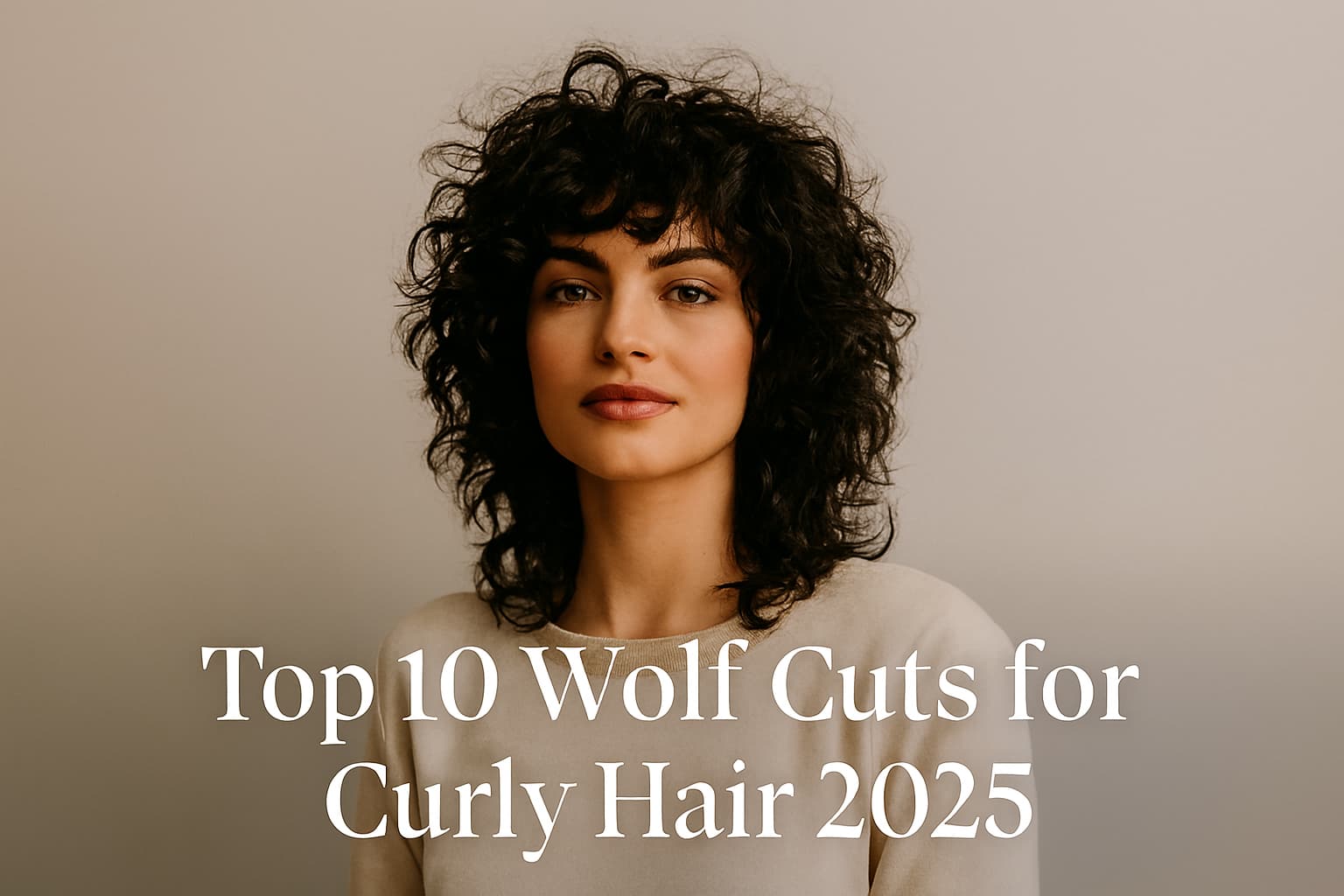
You know that feeling when you tip your head forward and feel the actual weight of your hair pulling at your scalp? That’s the thick-hair reality check. The wolf cut, when done with real precision, lifts that weight without making you look as though you’ve just wrestled a pair of thinning shears. And if you’ve got a round face, the cut can add length or widen your jaw in a heartbeat — it all lives in the layering strategy.
The wolf cut exploded out of K-fashion and TikTok, but it has real salon bones: it’s a softer, less aggressive cousin of the mullet-shag hybrid. The magic for thick hair is internal texturizing. When a stylist removes weight without losing the perimeter’s density, the hair moves differently. It swishes. It falls into place instead of puffing out. And for a round face, a well-placed cheekbone layer can create an elongated silhouette that a blunt cut never could.
But here’s the truth nobody hands you in a 15-second video: wolf cuts grow out faster than you think — and on thick hair, the awkward phase can feel triangular if the layers were cut too short. That’s why this guide exists. I’ve watched these haircuts walk out of salons, I’ve seen the humidity-induced poof, I’ve heard the “I asked for a wolf cut and got a mullet” panic. Every one of the 20 looks below has been chosen because it’s a bulk-buster first, a shape-shifter second. Round face? I’ve got notes for you in every single one.
1. The Soft Layered Wolf Cut That Frames a Round Face

This version trades the typical choppy top for softer, longer internal layers that start just below the cheekbones. The bangs are airy curtain bangs, not blocky. For thick hair, the cut relies on slide-cutting to remove bulk in the interior while keeping the ends full but swingy. The overall shape is an oval tease — longer sides skim the jaw, the crown has lift but not a mushroom top.
Who it suits: Medium to thick density straight or wavy hair. Works exceptionally well on a round face because the cheekbone-level layers draw the eye vertically. If your hair has a slight wave, the cut looks undone in the best way.
Styling difficulty: Low. A quick rough dry and a flick of texturizing spray is often enough. Heat minimal.
Maintenance level: Medium. You’ll need a trim every 7-8 weeks to stop the layers from losing their face-framing magic.
Salon note: Ask the stylist to keep the shortest face-framing piece no higher than the tip of your nose. Anything shorter on a round face can widen the cheeks.
2. The Textured Shag Wolf Cut with Choppy Bangs

Think of this as the wolf cut that leans fully into its shag DNA. The layers are shorter around the crown and the bangs are deliberately uneven, hitting just below the brows. On thick hair, it’s a bulk-removal powerhouse because so much weight gets sliced out through point cutting. The texture feels piece-y and lived-in.
Round face nuance: The heavy bang can shorten the face, so this style works best if you keep the sides longer — almost jaw-length — to create a vertical line. A round face with a softer jawline benefits from that contrast.
Styling reality: This cut wants texture. If your hair falls pin-straight, you’ll be reaching for a flat iron to flick out the ends every morning. Waves or loose curls make it sing.
Grow-out watch: The choppy bang will enter an annoying eye-poking phase around week five, so pin it back often or commit to bang trims.
3. The Long Wolf Cut with Internal Layers for Thick Hair

Long hair with thick density often turns into a triangle. This wolf cut keeps the length grazing the collarbone or beyond but carves out weight from the inside. The outer layer stays long, which means your hair still feels substantial, but the bulk is gone. Face-framing pieces start around the chin.
Round face wisdom: If your face is round, the length below the chin pulls the eye down, which naturally elongates. Keep the layers subtle above the jaw so the width doesn’t expand sideways.
Styling effort: Moderate. You’ll need a good blowout cream and a round brush to stop the internal layers from flipping outward unpredictably. Air-drying works only if you have a natural bend.
Who should be cautious: If your hair is thick and coarse, this cut can still feel heavy unless the stylist aggressively texturizes the internal sections. Speak up about that.
4. The Curly Wolf Cut That Defines Ringlets Without Puff

A curly wolf cut is a trust exercise. The goal is to remove enough bulk so curls coil freely without collapsing into a pyramid shape. Layers are cut dry, curl by curl, and often shorter around the crown to encourage volume while tapering down the sides. For a round face, the shape should be narrower at the cheeks and wider at the eye level, creating an almond silhouette.
Styling difficulty: With the right cut, surprisingly low. Scrunch in a lightweight gel, diffuse, and go. The cut itself reduces drying time because there’s less heavy hair.
Maintenance: Curl-specific cuts need a refresh every 8-10 weeks. Earlier if your curls grow outward quickly.
Real talk: On extremely humid days, the crown layers might still expand. Keep a strong hold mousse on deck.
5. The Jawline-Skimming Bob-Length Wolf Cut

This is a shorter interpretation that lands right at the jaw. The back is slightly shorter with a soft stack, and the front has disconnected, wispy strands that break the strong horizontal line. On a round face, a blunt jaw-length bob can widen the face, but the wolf cut’s broken texture and forward movement counteract that.
Bulk removal method: Heavy point cutting through the ends and behind the ears removes mass without exposing blunt lines.
Styling: Use a flat iron to create gentle bends away from the face. Volumizing powder at the roots gives lived-in lift that never looks round.
Salon error to avoid: Do not let the stylist cut a strong undercut at the back. That can make the shape mushroom if your hair is thick.
6. The Mullet-Inspired Wolf Cut with Subtle Taper

Before you run away, the modern “soft mullet” wolf cut is much more wearable than its reputation suggests. The back has gentle layering that tapers down the neck, while the top and sides keep more length. For thick hair, this removes significant weight from the nape — often the heaviest zone.
Round face adaptation: Keep the side layers longer, blending into the front pieces. If the sides are too short, a round face can look wider. The front fall should begin around the cheekbones and angle toward the chin.
Styling personality: This cut loves a wet-look gel or a messy pomade on lazy days. It dries quickly because the back is so light.
7. The Korean Air Bangs Wolf Cut for Thick Asian Hair

Korean air bangs are wispy, see-through, and never heavy. Paired with a wolf cut on thick, straight Asian hair, they create a breezy silhouette that’s the opposite of bulky. The rest of the cut has long, graduated layers that soften the density without losing the overall weight.
Round face bonus: The wispy bangs let forehead skin peek through, which adds length to the face visually. The longer side layers draw a slimming line from the temple to the collarbone.
Styling requirement: You must style air bangs with a small roller while they dry, or they’ll clump. It’s a daily 5-minute commitment. Worth it.
Maintenance: Bang trims every 3-4 weeks. The rest can go 8 weeks.
8. The Blunt Bangs Wolf Cut with Heavy Texture Removal

Here the bang is heavy and straight across, but the rest of the hair is aggressively textured through the back and sides. The contrast between solid fringe and airy body keeps the cut from feeling dense. On a round face, blunt bangs work if they hit right at the brow bone — any higher and the face can shorten.
Warning: This cut demands regular flat iron work to maintain the blunt fringe’s sharpness. The body, however, can be roughed up with texture spray.
Bulk insight: The stylist will likely use a razor to slice out weight from underneath while leaving the top layer smooth. That prevents the “helmet” effect.
9. The Razor-Cut Wolf Cut for Maximum Wispiness

A full razor cut removes bulk like nothing else. Every strand tapers to a feathery tip, which makes thick hair feel weightless. The shape is often round through the crown and shattered at the ends.
Round face specifics: Request that the razor work focuses on the weight line just below the ears. If too much bulk is removed above the temples, the face can appear wider. Keep some density there.
Styling: Air-drying is genuinely enough. A salt spray adds grit. Heat tools can melt the razor-cut ends if you aren’t careful.
Frizz caveat: Humid climate? Razor cuts on porous thick hair can frizz at the tips. A smoothing serum on ends is non-negotiable.
10. The Shoulder-Length Wolf Cut with Feathered Layers

Feathering isn’t just an 80s throwaway. On thick hair, feathered layers at shoulder level create a graceful, sloped shape that moves like a curtain opening. The cut is round through the back and swoops forward at the front, drawing eyes down.
Why it helps a round face: The forward-sweeping strands break up the face’s width and create the illusion of a narrower jaw. The shoulder length prevents the hair from mushrooming out.
Styling effort: Medium. You’ll want a medium round brush and blow-dryer to flick the feathered ends outward slightly. It takes practice but looks expensive.
11. The Asymmetrical Wolf Cut with Deep Side Part

An extreme side part immediately changes the geometry of a round face. Combine that with a wolf cut where one side is heavier and longer, and you get diagonal visual energy — one of the most effective slimming tricks in hairstyling. The bulk is removed mostly from the shorter side, so the overall shape feels light.
Thick hair caveat: Without proper texturizing, the heavy side can look like a weighted curtain. Ask for internal slicing to make the fall more fluid.
Styling: A sculpting paste pushed into the roots on the heavier side keeps the asymmetry deliberate, not lopsided.
12. The 70s Shag Wolf Cut with Micro Bangs

Short, blunt micro bangs paired with a heavily layered wolf cut that cascades past the shoulders. On a round face, micro bangs can work if they’re slightly arched at the corners — never straight across — so the face gains forehead height.
Bulk removal: The 70s shag relies on short crown layers that remove serious weight from the top and mid-section. If your hair is thick and wavy, you’ll see immediate lift.
High-maintenance truth: Micro bangs grow out fast and require trimming every 2-3 weeks. The rest of the cut can go longer, but you’ll feel the difference.
13. The Boho Wolf Cut with Long Curtain Bangs and Volume

Curtain bangs that blend seamlessly into shaggy layers, with a rounded yet airy shape. This version keeps more length overall, ideal if you want to retain density but shed pounds. The layers start around the chin, so the top stays controlled.
Round face note: The long bangs parting at the center opens up the forehead, and the volume at the crown lifts the eye upward. A round face feels taller, not wider.
Styling simplicity: A large barrel curling iron on the mid-lengths, then finger-tousling. The look is intentionally soft, so over-styling ruins the vibe.
14. The Sleek Straight Wolf Cut for Coarse Thick Hair
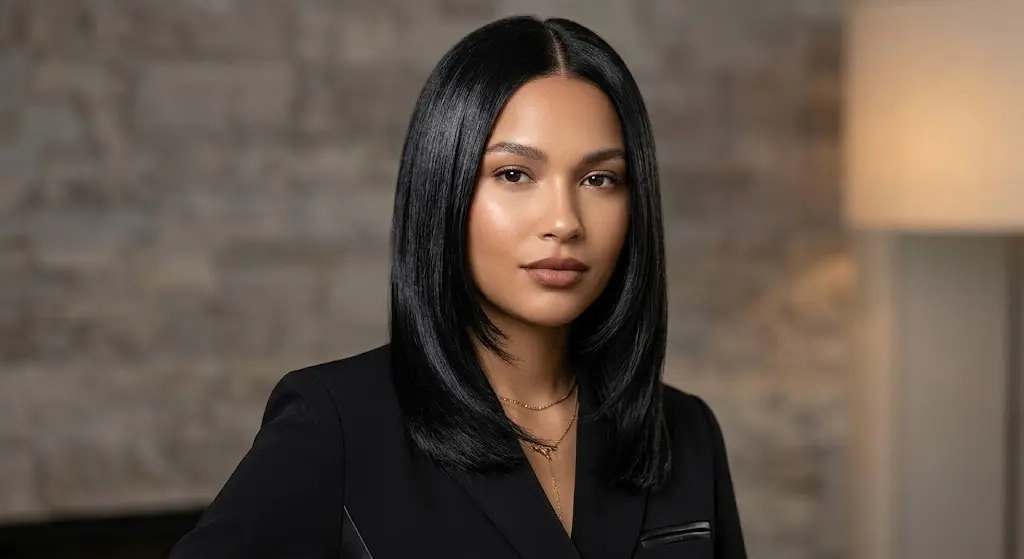
Coarse thick hair can resist soft textures. This wolf cut works with that tendency by keeping the hair one-length at the perimeter but carving out internal weight with slicing shears. The result is a sleek, heavy-looking outside that’s secretly light inside. On a round face, the sharp, straight lines and a center part lengthen the face dramatically.
Heat truth: To keep it sleek, you’ll need a good blowout and a flat iron pass. Humidity will fluff it up, so anti-frizz serums are your armor.
Maintenance: The interior grow-out isn’t obvious, so you can push trims to 10 weeks.
15. The Ultra-Short Wolf Cut for Fine but Dense Hair

Some people have fine individual strands but a massive number of them — thick density, fine texture. This short wolf cut crops the nape, keeps soft volume on top, and uses a wispy fringe. It feels weightless. On a round face, keeping the top slightly longer than the sides creates a vertical mini-pompadour effect, slimming the face.
Styling: Mousse and a diffuser give it a piece-y dry texture. Or slick it back with gel for an editorial look.
Salon note: Ask for a disconnected top layer so the crown has movement separate from the tapered sides.
16. The Layered Wolf Cut with Hidden Undercut

Bulk removal doesn’t have to be visible. A hidden nape undercut takes out an enormous amount of weight from the bottom, while the top hair falls over it, looking like a normal wolf cut. Perfect for extremely thick, hot hair. On a round face, the undercut doesn’t affect the silhouette because it’s hidden, but the lighter overall weight helps the top layers frame the face without puff.
Cooling reality: Summer lifesaver. Winter? Your neck might feel chilly.
Maintenance: The undercut needs clippers every 4 weeks to stay neat, otherwise it gets fluffy.
17. The Tousled Wolf Cut with Money Piece Highlights

This cut pairs a classic wolf shape with bright face-framing highlights (“money piece”). The contrast draws all attention to the center of the face, and on a round face, that vertical brightness slims beautifully. The cut itself uses mid-length layers to de-bulk without losing the color impact.
Color-styling synergy: The blonde front pieces pop best when styled with loose waves. A flat iron bend away from the face maximizes the framing.
Bleach note: If your hair is thick and dark, expect multiple lightening sessions. Olaplex is your friend.
18. The French-Inspired Wolf Cut with Soft Fringe

Think less shag, more effortless Parisian cool. A light, eyebrow-grazing fringe that’s slightly curved at the edges, combined with long, barely-there layers. The bulk reduction comes from subtle undercutting at the sides, so the hair tucks behind the ears without poofing. On a round face, the soft fringe and ear tuck expose the jawline in a flattering, relaxed way.
Styling lowdown: Wash-and-go is the goal. A lightweight cream, air-dry. If you have a cowlick, the fringe will fight you — consider a keratin treatment just on the bang.
19. The Disconnected Wolf Cut for Edgy Texture

Disconnected layers mean there’s a clear break between the top and the bottom sections. The crown is short and shaggy, the length drops suddenly, creating a two-tiered effect. On thick hair, it removes enormous weight and feels rebellious. For a round face, keep the length below the chin and the short top not too wide — a narrower top keeps the face elongated.
Risk: The grow-out can look mullet-y. Commitment needed. Styling with a strong texture paste helps mask the transition if you delay a trim.
20. The Natural Grey Wolf Cut Embracing Thick Silver Hair

Thick grey hair often has a wiry, coarser texture that can feel bulky and unmanageable. This wolf cut uses strategic layering to coax silver strands into a soft, cloud-like shape. Layers are kept longer than typical to avoid a triangular puff, and the fringe is light and feathery.
Round face plus grey hair: A side-swept fringe and layers that start at the lips — not the nose — prevent the hair from lifting too much at the sides, which can add visual width.
Product must-haves: Purple shampoo, a shine serum, and a humidity spray. Grey hair can yellow or frizz fast.
Styling & Maintenance Advice for Thick-Hair Wolf Cuts
Heat styling realities: Most wolf cuts on thick hair need some heat styling to direct the layers. Without it, the hair can settle into a round, bulky shape. A blow-dryer with a concentrator nozzle gives you directional control. Diffusing works wonders for curls. Flat irons are best for flicking face-framing pieces outward.
Trimming frequency: The layers around the face lose their shape fastest. Every 6-8 weeks is ideal. If you wait 12 weeks, the cut can morph into a heavy bell shape.
Product picks that matter:
- Texturizing spray (like Oribe Dry Texturizing Spray) for that piece-y, not-done look.
- Lightweight mousse for curly and wavy versions; it defines without weighing down.
- Anti-humidity spray if you live in moisture; thick hair tends to absorb water and puff.
- Smoothing serums on ends to prevent the razor-cut or sliced ends from looking frayed.
Beginner tip: If you’re new to styling layers, start by drying the front sections first and pinning the back out of the way. The face-framing pieces set the whole vibe.
What to Ask Your Stylist for a Round Face-Friendly Wolf Cut
- “Can you start the shortest face-framing layer just below my cheekbones, not above them?” This preserves vertical length.
- “I want internal weight removal, not a heavy perimeter.” Request point cutting or slicing shears, not thinning shears that can create frizz.
- “Keep the crown volume vertical, not horizontal.” Think height, not width.
- “Let’s do a longer curtain bang that blends into the side layers.” Avoids a harsh horizontal line across a round face.
- “Please show me how to style the front sections at home to keep the face elongated.” Good stylists always demo.
Common Mistakes with Wolf Cuts on Thick Hair and Round Faces
- Cutting the top layers too short. On a round face, this adds width at the widest point. The crown should lift upward, not outward.
- Using thinning shears everywhere. This can create a frizzy, fluffy texture on thick hair, ruining the sleekness. Internal slicing is cleaner.
- Blunt bangs without face-framing sides. A solid fringe across plus thick hair equals a visual block that widens a round face. Always ask for wispy or tapered corners.
- Ignoring the nape. Leaving the back too heavy pulls the shape downward and can make the sides poof out. A subtle taper or hidden undercut solves it.
- Not factoring in cowlicks or growth patterns. Thick hair often has strong growth patterns. A wolf cut that fights a front cowlick can look messy without daily blow-drying.
- Thinking wolf cut means zero styling. Most will need at least 5-10 minutes of effort unless you have the exact right texture. Be honest about your routine.
FAQ
Is a wolf cut good for a round face with thick hair?
Yes, if the layers are placed to elongate rather than widen. Ask for layers that begin below the cheekbones, long curtain bangs, and vertical crown volume. Avoid short, wide top layers.
Does a wolf cut really reduce bulk in thick hair?
Absolutely. The combination of internal texturizing, point cutting, and strategic layering removes weight without leaving the hair looking thin. The key is communication with your stylist about exactly how much weight you want gone.
How do I style a wolf cut on thick hair to keep it from getting poofy?
Start with a smoothing blowout using a concentrator nozzle. Apply a lightweight anti-frizz serum before drying. On non-wash days, reactivate with a texturizing spray, not more heat. Avoid over-brushing — it separates layers and encourages puff.
Will a wolf cut make my round face look chubby?
Not if the cut is tailored. The danger lies in horizontal bulk at the cheek level. A properly cut wolf cut creates diagonal and vertical lines that visually slim the face. Bring reference photos of round-faced models with the cut.
Can I air-dry a wolf cut with thick hair?
Wavy and curly textures air-dry beautifully. Straight thick hair often dries into a bulky shape and benefits from a quick blow-dry to direct face-framing sections. Use a light curl cream if you have natural texture, and scrunch.
How often do I need trims?
For the layered front, every 6-8 weeks. The back can go a bit longer if it’s not tapered. Bangs may need trims every 3-4 weeks if they’re blunt or micro.
What’s the difference between a wolf cut and a shag for thick hair?
A wolf cut typically has more length in the back (mullet-inspired) and softer blending. A shag often has shorter, more uniform layers all around. Both remove bulk, but the wolf cut feels slightly more modern and less retro on thick hair.
Final Thoughts
Thick hair doesn’t need to feel like a responsibility you haul around. The wolf cut, in its many forms, is one of the smartest ways to keep your hair’s personality while stripping out the heaviness. For a round face, the details genuinely matter — a half-inch difference in layer height can change whether you feel wide or lifted. My best advice is to walk into the salon with a clear idea of what you want your hair to do, not just what it should look like. Say you want to feel less weight around your ears. Say you want the front to fall inward, not outward. That’s the kind of language a good stylist can translate into a cut that works for your exact face and density. The wolf cut is a conversation. Have it often, and you’ll never go back to blunt, bulky shapes again.