Every September, salon booking apps fill up with the same request: something warmer. Not a full overhaul, just a shift toward the tones that read well against sweaters and low light. That’s what this season’s color trends are really about. Less shock value, more depth.
The shades below lean brunette, copper, and gold, with a few deep reds and one true plum for anyone who wants drama. Most of them build on a natural base instead of fighting it, which is part of why they’re catching on. Bleach-heavy platinum still exists, but it’s not what’s filling appointment books right now.
One thing worth saying upfront: color that looks effortless in a photo rarely stays that way without some care behind it. Warm tones fade differently than cool ones. Red pigment molecules are physically larger and wash out faster than brown or blonde ones. A shade that looks perfect on day three can shift by week five if nobody mentioned a gloss schedule. So alongside the visual description of each trend, you’ll find what it actually asks of your hair, your wallet, and your Saturday mornings.
If you’re weighing more than one option, read the maintenance notes before the photos win you over. That’s usually where people get surprised.
1. Cinnamon Bronze Balayage

Hand-painted copper-brown streaks over a warm brunette base, blended so there’s no obvious line between natural root and color. It reads reddish in sunlight and more neutral brown indoors.
This one suits medium to dark brunette hair best, especially if your natural color already has some warmth in it. On olive and tan skin, it tends to look sun-warmed rather than dyed. Styling is low effort since loose waves show off the dimension on their own.
Maintenance sits in the moderate range. Copper tones fade fastest of any color family, so plan on a toning gloss every six to eight weeks even though the balayage itself grows out softly. Tell your colorist if you tan often outdoors, because UV exposure can pull cinnamon toward orange faster than expected.
2. Cold Brew Brunette

A flat, cool-toned deep brown with almost no red or gold in it, closer to espresso than chocolate. It’s a single, matte-finish color rather than a dimensional one.
Fine to medium hair holds this shade well. Fair, cool-toned skin usually pairs nicely with it, though very pale skin can look washed out if the brown reads too flat and opaque. Day-to-day styling couldn’t be simpler, it looks intentional straight or wavy.
The color itself is low-upkeep, but you’ll want a violet or blue-toned shampoo occasionally to stop warmth from creeping back in as it fades. If you’re coming from a previously warm or red base, expect your colorist to go in stages rather than one sitting. Correcting warm pigment with a cool tone in a single pass can pull greenish, and a good stylist won’t risk that.
3. Copper Penny Red

Saturated orange-red with a glossy, almost metallic finish. This is the boldest option on the list and it photographs beautifully, but it’s also the highest-maintenance.
Thicker hair holds the pigment longer than fine hair does. Warm and olive skin tones tend to look best with it. Styling-wise, the color does most of the work, though humidity can flatten the shine, so an anti-frizz serum earns its keep here.
Red fades faster than any other tone, full stop. Sulfate-free shampoo isn’t optional, and a gloss refresh every four to five weeks is realistic if you want it to stay vivid rather than fade toward strawberry-blonde by accident. Chlorinated pools are rough on copper specifically, worth mentioning to your stylist if that’s part of your routine.
4. Butterscotch Blonde

Warm gold blonde with a caramel undertone running through it, softer and less bright than a platinum trend. It looks less like “blonde hair” and more like sun-lightened natural hair.
This works most smoothly on a base that’s already blonde or light brown. Coming from dark virgin hair, it usually takes more than one session to lift safely. Golden and peach undertones in the skin tend to pair well with it. It holds curl nicely and looks intentionally undone.
Root touch-ups land around every eight to ten weeks. Purple shampoo helps with brass, but use it sparingly here, this shade wants to stay warm, and over-toning can push it ashy or slightly lavender, which isn’t the goal. If you’re starting from dark hair, ask your colorist directly whether one appointment will get you there or whether it’s a multi-visit plan. Better to know upfront than to be disappointed at the mirror.
5. Chocolate Cherry Brunette

Deep brown with a red-violet undertone that shows up mainly in direct light, subtle rather than neon. Indoors it can read as a rich, glossy brunette.
Works well on naturally dark brunette hair since it doesn’t require bleach to achieve. The red undertone tends to warm up sallow or ashy complexions nicely. Styling stays simple on both straight and wavy textures, and the finish photographs with a lot of shine.
This is a lower-maintenance red option specifically because it’s not a full red, it’s a brunette with a red cast. A semi-permanent gloss every six weeks keeps the cherry tone from settling into flat brown. Ask your colorist to concentrate the red pigment through the mid-lengths and ends rather than saturating the roots, so regrowth isn’t as noticeable between visits.
6. Mushroom Brown
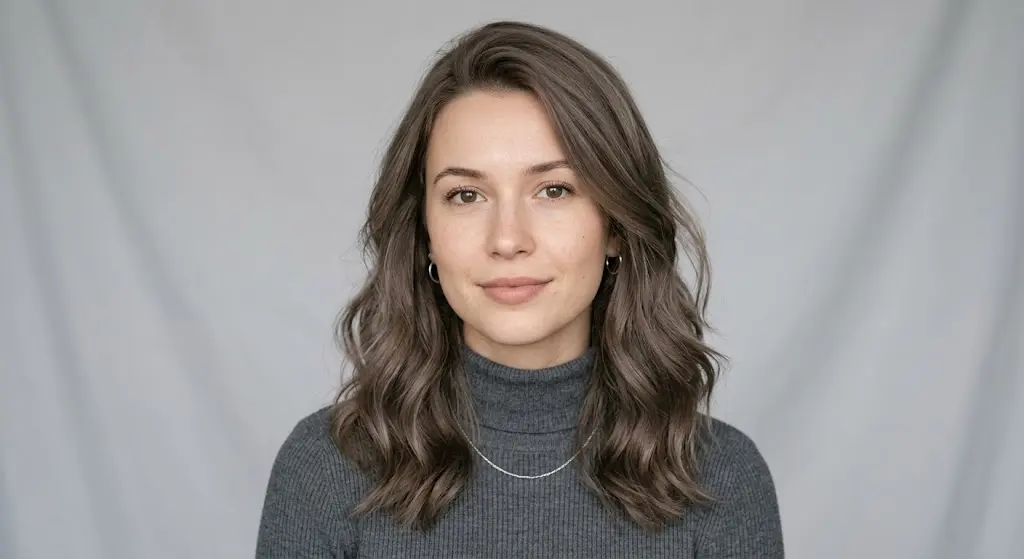
A cool, muted taupe-brown, neither warm nor ash-gray, closer to “your hair but better.” It’s meant to look barely-there.
Light to medium brown natural hair takes to this easily. Very dark or black hair needs lightening first to see the mushroom effect at all. It’s genuinely one of the most neutral, skin-tone-friendly shades on this list, which is part of why it keeps coming back every fall. Styling requirements are minimal, it works with air-dried texture as-is.
This is one of the lower-upkeep trends here, since it sits close to a lot of natural bases already. A gloss every ten to twelve weeks maintains it. One real note of caution: “mushroom” reads very differently depending on your underlying pigment, so bring reference photos and ask for a strand test before committing. Skipping that step is how people end up with an unintended gray cast.
7. Toffee Money Piece
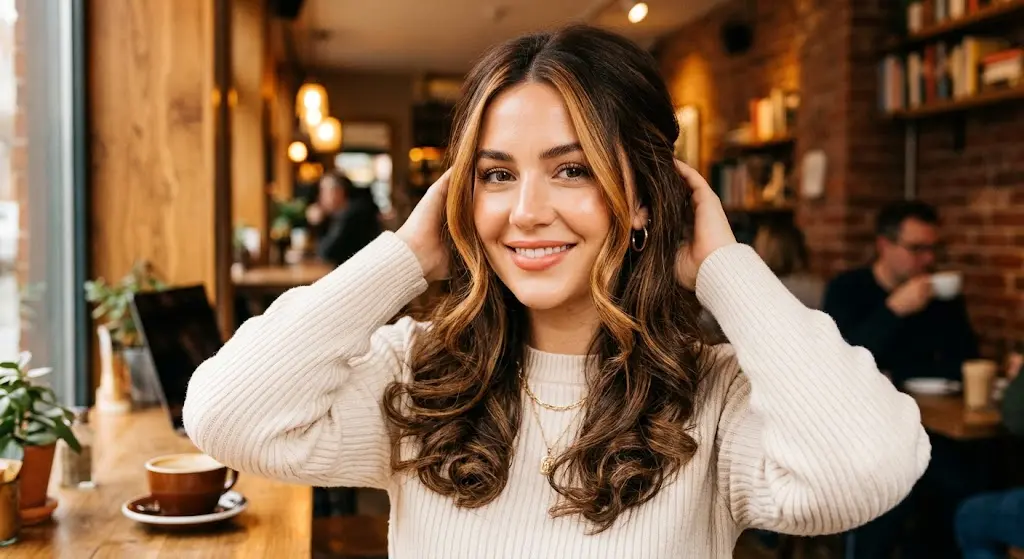
Warm caramel-toffee highlights concentrated around the face, chunkier and more deliberate than a full balayage. It’s a two-tone framing effect rather than all-over dimension.
Thick or coarse brunette hair handles the contrast well. On fine hair, the pieces can look more like stripes than a blend, worth discussing with your stylist before booking. It brightens the area around the eyes and tends to flatter round and oval face shapes. You’ll want a curling wand occasionally to soften the pieces into the rest of your waves.
Because the highlights sit close to the part line, this is one of the faster-growing-out trends, expect a touch-up around every ten to twelve weeks. If you don’t love an obvious contrast when your hair’s pulled back, ask your colorist to feather the edges rather than keep them sharp.
8. Auburn Root Melt

Reddish-brown roots melting into brighter auburn mid-lengths and ends. It’s a gradient, but a soft one, nothing like a harsh ombré line.
Medium to long hair with some layering shows this off best, since the melt needs room to move. The reddish warmth flatters cooler skin tones especially. On already-round face shapes, keep the darker root section from getting too wide, or it can add visual weight up top. Loose waves let the color transition read naturally.
This is a grow-out-friendly option, one of the gentler choices on the list for anyone who doesn’t want to be back in the chair every two months. Where the melt starts matters more than people expect: too high and it can look like regrowth, too low and it looks like the ends were dipped separately. Be specific with your colorist about the starting point.
9. Caramel Balayage on Deep Brunette

Warm caramel ribbons woven through a dark brown base, more subtle and distributed than a money piece. The effect reads as dimension rather than framing.
Medium to thick hair with some layering shows the effect best. It tends to warm up olive and medium skin tones nicely. This is an easy, low-drama color to live with day to day, especially with beachy waves.
Balayage’s whole appeal is a soft grow-out, and this shade delivers on that. A gloss every ten weeks or so keeps the caramel from drifting brassy or yellow. If low-maintenance is the goal, ask specifically for the highlights to be placed below the eyebrow line, that keeps regrowth from being visible at the root.
10. Merlot Plum

A deep wine-plum that looks nearly black indoors but reveals rich burgundy-purple in direct sun. It’s the most dramatic, jewel-toned option on this list.
Dark brunette or black natural hair takes this color with little to no lightening required, which makes it gentler on hair health than most red-family trends. Fair and deep skin tones with pink or blue undertones tend to suit it best; on very warm, yellow-based undertones, it can look harsh unless the colorist adjusts the toner. Indoor lighting flattens it, so don’t judge the color under fluorescent salon lights alone.
Semi-permanent plum dyes typically fade within six to eight weeks, and regular glossing keeps it from sliding into plain brown. Ask your colorist whether they’re using a semi- or demi-permanent formula. Semi fades out completely on its own, which is easier to walk back from. Demi lasts longer but is harder to lift out later if you change your mind.
11. Golden Honey Blonde
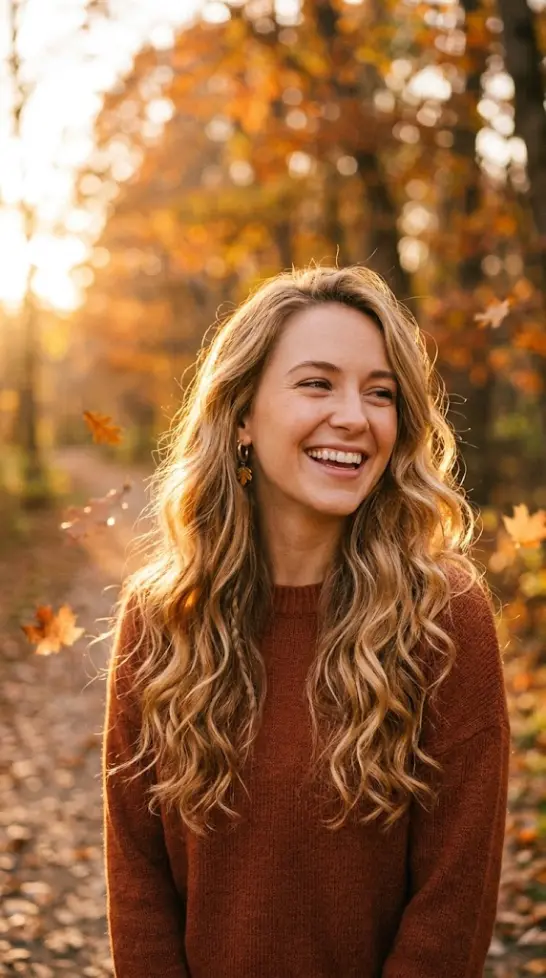
Warm, sun-kissed blonde with a golden cast, softer and less icy than platinum trends. Multi-tonal rather than one flat shade.
This is easiest to achieve starting from naturally blonde or light brown hair. Coming from dark hair, expect multiple sessions to lift safely. Warm and olive skin tones tend to look best with it; very fair, pink-toned skin can wash out unless the colorist adds lowlights for balance. It holds curls well and works as a wash-and-go blonde most mornings.
This trend needs more upkeep than it looks like it should. Root touch-ups land every six to eight weeks, and purple shampoo has to be used carefully, too much turns honey ashy or faintly lavender instead of warm. Bring photos taken in daylight rather than under salon lighting when you consult your colorist, honey tones shift a lot depending on the light source.
12. Rich Chestnut All-Over Color
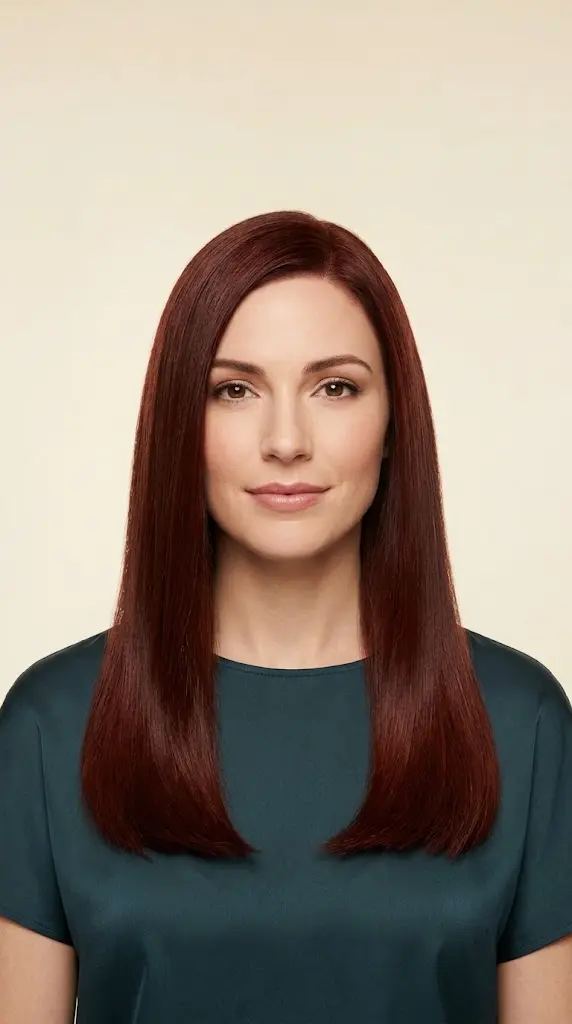
A deep reddish-brown, warm without tipping into copper, applied as one solid single-process color rather than a dimensional technique.
This is one of the most forgiving options on the list, since almost any hair type takes a solid color well. It’s a safe pick for anyone who wants a real change without committing to highlight upkeep. The warmth in chestnut flatters nearly every skin tone, which is part of why it’s a returning favorite each fall.
Maintenance is genuinely low, since there’s no contrast line to grow out awkwardly. If you have gray to cover, though, roots will start showing around six to eight weeks regardless of the color choice. Ask your colorist whether they’re applying it as a semi-permanent gloss, which fades gently with no visible line, or a permanent formula, which grows out more noticeably and needs a firmer touch-up schedule.
13. Strawberry Copper Blonde

A blend of strawberry blonde and copper, pinkish-orange and bright without going full red. It reads warm from across the room.
Fair to light hair takes this shade most directly; darker hair needs lightening first. It’s a universally warming color, especially flattering on fair and medium skin with pink undertones. It doesn’t need much heat styling, the color carries enough visual energy on its own.
This falls into the same fading category as other red-adjacent shades, plan on a color-safe conditioning mask weekly and a gloss every four to six weeks. One technical note worth knowing: colorists typically lay down a red base coat first, because without it, strawberry tones fade to pale yellow within a few weeks rather than staying pink.
14. Ash Mocha Brunette
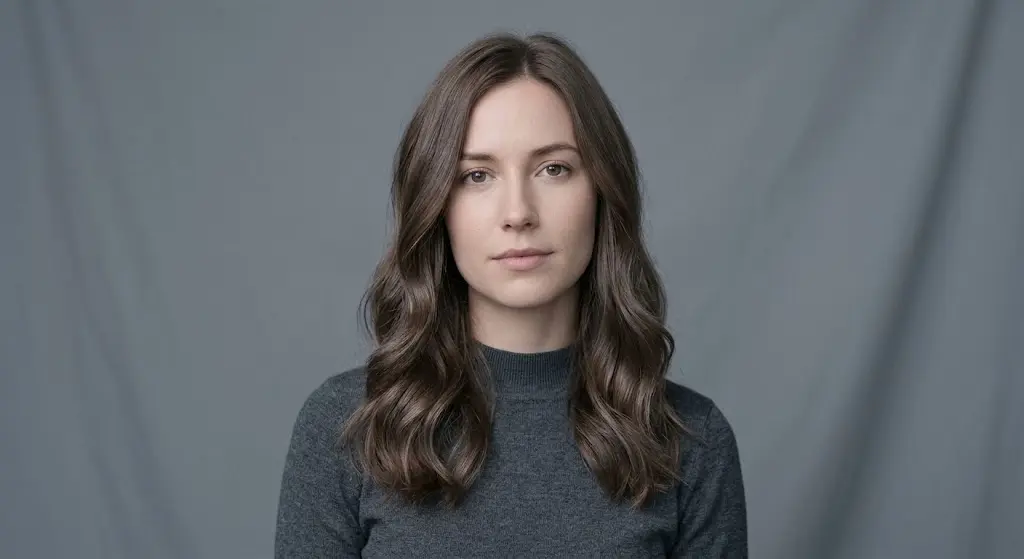
A cool medium brown with a faint smoky undertone, deeper and less flat than mushroom brown but still clearly cool-toned rather than warm.
Medium to dark natural hair takes to it well, particularly if you’re trying to neutralize red or brassy undertones from a previous color. Fair and rosy skin tends to pair nicely with it. On very warm undertones, it can look a little dull unless balanced with subtle highlights. Day-to-day styling is easy, nothing special required.
Interestingly, ash tones fade in the opposite direction from most colors, toward warmth rather than away from it, so a gloss every eight weeks keeps the smoky effect intact. If your hair has been colored warm before, say so upfront. Ash tones need careful pre-toning over warm pigment, or the result can turn muddy or slightly green.
15. Pumpkin Spice Copper
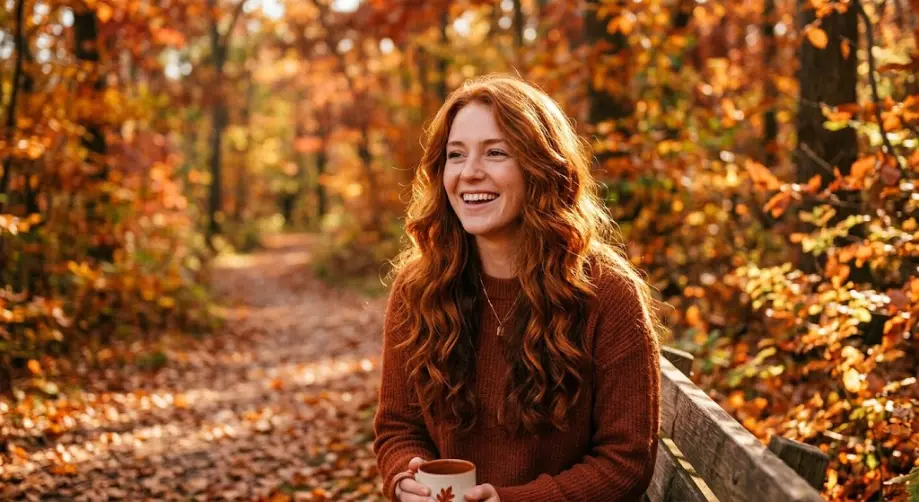
A warm burnt-orange copper, deeper and more brown-based than a true copper-red, closer to the color of actual pumpkin spice than to a traffic cone.
Medium to thick brunette or naturally auburn hair suits this well. It flatters medium and olive skin tones especially, and it’s a gentler option for anyone who likes the copper family but finds bright copper too intense. Waves bring out the depth nicely, and daily styling stays simple.
Because it carries more brown pigment than pure copper, it fades a bit more slowly, a gloss every six to eight weeks keeps it looking fresh. Ask your colorist to apply this as a gloss over your natural or already-colored brunette base rather than lightening first. It keeps the hair healthier and the resulting color richer.
16. Espresso Black Cherry

A near-black base with a deep cherry-red reflect that only shows in direct light. The most subtle color-changer on this list, day to day it can look like a regular deep brunette.
Dark brunette to black natural hair is the easiest starting point, and because the shift from natural color is small, this is genuinely low-commitment. There’s no undertone clash to worry about, which makes it close to universally flattering. Styling needs nothing beyond your normal routine.
This is one of the lowest-maintenance colors here. A gloss every ten to twelve weeks keeps the cherry reflect visible without letting it fade to plain black. When you book, be clear that you want the red “reflective only,” not fully visible red, so your colorist keeps the pigment concentrated and doesn’t oversaturate into an obvious burgundy.
Styling & Maintenance Advice
Color-treated hair and high heat don’t mix well, even when a color looks stable. Heat opens the cuticle further and speeds up fade, especially on lightened blondes and coppers where the hair is already more porous. A heat protectant isn’t a nice-to-have here, it’s the difference between a color lasting six weeks or four.
Trim every eight to ten weeks. Split ends grab and hold color differently than healthy hair does, so damaged tips often look dull or slightly off-shade compared to the rest of the length, even when the color itself is fine.
On products: a sulfate-free, color-safe shampoo is worth the extra cost for any of the shades above. Purple or blue-toned shampoo belongs in the routine only for ash, mushroom, or cool-toned shades, using it on a warm color like butterscotch or pumpkin spice copper will dull the warmth you paid for. UV protectant spray matters more than people expect in fall, plenty of sun exposure still happens through October.
Frizz tends to increase after any lightening service, since the process raises the cuticle and makes hair more porous. A lightweight oil or leave-in conditioner on the ends helps more than a heavier styling cream, which can weigh color-treated hair down.
If your hair has felt limp since a color appointment, that’s common on fine hair after a gloss or lightening service. A root-lifting mousse applied at the root before blow-drying helps counter it.
For beginners styling dimensional color at home: rough-dry hair most of the way before using a flat iron or curling wand. Going in with a tool on fully wet hair tends to blend highlights and lowlights into each other rather than let them show as separate pieces. Keep hot tools at 350–375°F on color-treated hair; higher settings speed up fade without adding much extra styling benefit.
What to Ask Your Stylist
Bring two or three reference photos, ideally taken in different lighting, since color shifts a lot between daylight and indoor photos.
Mention your full color history, including any box dye, even if it was years ago. Leftover pigment affects how a new color processes.
If you’re going more than two shades lighter, ask for a strand test first. It adds a few minutes to the appointment and tells you both what to expect before committing your whole head.
Ask directly whether a color is being applied as semi-permanent, demi-permanent, or permanent. Each fades and grows out differently, and that distinction affects how easy the color is to change again later.
For any highlighting technique, ask where the placement starts. “Ask for softer internal layering instead of heavy face-framing pieces if you want the color to grow out without a hard line,” is a genuinely useful phrase to bring into a consultation if low-maintenance matters to you.
If you’re protective of hair health, ask whether the colorist can achieve the look with a gloss or low-lift formula instead of full lightening. It’s not always possible, but it’s worth asking before assuming bleach is required.
Common Mistakes
Going too light too fast is the most common one. Jumping several levels in a single visit is hard on hair, and a colorist who refuses to do it in one sitting is usually protecting you, not stalling.
Using purple shampoo on a warm shade. It’s formulated to cancel out yellow and orange, which means it also cancels out the warmth in colors like butterscotch blonde or toffee highlights. Save it for ash and cool-toned shades only.
Skipping gloss appointments and letting red or copper fade unchecked. By week six or seven without a refresh, copper often drifts toward brass or dull orange rather than staying vibrant.
Choosing a color based on a photo without checking the lighting it was taken in. Colors shift noticeably between studio lighting, natural daylight, and phone camera filters, what looks perfect in a photo can look different walking out of the salon.
Not accounting for your natural regrowth pattern before choosing a high-contrast placement like a money piece. If your natural color grows in fast or has a lot of gray, a bold contrast will need more frequent upkeep than a softer, blended approach.
Washing hair too soon after a color service. Most colorists recommend waiting 48 to 72 hours, since the cuticle needs time to fully close and lock the pigment in.
Using hot tools without a heat protectant on freshly lightened hair. Newly lightened strands are more porous and heat-sensitive than usual, and skipping protection here shows up as dullness within days.
FAQ
How long does balayage actually last before I need a touch-up?
In my experience, balayage itself grows out gently and doesn’t need a full redo for three to four months. What does need attention sooner is the tone. A gloss every six to ten weeks, depending on the shade, keeps the color from drifting brassy even though the placement is still fine.
Will fall colors fade faster than the colors I wore in summer?
Not because of the season itself, but sun exposure through early fall is still significant, and chlorine or salt water from late-summer swimming can linger in the hair’s porosity. If you colored right after a beach trip, don’t be surprised if it fades a little faster than expected.
Can I go from black or very dark hair to a warm brunette like chestnut or auburn in one appointment?
Sometimes, but I wouldn’t count on it. Lifting dark hair safely often takes more than one session, and a colorist who wants to split it into two visits is usually trying to protect your hair’s condition, not upsell you.
Is copper hair really that hard to maintain?
Compared to a brunette or cool blonde, yes. Red pigment molecules are larger and don’t hold as long in the hair shaft, so copper and red-based shades fade noticeably faster than other tones. If you don’t want to think about it every month, a color with more brown in the base, like pumpkin spice copper, holds up longer than a pure copper red.
Who should think twice about heavily layered hair color, like a money piece or root melt?
If your hair grows in with a lot of gray at the part or you don’t want to be back in the salon chair every couple of months, a high-contrast, heavily layered placement isn’t the easiest choice. A softer, more blended technique like balayage or a full single-process color will look intentional for longer between visits.
What’s the healthiest way to lighten dark hair for these lighter trends?
Multiple sessions with conditioning treatments between them, rather than one aggressive lift. It takes longer, but it’s the difference between hair that still has some elasticity afterward and hair that snaps.
Do any of these colors work well on curly hair?
Most of them do, though curly hair tends to show dimension differently than straight hair. Balayage and root-melt techniques often look especially good on curls, since the natural movement highlights the gradient. Solid, single-process colors like rich chestnut also read beautifully on curls without needing extra styling.
If this touches on something you’re dealing with personally, like hair damage or a color correction gone wrong, a licensed colorist who can see and touch your hair in person will always give you better guidance than anything written here.
Final Thoughts
None of these sixteen shades is objectively “the” trend this fall, they suit different hair types, different upkeep budgets, and different levels of patience for salon visits. If you tend to skip appointments, lean toward the lower-maintenance end of the list, mushroom brown, rich chestnut, or espresso black cherry. If you don’t mind a monthly gloss and want real impact, copper and plum are worth the extra effort.
The most useful thing you can do before booking is talk to your colorist honestly about how much upkeep you’re actually willing to do, not how much you’d like to be willing to do. That conversation usually matters more than the reference photo.