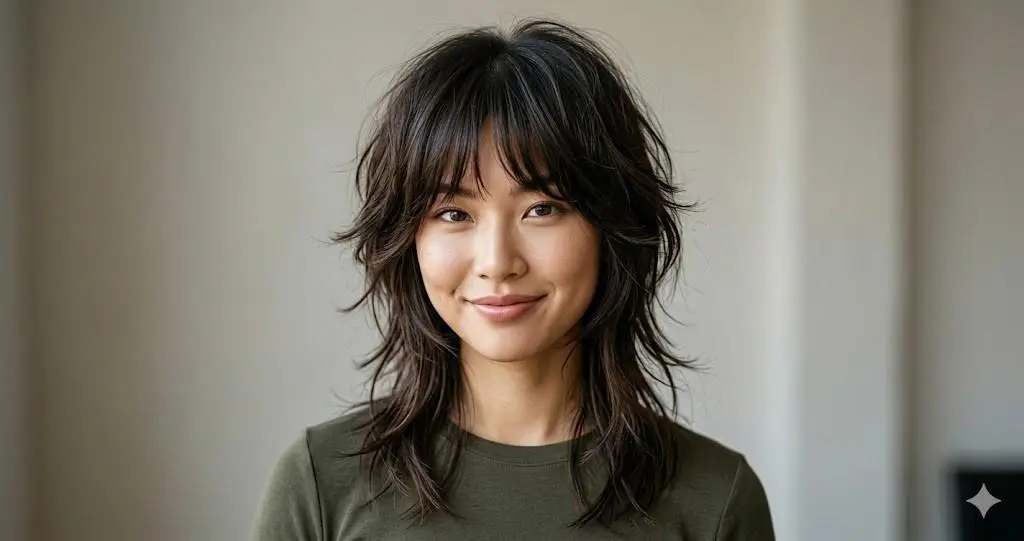
Mornings are a masterclass in time management. Between the search for a matching sock, the argument over breakfast, and the last-minute scramble for homework, standing in front of a mirror with a curling wand for forty-five minutes is simply not on the syllabus. Yet, showing up with flat, uninspired hair can set the wrong tone for a day of presentations and pep rallies. The solution lies not in waking up at dawn, but in mastering the art of the strategic, simple updo and the clever twist. The current beauty landscape has shifted away from high-maintenance blowouts toward styles that embrace natural texture, clever pin placement, and a relaxed, “I just threw this together” aesthetic. These looks are designed to withstand the rigors of the day—from first-period gym class to afternoon study hall—while maintaining a polished, camera-ready finish that keeps hair out of your face and your focus on the whiteboard. Here are twenty fail-proof, genuinely easy hairstyles that deliver maximum impact with minimal effort.
1. The Classic Low Loop-Through Pony
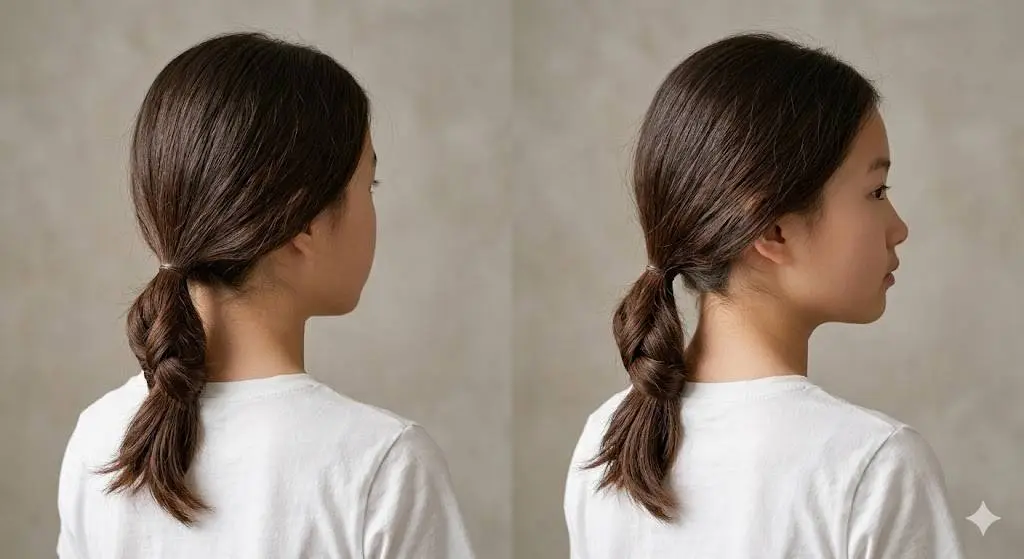
There is a fine line between a basic ponytail and a stylist-approved twist, and the loop-through detail straddles it perfectly. This style begins with a sleek or softly brushed low ponytail secured at the nape of the neck with a discreet elastic. The magic happens when you create a small division in the hair just above the elastic and flip the tail upward and through that opening, pulling it halfway to create a soft, tucked loop rather than pulling it entirely through. The resulting shape offers the security of a bun with the soft drape of a ponytail, eliminating the harsh pull of a standard tie. It is exceptionally flattering on oval and heart-shaped faces as the low placement elongates the neck without adding width to the temples. The texture is key here; second or third-day hair with a hint of natural oil at the root provides the perfect grip for the twist, preventing flyaways without the need for heavy product. This style is trending because it photographs beautifully from the side and back, offering a dimensional silhouette that looks far more complex than the thirty seconds it actually requires to execute.
2. The Messy Crown Knot
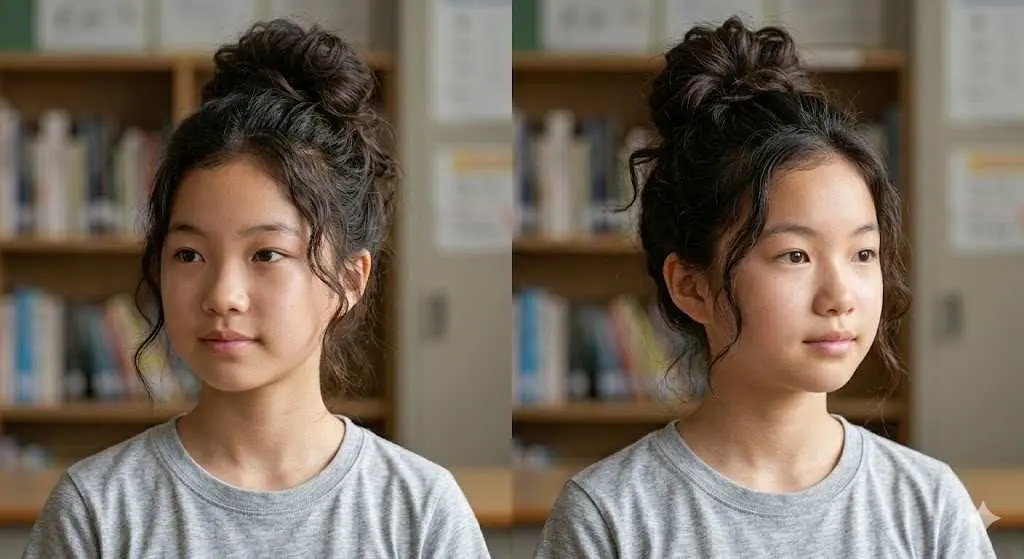
Elevating the topknot from the sweaty yoga studio to the polished hallway involves a shift in placement and a specific type of undone finish. The messy crown knot sits high and proud, anchored directly at the crown of the head where it can catch the light and add subtle height to the profile. Instead of twisting the hair into a tight, headache-inducing coil, this method relies on gathering the hair into a high ponytail and loosely wrapping the length around the base in varying directions before pinning with oversized bobby pins. The aim is not symmetry; a few escaping tendrils around the temples and the nape are essential to soften the look and frame the jawline. This shape works miracles for round and square face shapes because the vertical volume at the crown visually elongates the face, balancing out wider cheekbones. The texture should be lived-in—think a soft wave or a slight kink from yesterday’s braid—as this provides the necessary friction to hold the knot in place without sliding. It remains a dominant trend due to its versatility; it looks just as appropriate with a blazer and loafers as it does with a hoodie and sneakers.
3. The Half-Up Slipknot
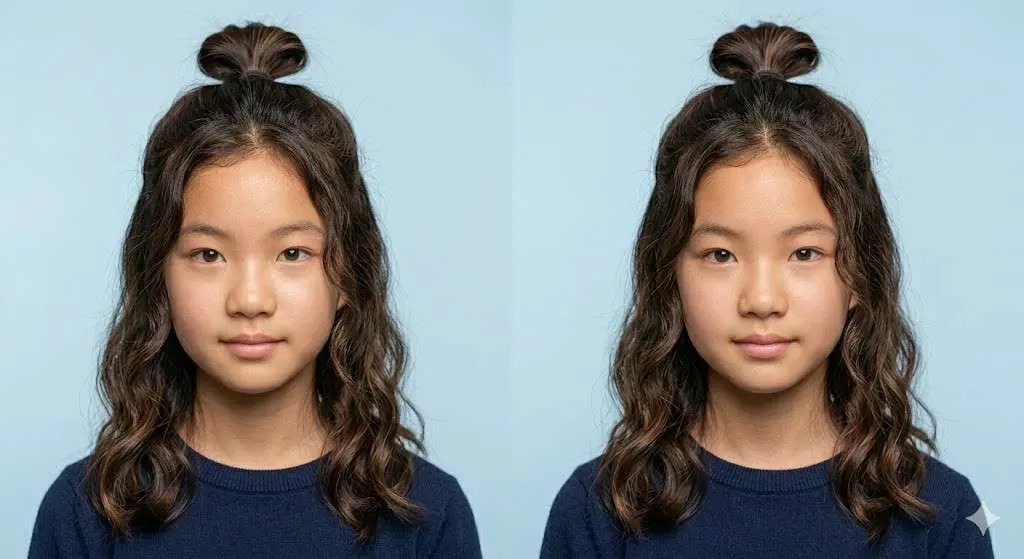
For those who want the security of hair off the face without losing the cascading length, the half-up slipknot is the reigning champion of easy styling. This technique involves sectioning the hair from the temples upward, gathering it at the back of the crown, and securing it with a clear elastic. Instead of leaving it as a plain half-pony, you create a small opening above the tie and flip the ponytail downward into the void, pulling it tight to create a small, textured knot that sits flat against the scalp. The tension of the knot adds a subtle lift to the roots, creating the illusion of fuller, thicker hair at the crown. This look is universally flattering across all face shapes because the front portion is secured while the long layers below soften any harsh angles at the chin and jaw. The texture should lean toward soft and touchable; a quick spritz of dry shampoo at the roots before tying will amplify the grip and prevent the slipknot from sagging as the day progresses. It’s a favorite among students because it keeps flyaways completely tamed during a test or lab session without the weight of a full updo.
4. The Tucked French Braid Fauxhawk
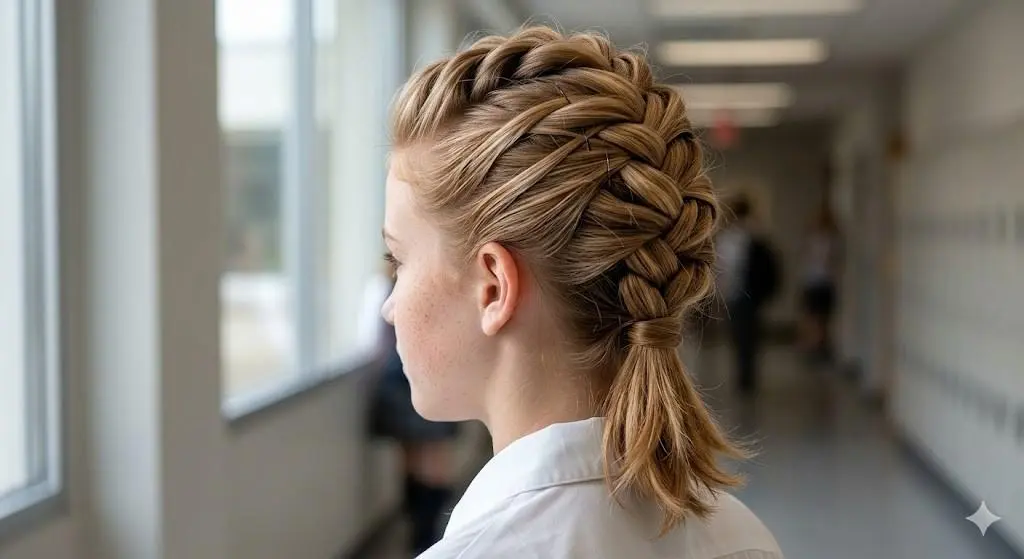
This style sounds elaborate but relies entirely on the “tuck and pin” method, requiring zero actual braiding skill. Begin by creating two deep side parts from the forehead to the crown, isolating a wide rectangular section of hair running down the center of the head. Take a small elastic and secure this center section into a low ponytail at the back of the head. Next, take the hair from the left side panel and pin it across the back of the head, covering the elastic and meeting the right ear. Repeat on the right side, pinning the hair across the left panel to create a layered, crisscrossed seam up the back of the skull. The result mimics the intricate ridge of a French braid mohawk but takes a fraction of the time. The structure adds significant volume and width to the back of the head, making it a dream for those with fine hair or narrow face shapes who want to create the illusion of density. The texture is best left slightly rough; smooth, slippery hair tends to slip out of the pins. A matte texturizing spray is non-negotiable for this look to ensure the cross-back panels stay locked in place through lunch and after-school activities.
5. The Twisted Side Rope
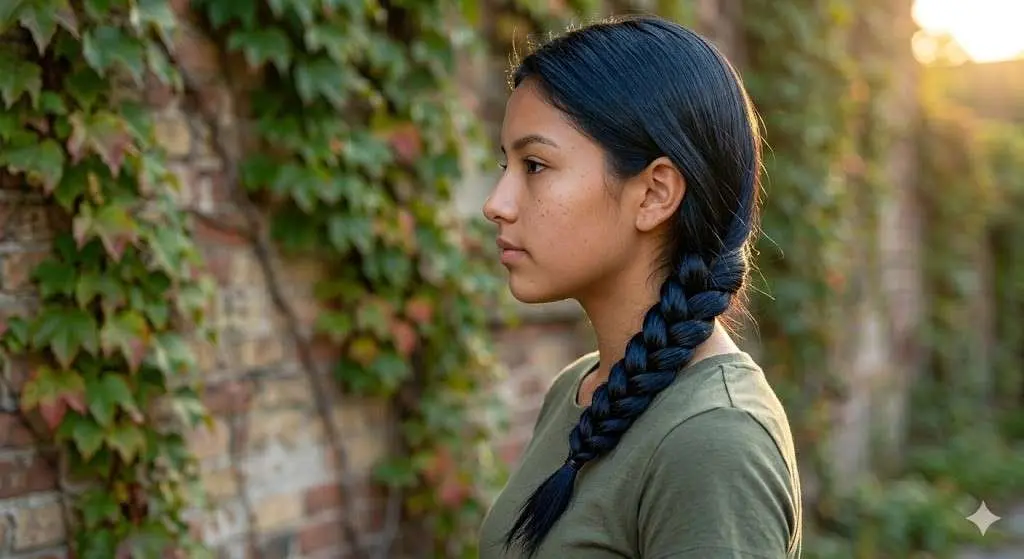
When the clock is ticking down to the final bell, a side-swept rope braid offers a directional, romantic alternative to the standard plait. This style involves gathering all the hair over one shoulder and dividing it into two substantial sections. Instead of a traditional three-strand braid, you twist each section tightly clockwise, then wind them together counter-clockwise, securing the end with a clear band. The resulting twist holds its shape far better than a loose braid and creates a distinct spiral pattern that catches light beautifully. It is an exceptionally flattering choice for long and rectangular face shapes because the asymmetry of the side placement breaks up the vertical line of the face, adding softness at the cheekbone. The style feels inherently beachy and effortless, especially when the ends are left un-twisted and feathered. The secret to making this rope look editorial rather than juvenile is gently pancaking the twists—using your fingers to lightly tug at the outer edges of the rope to widen it and make it look fuller and more lived-in.
6. The Clean Line Headband Tuck
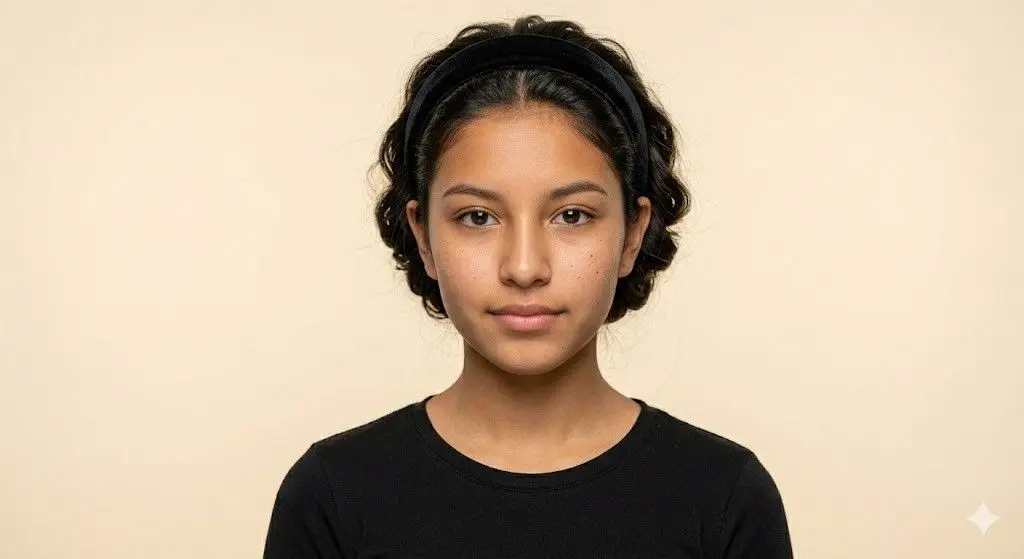
Sometimes the best hairstyle is the one that utilizes an accessory as the main event, and the padded headband has become the unsung hero of school morning chaos. The technique is deceptively simple: place a structured, fabric headband over the head, positioning it about an inch back from the hairline. Instead of letting the hair hang limp beneath it, take small, one-inch sections of hair and loop them up and over the headband, tucking the ends under the band at the back of the crown. This creates a faux updo, a soft roll of hair that encircles the back of the head without a single pin or elastic. The look exudes a polished, classic elegance that works best with hair that has a bit of wave or natural bend; pin-straight hair may slide out from under the fabric. It is a lifesaver for those with diamond or oval face shapes, as it pulls the hair back to reveal the cheekbones while the headband adds a pop of color or texture. It is trending because it protects the ends of the hair from friction and rubbing against backpacks and chair backs, acting as a protective style disguised as a fashion statement.
7. The Loose Bubble Pony
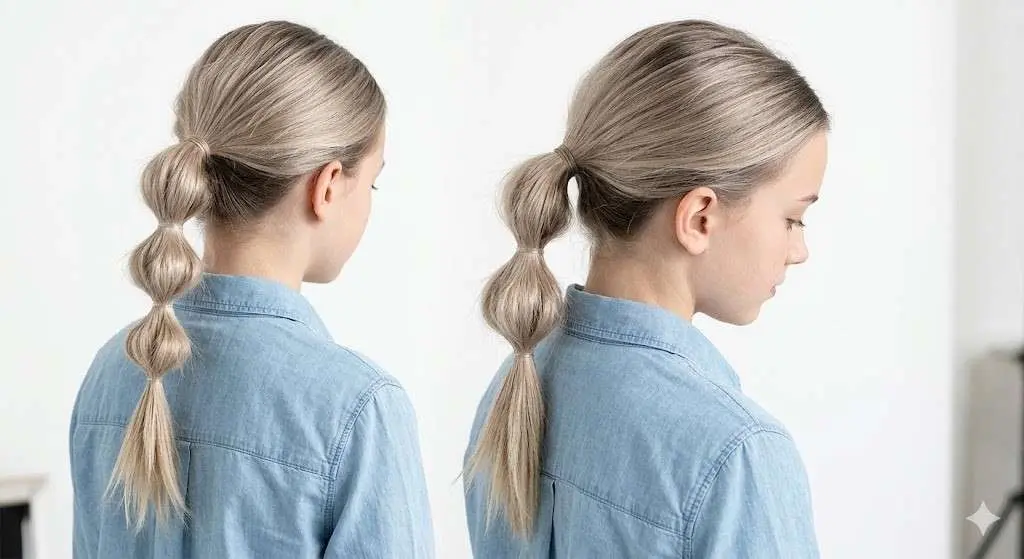
The bubble ponytail has evolved from a rigid, tightly-spaced novelty into a soft, wearable accent for long hair. To achieve the modern iteration, start with a low or mid-height ponytail that sits at the occipital bone. Ensure the hair is smooth at the crown but not shellacked with product. Using small, clear elastics, tie off the ponytail every three to four inches down the length. After tying each band, use your fingertips to gently tug and pull at the hair between the elastics to create a soft, rounded “bubble” shape. The key to keeping this school-appropriate is restraint; two to three bubbles are sufficient to add interest without looking like a costume. This style is a godsend for those with ultra-thick, heavy hair because it breaks up the weight of the ponytail, preventing the sagging that often occurs by third period. The visual breaks in the length also add dimension and the illusion of movement, making the hair appear more voluminous and textured than it actually is.
8. The Claw Clip French Twist
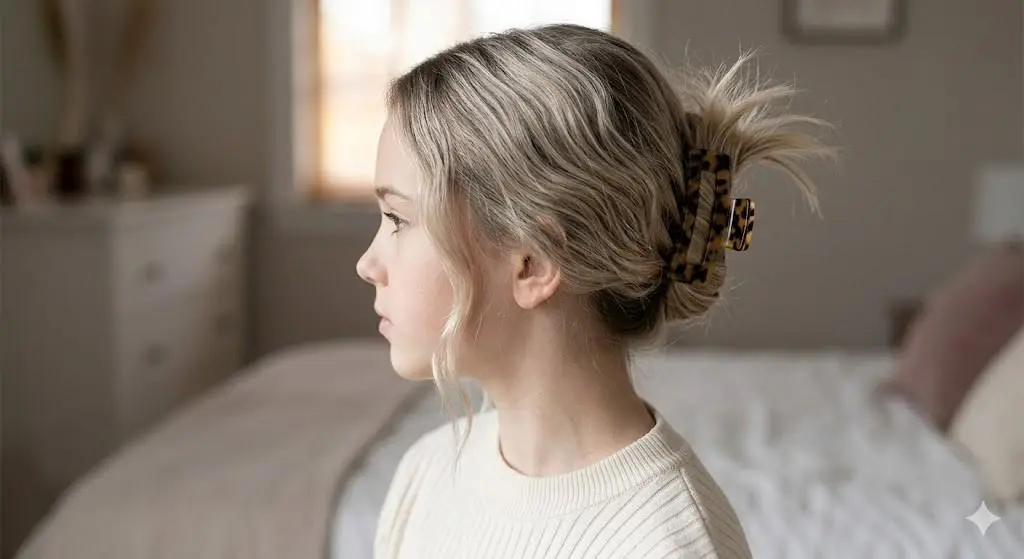
The claw clip has officially shed its reputation as a relic of late-night snacking and emerged as the chicest tool in the drawer. The modern French twist variation is less about a perfect vertical roll and more about a relaxed, gathered fold. Gather the hair at the nape of the neck as if preparing for a low ponytail. Hold the gathered hair with one hand and twist the length upward once, creating a vertical roll of hair against the back of the head. Open the claw clip and secure it over the twist, clamping the roll of hair flat against the scalp. The ends of the hair can fan out over the top of the clip, creating a cute, feathered burst of texture. This style is a neck-saver in hot classrooms and works best with medium to long hair. The choice of clip matters significantly; a smaller, matte acetate clip in tortoiseshell or a solid neutral blends seamlessly into the hair, while a metallic clip adds a deliberate accessory moment. It offers a sophisticated, no-fuss silhouette that flatters heart-shaped faces by keeping the volume concentrated at the back of the head.
9. The Face-Framing Waterfall Accent
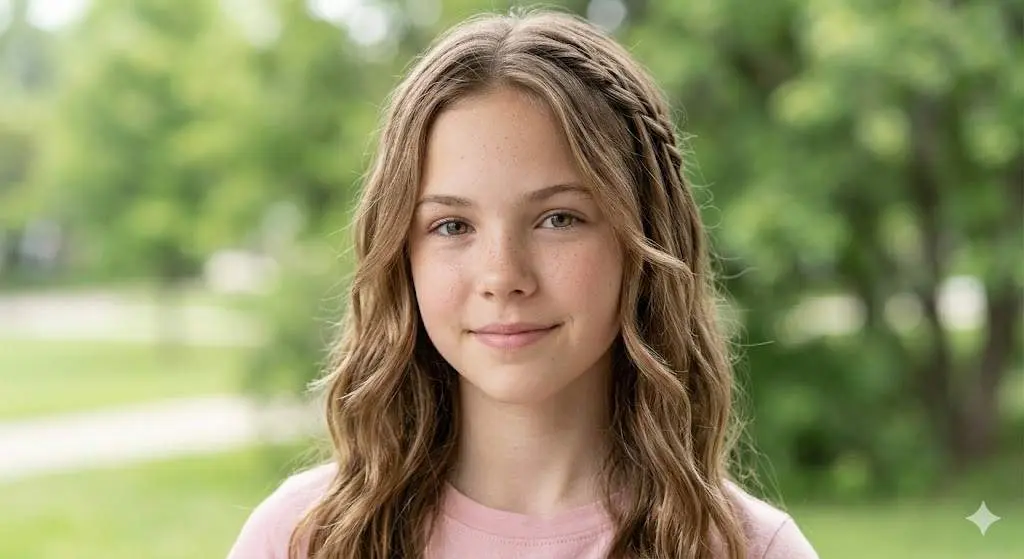
The full waterfall braid can be a daunting, time-consuming endeavor, but the accent version takes less than a minute. Starting at the temple on the heavier side of your part, take a thin section of hair and create a standard three-strand braid for about two inches. Then, instead of braiding all the way down, drop the bottom strand and pick up a new piece of hair directly beneath it, continuing to braid horizontally across the back of the head for just another inch or two before pinning the braid discreetly behind the opposite ear. The rest of the hair hangs loose and free, with only this tiny, delicate chain acting as a visual frame. It requires minimal hair and is perfect for second-day hair that might be a bit flat at the crown. The texture should be loose waves; the braid will get lost in curly hair but shines as a contrast against straight or wavy lengths. It’s a subtle detail that looks incredibly intricate from the side profile and works beautifully for round faces by drawing the eye diagonally upward toward the temple.
10. The Neat Nape Tuck
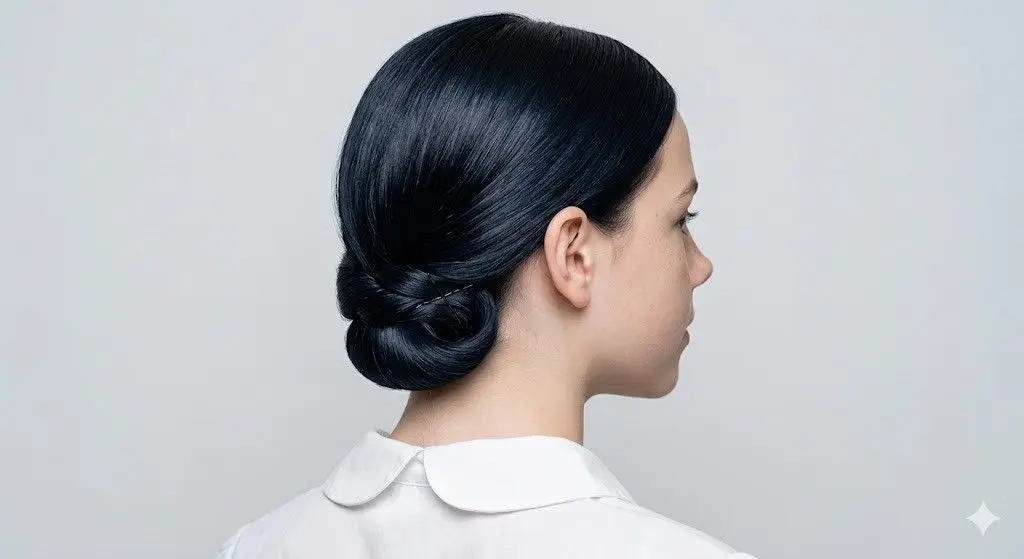
There is a specific kind of sophistication found in a simple, clean tuck that sits just below the ears. This style is not a ponytail and not a bun; it’s a folded-under finish that resembles a soft bob from the front. Begin by gathering the hair into a low ponytail at the nape, but do not secure it tightly. Instead, twist the length of the ponytail loosely and fold it upward against the back of the head, tucking the ends under the base of the ponytail and securing them flat with two crisscrossed bobby pins. The result is a smooth, rounded shape at the nape that feels both elegant and utilitarian. This is the ideal style for days when the weather is damp and hair is prone to frizzing outward; tucking it under controls the shape completely. It pairs exceptionally well with turtlenecks and collared shirts and is a fantastic option for square face shapes as the soft, rounded volume at the nape softens the angularity of the jawline.
11. The Double Mini-Bun Space Buns
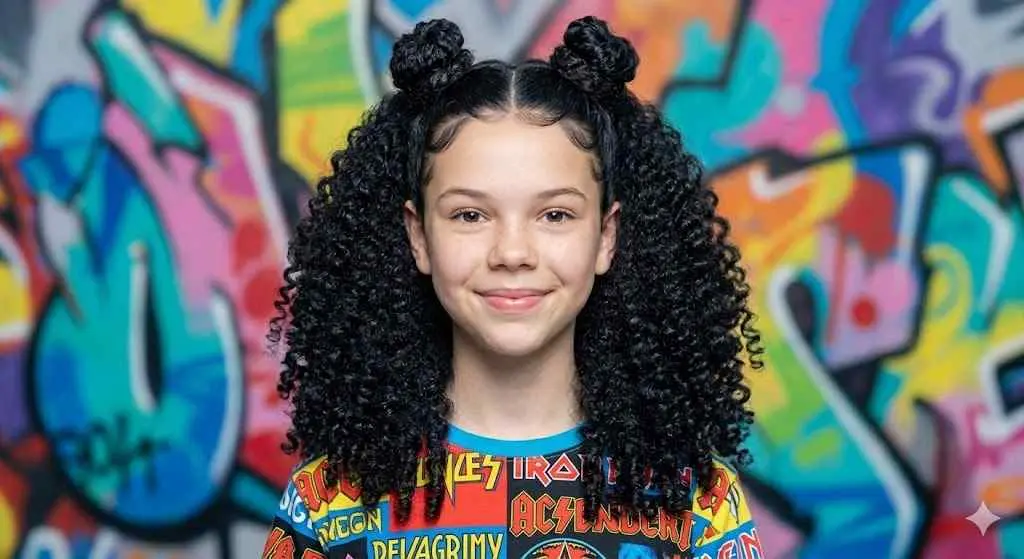
For a look that balances playful energy with practical restraint, the double mini-bun configuration is unbeatable. Part the hair sharply down the middle or zigzag for a softer look. Gather the top half of the hair from each side, just above the ears, and twist each section into a tiny, cinnamon-roll shaped bun at the crown. The bottom half of the hair remains completely loose, cascading over the shoulders. This style is a masterclass in face-framing; the height of the buns lifts the eye upward, making it a particularly flattering choice for those with long or rectangular face shapes who want to add width and a sense of playful volume at the temples. It keeps the front hairline completely clear—essential for science labs or art class—while the long, loose layers in the back maintain a sense of effortless femininity. A tiny bit of edge control applied with a mascara wand ensures the hairline around the buns stays smooth and polished throughout the school day.
12. The Sleek Side-Swept Low Pony
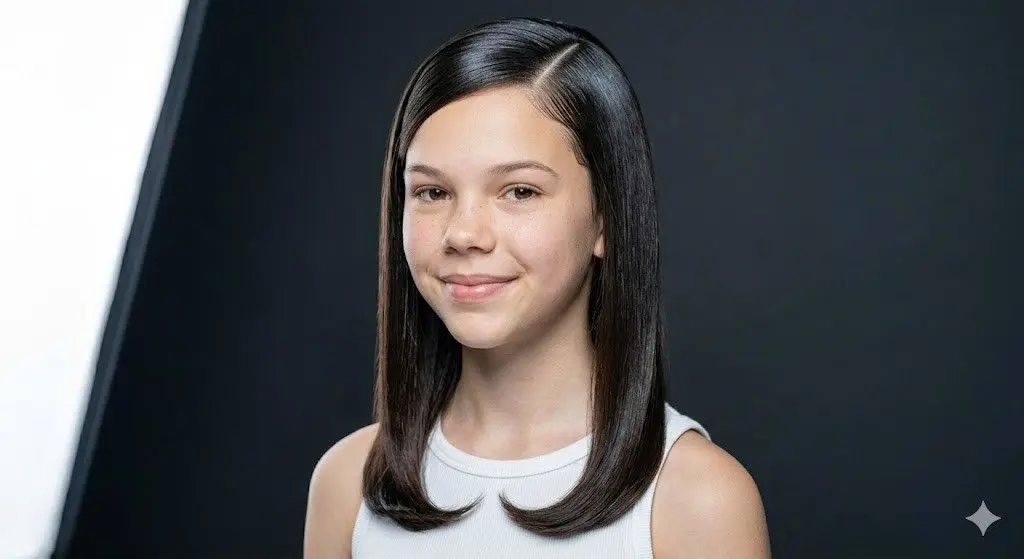
While the messy look has its place, the sleek side-swept pony delivers a dose of unapologetic polish that can elevate a simple jeans-and-tee uniform. The hair is brushed smooth and flat against the scalp, guided deeply to one side so that the ponytail hangs over one shoulder just above the collarbone. A tiny dab of lightweight serum or a mist of water is essential to tame baby hairs and create that glass-like finish at the roots without looking greasy. The ponytail itself can be straight and sharp or left with a subtle, relaxed bend at the ends. The extreme side part created by this style introduces asymmetry that softens the forehead and cheekbones, making it a power move for those with oval or heart-shaped faces. It is a favorite for presentation days or yearbook photos because it eliminates the distraction of hair in the face and reads as incredibly intentional and mature, all while taking under two minutes to perfect.
13. The Scrunchie Scarf Twist
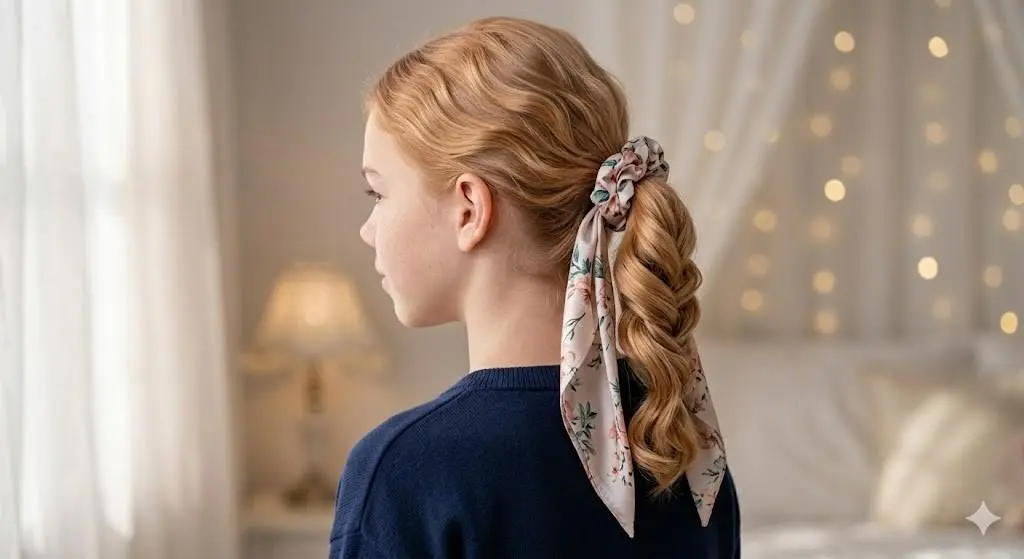
This style marries the comfort of a scrunchie with the visual interest of a hair scarf, creating a one-step accessory upgrade. Start with a basic ponytail—mid-height tends to work best for balance. Wrap the hair with a scrunchie that has long, silky scarf tails attached. Then, instead of leaving the hair plain, twist the ponytail into a loose, vertical coil and tuck the ends under the scrunchie, letting the scarf tails drape down over the hair. The fabric adds a pop of color and movement without the need for additional pins or styling tools. The look works best on hair that has a bit of natural wave or volume at the root to balance the weight of the accessory. It is exceptionally forgiving for those with wider foreheads or diamond face shapes, as the volume of the scrunchie adds width at the temples while the scarf draws the eye downward. It’s a particularly smart hack for hiding greasy roots or a less-than-fresh blowout, disguising the need for dry shampoo with a deliberate style choice.
14. The Pinned Back Micro Bangs Illusion
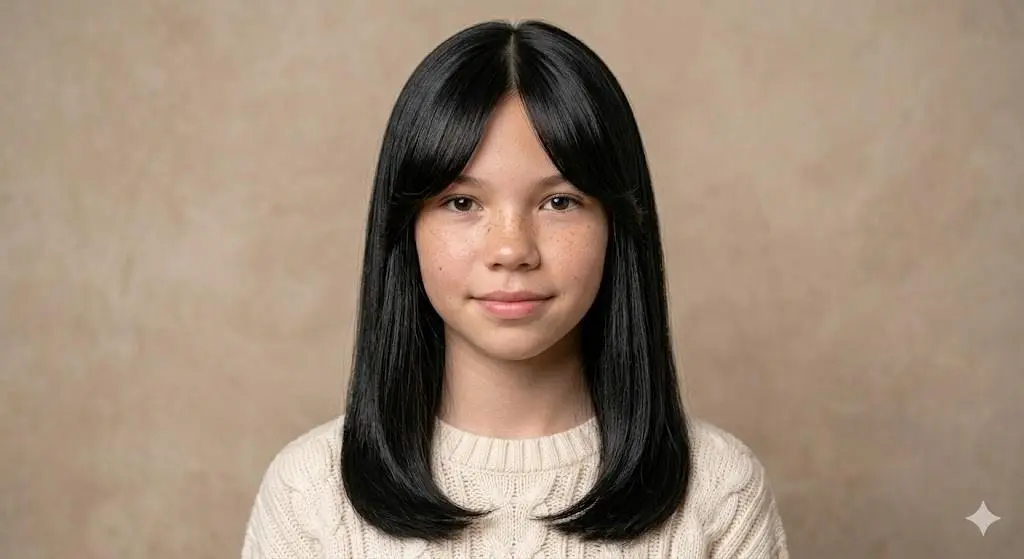
For anyone curious about bangs but unwilling to commit to the trim, this style creates the illusion of a fringe using only existing layers and pins. Take the front section of hair from the crown (roughly a two-inch deep triangle) and bring it forward over the forehead. Instead of pinning it to the side, you twist the ends under slightly to create a soft, rounded edge that mimics the shape of curtain bangs. Secure this “faux fringe” flat against the forehead with two crisscrossed pins hidden beneath the top layer of hair. The rest of the hair can be left down and wavy or pulled back into a low ponytail. This technique is a revelation for those with prominent foreheads or oblong face shapes, as it shortens the perceived length of the face and adds softness directly above the brows. The texture of the pinned section should be slightly textured with a wave spray to ensure it blends seamlessly with the rest of the hair and doesn’t look like a stiff, separate piece.
15. The Braided Headband Halo
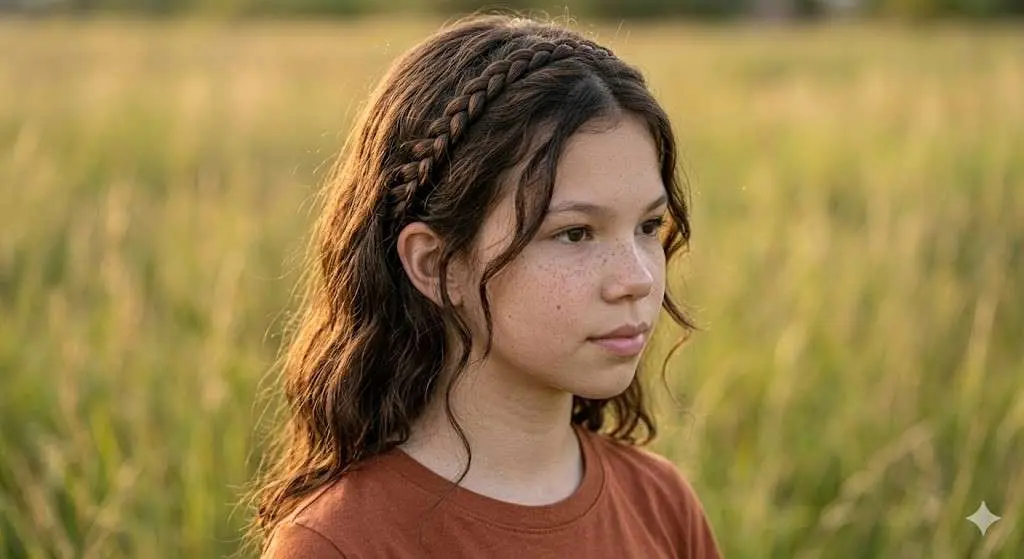
This is the ultimate solution for growing out awkward layers or bangs that are at that impossible in-between length. Take a one-inch section of hair from directly behind the ear on one side. Braid it into a tight, thin three-strand plait. Bring this braid up and over the top of the head, positioning it like a hairband about two inches back from the hairline, and pin it securely behind the opposite ear. The rest of the hair should be loose with a tousled, undone texture to contrast with the neatness of the braid. This style works magic for round and square faces because it lifts the top line of the head and creates a vertical focal point, effectively lengthening the face. It is trending as a “quiet luxury” hair detail because it looks like you spent an hour on your hair when, in reality, it is just one small braid doing all the heavy lifting. The texture contrast is key here: a sleek braid against beachy waves prevents the look from veering too Renaissance Faire.
16. The Low Twin Knots
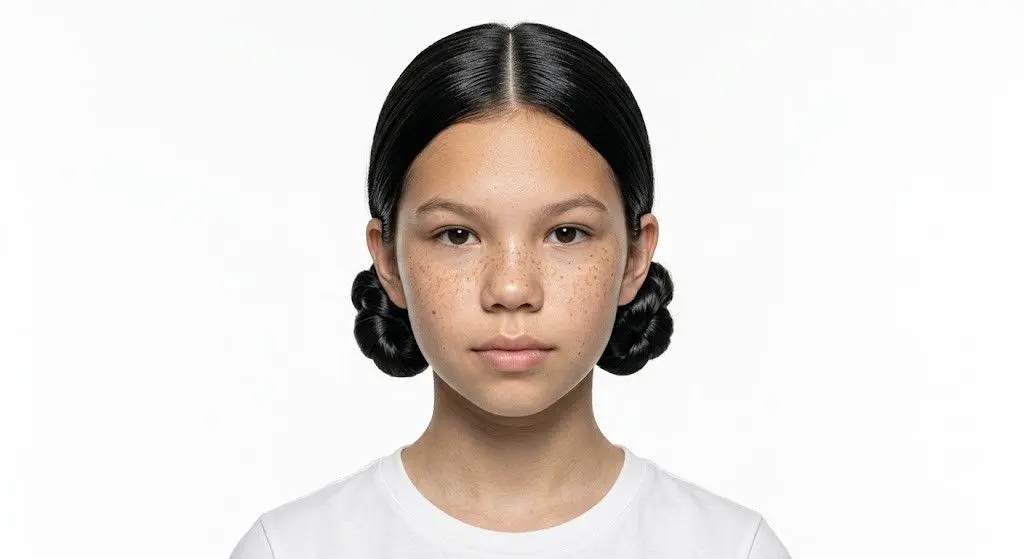
Moving away from the high energy of space buns, the low twin knots offer a more grounded, minimalist alternative. Part the hair cleanly down the center all the way to the nape of the neck. Gather the left half into a low ponytail and twist it into a flat, compact knot right behind the earlobe. Repeat on the right side. The key to modernizing this style is keeping the knots small and tight to the head, almost like two tiny, sculptural embellishments rather than full buns. This style is incredibly comfortable for studying or reading because there is no bulky hair pressing against the back of the headrest. It showcases the jawline and neck beautifully, making it an excellent choice for those with defined bone structure or heart-shaped faces. The texture works best when it’s slightly sleek at the roots but with a bit of separation in the ends of the knots, preventing the style from looking too severe or ballerina-esque.
17. The 3D Volumized Half-Up with Teasing
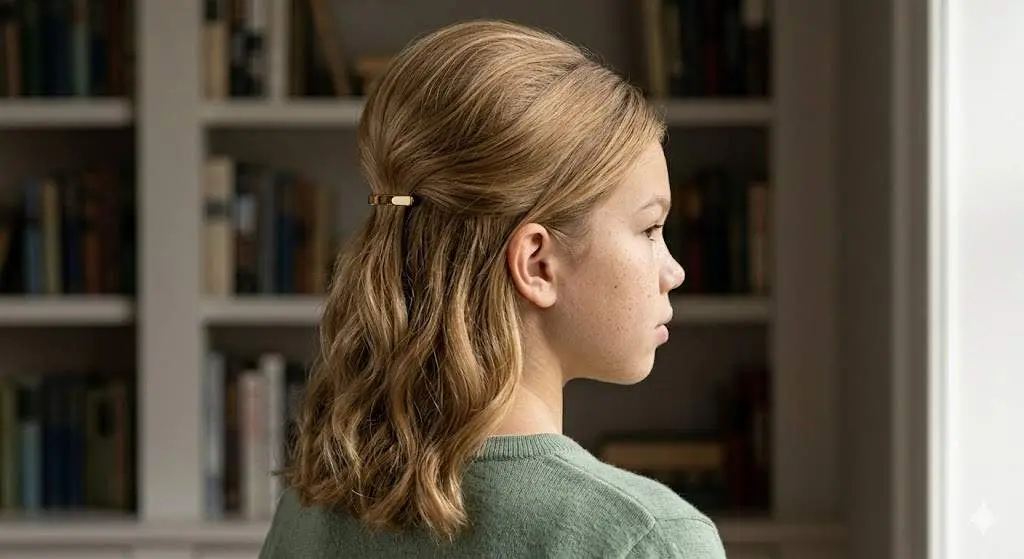
Flat hair is the enemy of a good school photo. The 3D volumized half-up style combats gravity with a single, strategic tease. Section off the hair from the crown of the head (the halo section). Take a fine-tooth comb and gently backcomb the underside of this section at the roots to create a cushioned base. Smooth the top layer of hair over the teased portion and secure it at the back of the crown with a small barrette or bobby pins. The result is a subtle, lifted dome at the back of the skull that adds height and drama without looking like a retro beehive. This added height is transformative for round and oval face shapes, balancing the proportions of the lower face. The look is grounded by leaving the bottom half of the hair with its natural texture, whether that be straight, wavy, or curly. It’s a technique borrowed from red carpet styling but scaled down for classroom-appropriate dimensions, relying purely on the structure of the hair rather than product for its hold.
18. The Slicked Baby Hair Edge Design
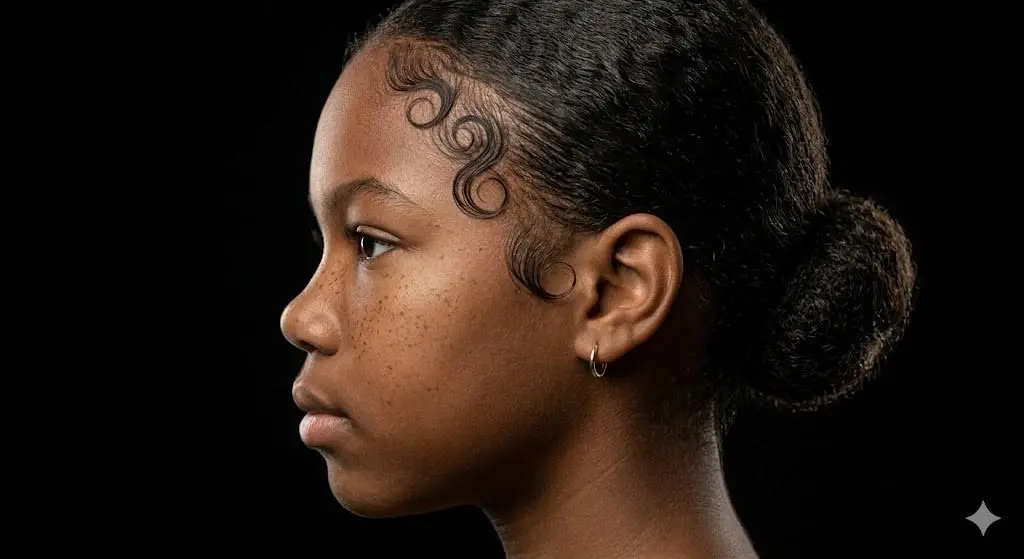
Sometimes the style isn’t about moving the length of the hair, but about how you treat the perimeter. The slicked baby hair edge design involves brushing the length of the hair back into a sleek, low bun or ponytail. The focus then shifts entirely to the hairline. Using a clean mascara wand or a small toothbrush sprayed with holding spray, the fine baby hairs around the temples and forehead are sculpted into deliberate, swirling S-curves or smooth, flat swoops. This technique provides a frame for the face without a single strand of hair hanging loose. It is an exceptional option for those with oval and diamond face shapes, as it clears the canvas completely and highlights the eyes and bone structure. It’s also a practical lifesaver in humid weather, where flyaways tend to ruin an otherwise sleek silhouette. The level of detail can be adjusted daily—a simple swoop for a test day, a more elaborate swirl for spirit week.
19. The Wrapped Elastic Camouflage
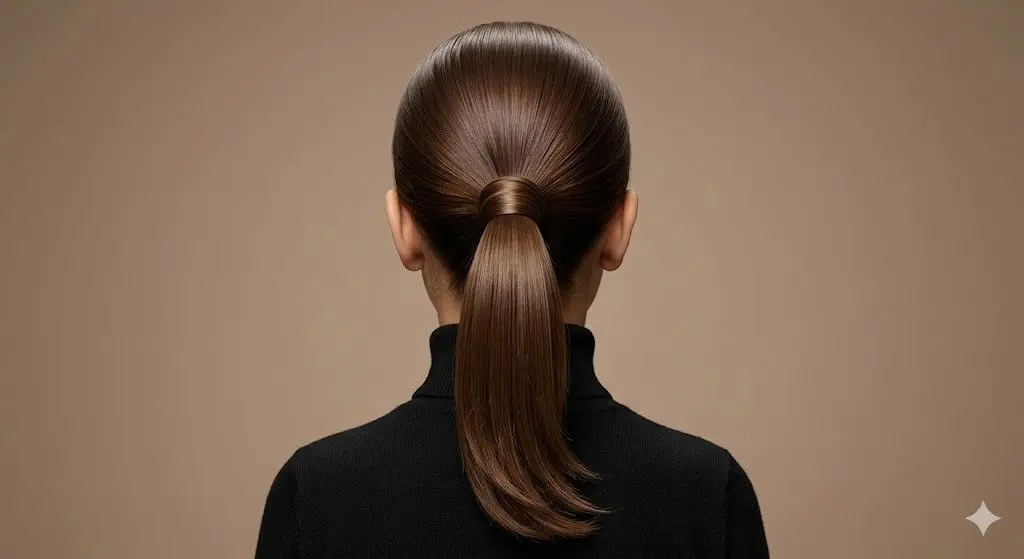
The sight of a plain black elastic band can sometimes cheapen an otherwise beautiful hairstyle. The wrapped camouflage technique is a thirty-second upgrade that makes a ponytail look custom-styled. After securing your ponytail or bun, take a small, pencil-thin section of hair from the underside of the ponytail. Wrap this strand tightly around the base, covering the elastic completely, and secure the end of the wrapped hair with a bobby pin slid upward into the base of the pony. The entire look is elevated instantly. This works for any face shape and any hair texture, as it’s a finishing detail rather than a structural change. It’s a hallmark of a well-executed style and proves that attention to the small details is what separates a rushed morning look from a thoughtful one. This trick works equally well on low, sleek ponytails and high, messy buns, adding a professional polish that lasts all day.
20. The Quick-Twist Side Clip
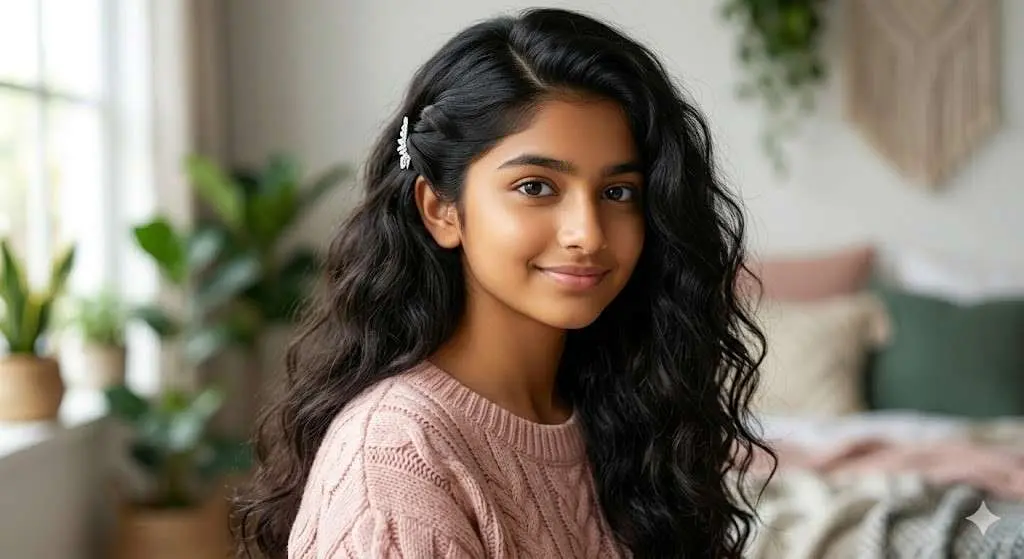
When all else fails and the clock is a zero, the quick-twist side clip is the emergency eject button that still lands gracefully. Take a two-inch section of hair from the heavy side of your part, just above the ear. Twist this section back tightly once or twice, allowing it to gather more hair from the temple as you go, and then secure it flat against the side of your head with a decorative jaw clip or a strong alligator clip. This simple action pulls the hair off the face on one side, creating an asymmetrical, windswept silhouette that looks intentional rather than harried. It is universally flattering, working to open up the eye area on round faces and soften the lines on square faces. The rest of the hair is left to air dry or fall however it wants, with the clip doing all the structural work. It’s the perfect style for those days when you hit snooze one too many times but still want to walk into homeroom looking like you have a plan.
Ultimately, navigating the school year with great hair shouldn’t feel like an advanced placement course in styling. These twenty techniques prove that the best looks are built on smart, time-efficient foundations that work with your hair’s natural tendencies rather than against them. By mastering a few strategic pin placements and twist variations, you can reclaim precious morning minutes while stepping onto campus with the confidence of someone who has their routine fully dialed in.