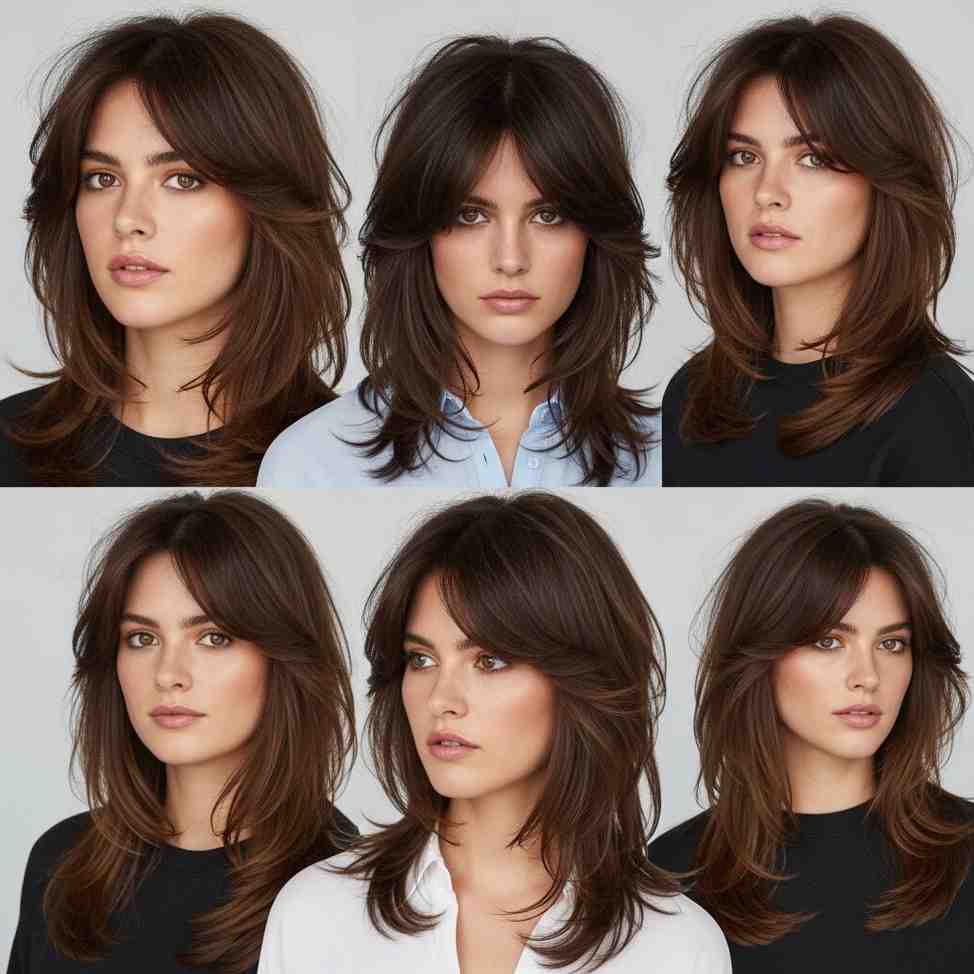
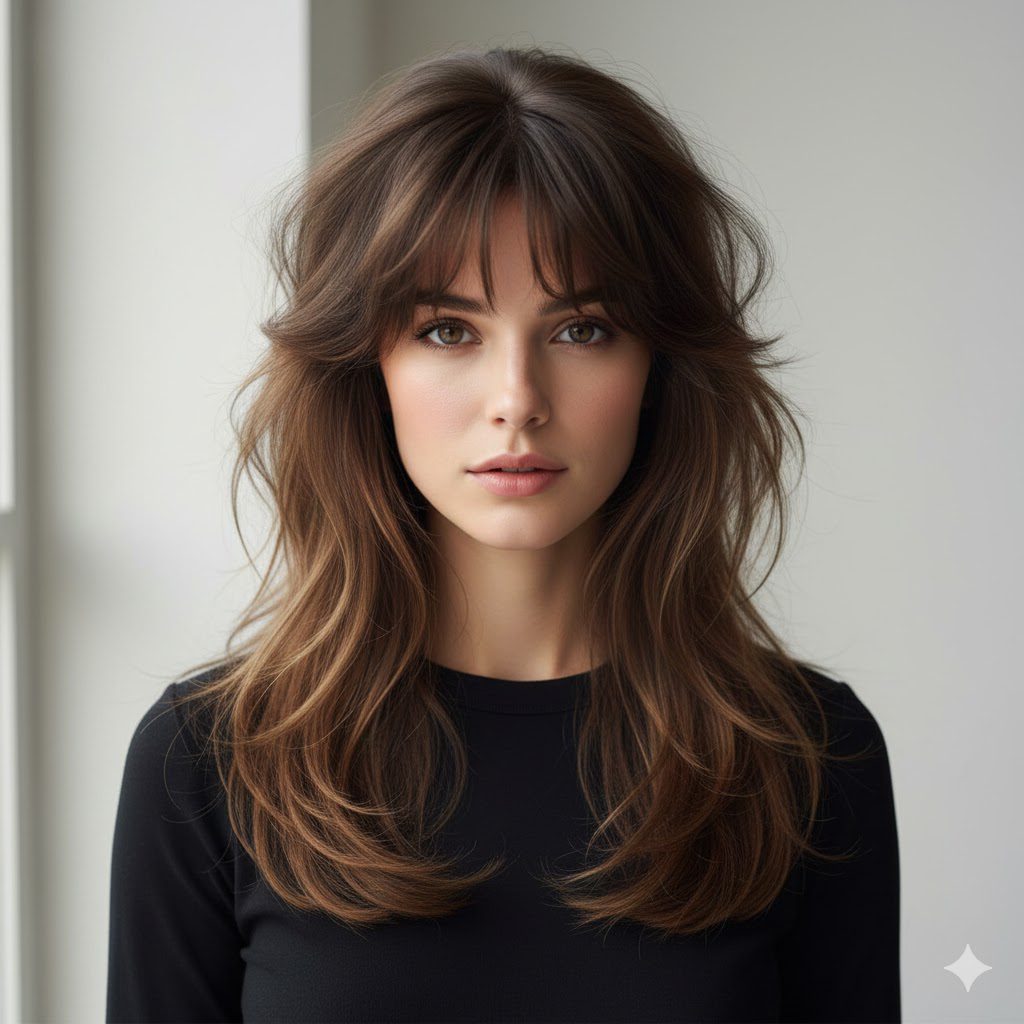
There is a specific moment in the salon chair—right after the first large section of length hits the floor—where you realize there is no turning back. It is equal parts exhilarating and terrifying. The layered bob has survived decades of shifting trends because it isn’t just a haircut; it’s a functional solution for hair that feels heavy, flat, or just plain tired.
But let’s be honest: not every layered bob you see on Instagram translates to real life. Most of those photos are shot with a ring light, a professional blowout, and—let’s face it—hair extensions. A great cut is one that survives your 7:00 AM commute and a humid afternoon. Whether you have pin-straight fine hair or dense, corkscrew curls, the secret isn’t just the length; it’s how the internal weight is managed.
Before you book that appointment, consider this: layers require commitment. They demand a bit of daily styling to look intentional rather than just “choppy.” If you aren’t prepared to use a round brush or a texture spray at least three times a week, a blunt cut might actually be your path of least resistance. But if you’re ready for the movement and shape that only layers can provide, here are 20 ways to navigate the bob.
1. The Soft-Graduated Nape Bob

This isn’t the severe, stacked bob of 2008. Instead, it features very subtle, almost invisible graduation at the nape to create a rounded shape. It works best for those with straight or slightly wavy hair who want a polished look without the “triangle” effect that happens when thick hair grows out.
- Styling: Needs a quick pass with a round brush.
- Maintenance: Expect a trip to the stylist every 6–8 weeks to keep the neck line crisp.
2. The Textured Shag-Bob Hybrid

Think of this as a bob that’s been through a rock-and-roll concert. It’s heavy on the razor-cut layers throughout the mid-lengths. If you have fine-to-medium hair and want to fake the appearance of massive volume, this is it. It’s intentionally messy, which means “perfect” hair is never the goal.
- Styling: Sea salt spray and a diffuser are your best friends.
- Drawbacks: If your hair is prone to extreme frizz, the razor cutting can make that worse if the stylist isn’t careful.
3. The Blunt-Edge Bob with Face-Framing Layers

This is the “gateway” bob. The perimeter is sharp and blunt, but there are soft, invisible layers around the front. It’s perfect for the person who wants the trendy look of a blunt bob but needs the movement of layers to soften a square or round face shape.
- Maintenance: Low. Because the bulk of the weight is at the bottom, it grows out gracefully.
4. The Long, Shattered-Layer Lob

For those terrified of going too short, the “lob” (long bob) with shattered ends is the safest bet. The layers are long, starting near the collarbone, which keeps the hair feeling heavy enough to hang well but light enough to flip.
- Best for: Someone transitioning from waist-length hair. It feels like a big change, but it’s still long enough to tie up on gym days.
5. The Curly Crown-Layered Bob

Curls need space to breathe. By adding layers specifically at the crown, you prevent the dreaded “pyramid” shape where the hair is flat on top and bushy at the ends.
- Expectations: You need a stylist who specializes in dry-cutting curly hair. Never let someone cut your curls soaking wet unless they are an expert.
6. The “Invisible Layer” Parisian Bob

This is all about internal weight removal. The exterior looks like a sleek, solid bob, but the stylist has taken thin, sliver-like sections from the inside to create a “C” shape. It’s effortless and chic, but it requires a very skilled set of shears.
- Maintenance: Moderate. As the layers grow out, the weight returns, and the shape will drop.
7. The Deep-Parted A-Line Layered Cut
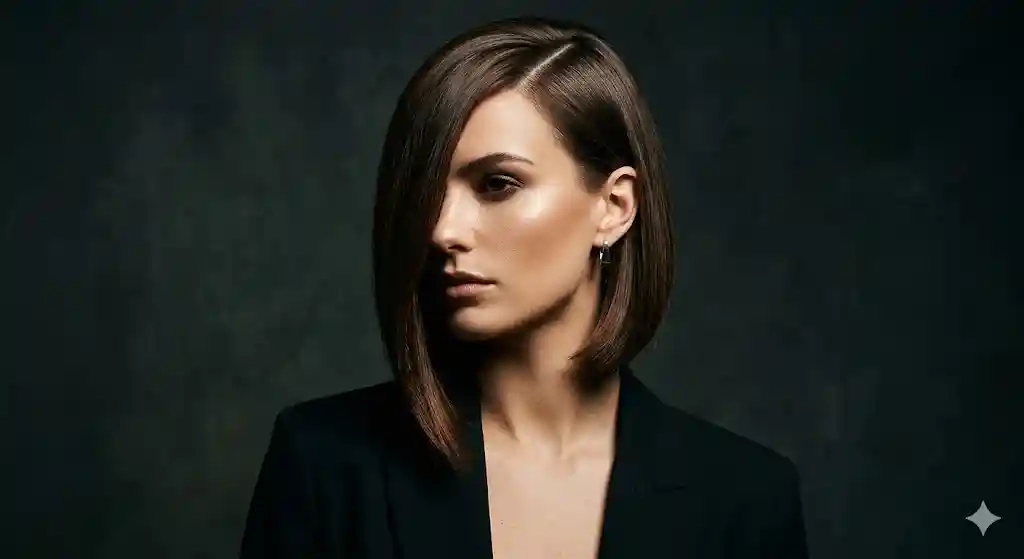
The drama comes from the extreme side part. The layers are kept long on the heavy side to frame the cheekbones, while the back is slightly shorter. It’s a great way to balance a heart-shaped face.
- Difficulty: You have to commit to the side part. If you’re a center-part loyalist, this might feel high-maintenance.
8. The Piecey “Beach” Bob

This cut relies on texturizing shears. It creates small, intentional gaps in the hair so that it looks “piecey” and light.
- Warning: Be careful if you have very fine hair. If you remove too much weight, your ends will look wispy and thin rather than beachy.
9. The Rounded Voluminous Bob

If you have dense hair that needs taming, this cut uses shorter layers in the back to “push” the hair into a rounded, bob shape. It’s a classic, sophisticated look that demands a decent amount of styling time.
- Styling: If you don’t have time for a blowout, your hair may end up looking like a helmet.
10. The Wispy-Bang Layered Bob

Adding fringe changes the entire geometry of a bob. The layers should be cut to blend seamlessly into the bangs. This is excellent for covering a high forehead, but keep in mind that bangs require trimming every 3 weeks.
11. The Feathered Retro Bob

A nod to the 70s, this cut features layers that are styled away from the face. It’s all about the “flip.” It looks incredible on people with thick, straight hair, but it’s a high-effort look that requires heat styling every morning.
12. The Undercut Bob

Yes, it’s still a thing. By shaving or tapering the very bottom layer at the nape, you remove a massive amount of bulk. This is a game-changer for people with incredibly thick hair who want a bob without the volume getting out of control.
13. The Asymmetrical Choppy Bob

One side is longer than the other, and the layers are deliberately uneven. It’s edgy and requires a “don’t care” attitude to pull off. It works best on straight hair where the lines of the cut are visible.
14. The Soft-Layered Wavy Bob

If you have natural waves, don’t over-layer. You only need a few long layers to break up the weight. This style is meant to be air-dried and left slightly “undone.”
15. The “Clavicle” Layered Cut

This hits exactly at the collarbone. It’s the perfect length because it’s short enough to feel like a bob, but long enough to clear the shoulders, meaning you don’t get that annoying “flip” at the ends from hitting your jacket or sweater.
16. The Blunt-Cut Interior Layered Bob

A hybrid: the bottom inch is perfectly blunt, but the hair underneath is layered heavily. It gives you the sharp, professional finish of a blunt bob with the manageability of a layered one.
17. The Curly Shag Bob

Specifically for 3C–4C textures, this cut is all about volume and shape. It’s rounded, layered, and celebrates the natural structure of the curl.
18. The Modern Rachel (Lite Version)

A subtle nod to the 90s, this features face-framing layers that start at the chin. It’s incredibly flattering for round faces because it draws the eye downward.
19. The Thin-Hair Volume Bob

For fine, limp hair, you want “blunt layers.” By keeping the edges blunt and only adding minimal, strategic layers at the crown, you create the illusion of thickness. Avoid “shaggy” layers—they will just make your hair look thinner.
20. The Long-Layered “Lob” with Curtain Bangs

The most wearable cut on this list. It’s essentially a grown-out bob that has been shaped with curtain bangs to keep it feeling fresh. It grows out better than any other style mentioned here.
Styling & Maintenance Advice
The biggest misconception about a bob is that it’s “low maintenance.” It’s actually higher maintenance than long hair. While long hair can be thrown into a messy bun when it looks bad, a bob needs to be “styled” to look like a style.
- Heat Styling: Invest in a quality heat protectant. Since you are cutting off the old, damaged ends, keep the new growth healthy.
- The “Awkward” Stage: Around week 10, your bob will hit your shoulders and start flipping out. This is when you need to book a trim or have a stash of bobby pins ready.
- Volume: If your layers feel flat, stop using heavy conditioning masks on your roots. A lightweight volumizing mousse applied to damp hair is usually enough.
What to Ask Your Stylist
Never go in with just a photo. Photos are misleading. Use these scripts:
- “I want a bob, but I’m worried about the ‘triangle’ shape. Can we focus on internal weight removal instead of outer layers?”
- “If I don’t style this every morning, will the layers look frizzy or just messy?”
- “How long will it take for this to grow out to a shoulder-length cut?”
Common Mistakes
- Removing too much weight: Many stylists over-thin fine hair. If you have fine hair, ask for texture without thinning.
- Going too short too fast: If it’s your first time, stay at the collarbone. You can always go shorter, but you can’t put the length back on.
- Ignoring the hairline: If you have a cowlick at the nape, a very short bob will make it stick out. Ask your stylist to account for your natural growth patterns.
FAQ
Q: Will a layered bob make my hair look thinner?
A: If the layers are too short or too many, yes. Ask for “long, connecting layers” to maintain the appearance of density.
Q: How often do I need a trim?
A: To keep the shape, every 6–8 weeks. If you let it go past 12 weeks, it will lose its “bob” status and turn into an awkward mid-length cut.
Q: Can I get a layered bob if I have naturally frizzy hair?
A: Yes, but you must be prepared to smooth the ends. Frizz is magnified by layers if they aren’t styled.
Q: Which bob is best for a round face?
A: A longer, asymmetrical bob or one with face-framing layers that sit below the chin. This elongates the face.
Q: Can I wear my hair up?
A: This depends on the cut. A very short, highly layered bob will leave short pieces falling out in the back. If you need a ponytail, go for a longer “lob” cut.
Final Thoughts
A bob is a style, but it’s also a commitment. It requires more frequent salon visits than long hair, and it requires you to actually use your hair tools. But the payoff? A sense of lightness and a modern, intentional look that long, one-length hair often lacks. Don’t look for the “perfect” photo to replicate—look for the cut that fits your texture and your morning routine.