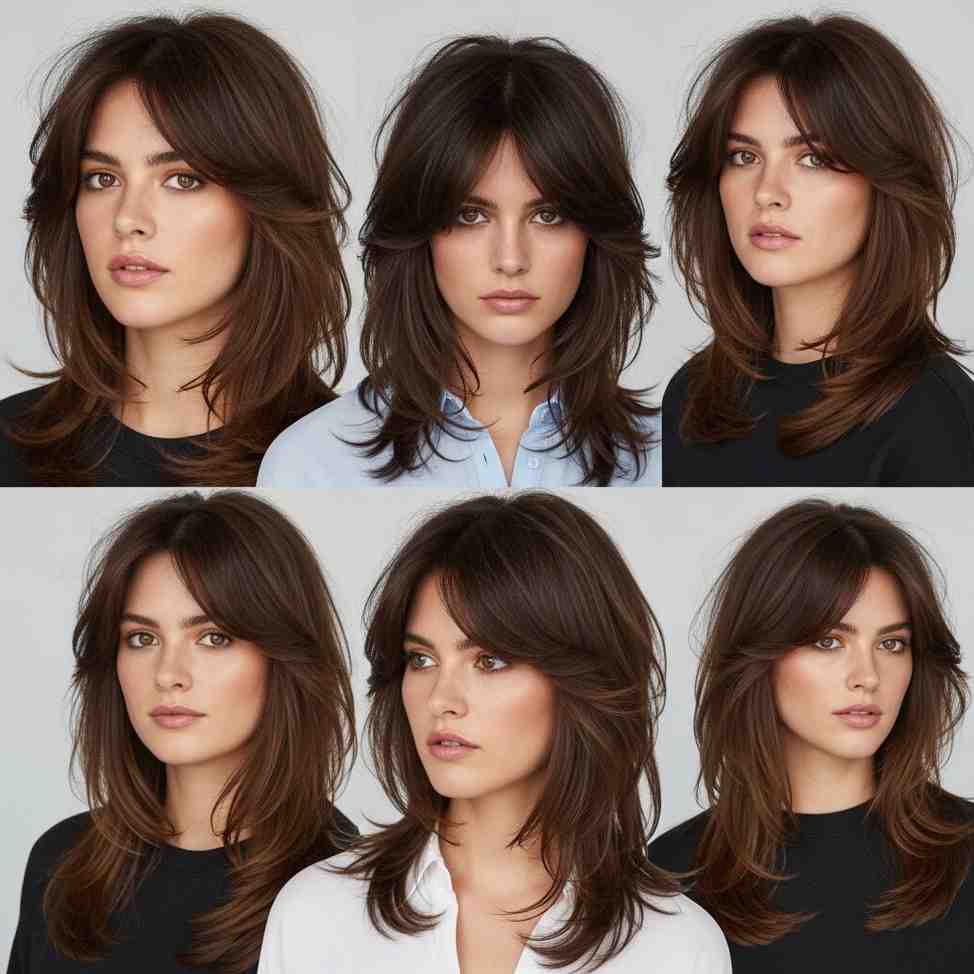
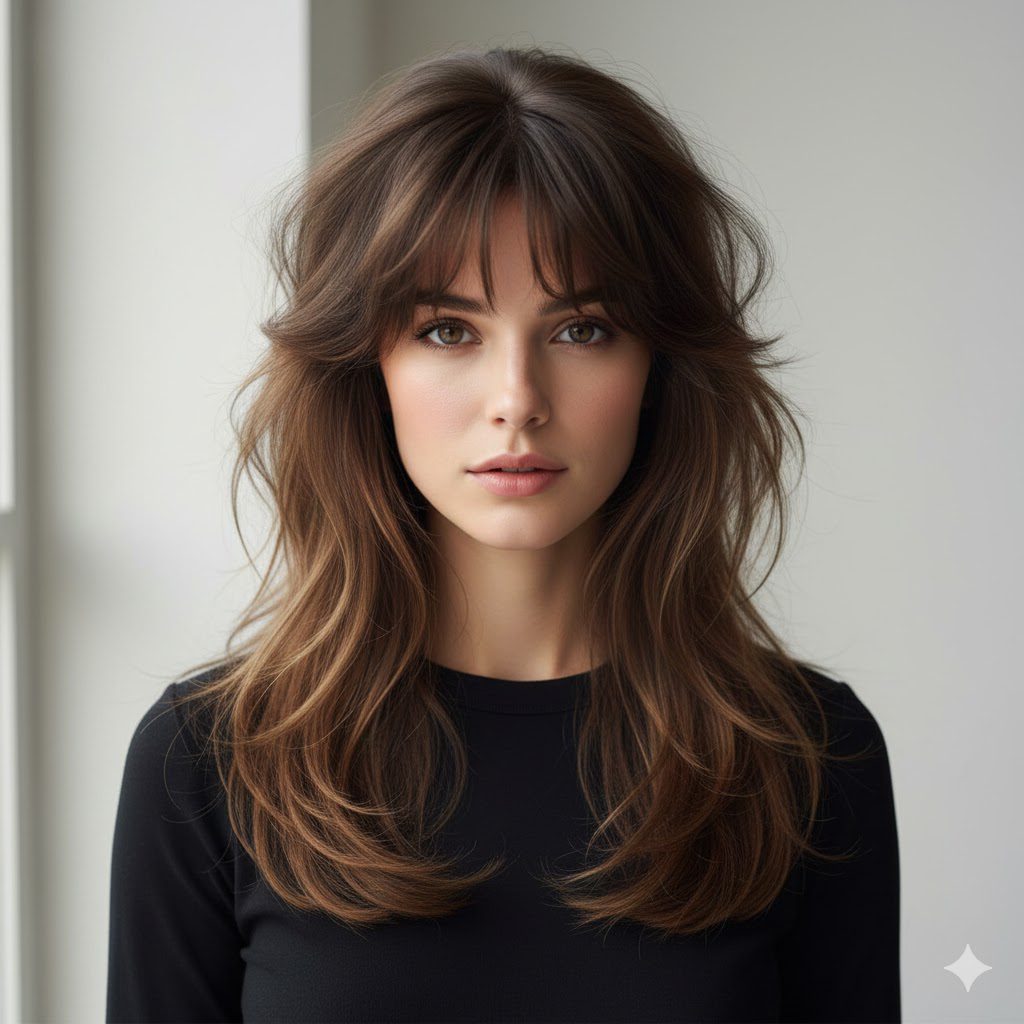
Hair color in 2026 has quietly shifted away from the loud, one-note dye jobs that dominated a few years back. Colorists talk less about “going blonde” or “going red” now and more about undertone, dimension, and how a shade grows out. The best long hair colors this year look less like a single flat coat of paint and more like something built in layers, with light and dark working together.
Long hair changes the math on color, too. A shade that reads soft and blended on a lob can look heavy or patchy on hair that reaches mid-back. Ends are older hair — they’ve been through more washes, more heat, more sun — so they hold color differently than the roots. A colorist who understands this will often formulate two or three shades for one head, not one.
These 17 ideas cover blondes, brunettes, reds, and the blends in between, with notes on who each one actually suits, not just how it photographs. One honest truth before we start: almost none of these are “wash and go forever” colors. Even the low-maintenance ones need a plan — a gloss refresh, a purple shampoo, a trim schedule — or they fade into something duller than what you sat in the chair for.
- 1. Chocolate Cherry Melt
- 2. Butter Blonde
- 3. Copper Penny
- 4. Money Piece on Deep Brunette
- 5. Mushroom Brown
- 6. Sun-Kissed Balayage
- 7. Espresso Brunette
- 8. Strawberry Blonde
- 9. Toffee Brown
- 10. Icy Platinum Money Piece
- 11. Cinnamon Brunette
- 12. Honey Blonde Balayage
- 13. Root Smudge Blonde
- 14. Cherry Cola Red
- 15. Golden Bronde
- 16. Ash Brown
- 17. Caramel Highlights on Brunette Base
- Styling & Maintenance Advice
- What to Ask Your Stylist
- Common Mistakes
- Final Thoughts
1. Chocolate Cherry Melt

A deep brown base melts into a cool burgundy through the mid-lengths and ends, almost black-cherry under indoor light. It looks best on hair that already has some natural shine — fine to medium hair with a loose wave or straight texture. On coarse, dry, or over-processed ends, the cherry tone can turn muddy instead of jewel-toned.
This shade suits cool and neutral skin undertones. Warm olive skin can look a little flat next to it unless the colorist works in a hint of copper underneath. Maintenance means a color-depositing conditioner about once a month, since red pigment fades faster than brown. If your hair has old warm highlights hiding underneath, expect your colorist to add a filler step before the glaze — that’s normal, not a sign something went wrong.
2. Butter Blonde
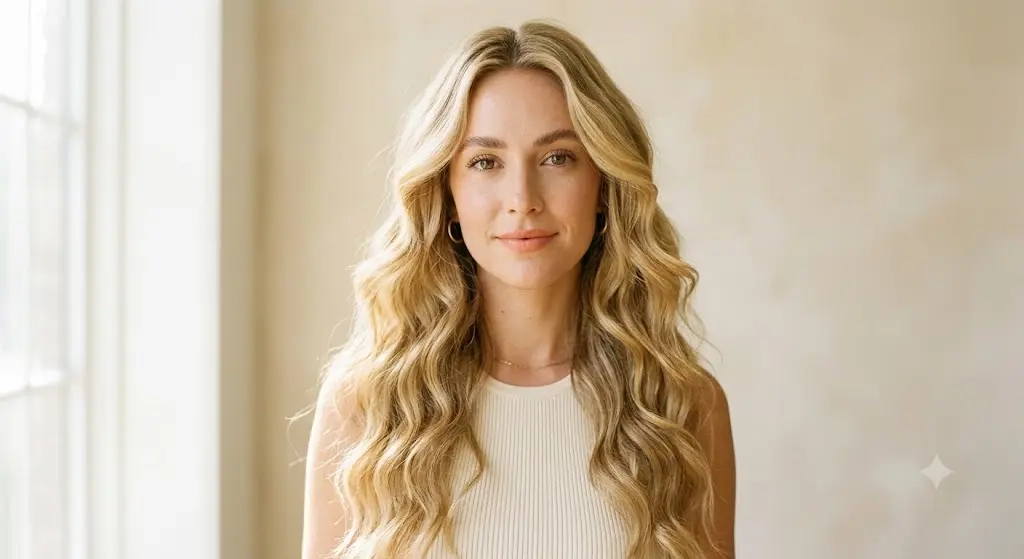
Warm and creamy, sitting between honey and vanilla rather than pushing toward platinum. It works best on fine to medium hair. Very thick, coarse hair can take two or more sessions to lift evenly, since dense hair resists lightener in a way fine hair doesn’t.
Warm and peachy undertones wear this well. Very fair, cool-toned skin can end up looking a bit sallow next to it. Plan on root touch-ups every 6 to 8 weeks and a toner refresh around every 4, or the yellow underneath starts pushing through. Anyone going from brunette to this shade for the first time should expect two appointments spaced a few weeks apart — doing it all at once puts too much stress on the hair in a single sitting.
3. Copper Penny

Bright, saturated, almost metallic orange-copper. It suits medium to thick hair with some texture — on very fine, straight strands it can end up looking sparse once the shine settles in. Warm undertones, especially golden or olive skin, pull this off best; pink undertones tend to clash.
This is one of the highest-maintenance colors on the list. Red-orange pigment molecules are large, so they rinse out fast — expect a gloss every 3 to 4 weeks and cooler showers than you’re used to. Three weeks in, most copper heads settle into a softer ginger. That’s the color fading on schedule, not a mistake.
4. Money Piece on Deep Brunette
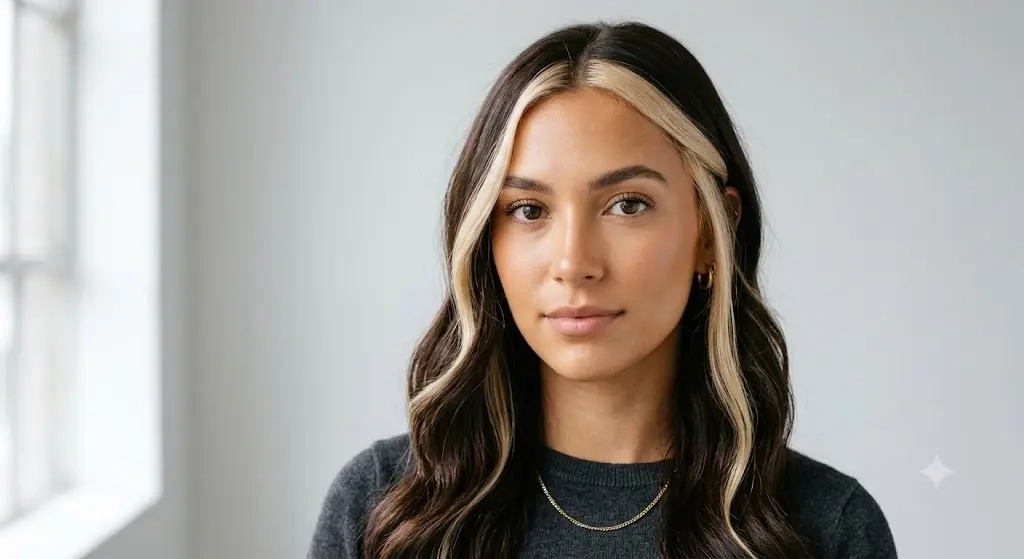
Two lightened pieces frame the face against a rich brunette base — subtle from across a room, bright up close. On wavy or curly long hair, the pieces blend right into the curl pattern. This one works across most skin tones since the rest of the hair stays close to natural, and the colorist can adjust the piece’s warmth to match.
It’s low to medium effort, since only two foils need processing. Regrowth barely shows because so little of the head is actually lightened. Worth saying clearly to your stylist: ask for “money piece,” not “face-framing highlights.” Some stylists use those terms differently, and you could walk out with four foils instead of two.
5. Mushroom Brown

Cool, ashy, taupe-leaning brown with zero warmth — almost grey in certain light. It shows better on hair with some natural movement. Pin-straight fine hair can look flat without lowlights layered underneath for depth.
Cool or neutral undertones suit this best; warm or olive skin can look tired without a little hidden warmth mixed in. It takes a strong toner to cancel out natural warmth, especially over previously warm brunette hair, so expect a moderate amount of chair time. It’s also common for the color to look darker and flatter the first week, then settle lighter as the toner softens. Purple or blue shampoo weekly keeps it from pulling warm again.
6. Sun-Kissed Balayage

Soft, hand-painted lighter pieces concentrated through the mid-lengths and ends, meant to look like natural summer lightening. This one belongs on wavy or textured long hair — the placement follows the wave pattern. On very straight hair, it reads more like chunky highlights than a soft melt.
Because it’s customized rather than formula-based, it flatters most undertones. It’s also one of the most forgiving colors here: no harsh root line means you can stretch 10 to 12 weeks between visits. The tradeoff is time in the chair — hand-painting long hair strand by strand often runs 3 hours or more.
7. Espresso Brunette

Deep, near-black brown with warmth underneath so it reads glossy, not flat. Fine hair benefits the most — the depth makes hair look thicker than it is. Cool and neutral undertones look sharp against it; very fair skin can look harsh without soft face-framing pieces to break it up.
If your hair is already dark, this is a low-effort change. If you’re coming from blonde, it’s a bigger color correction, and skipping the filler step can turn the brown muddy or slightly green. Root regrowth blends easily once you’re there, but dark brown fades to brassy faster in the sun than most people expect.
8. Strawberry Blonde

A pale copper-blonde that sits between red and gold — soft, warm, not quite pastel. Naturally fine or medium hair holds this shade evenly. Coarse dark hair needs significant lightening to get there, and even then, the color can look patchier.
Fair to medium skin with natural red or gold undertones wears this best. It needs a color gloss every 4 to 5 weeks, since the pink-gold cast drifts toward plain yellow-blonde as it fades. Strawberry shades are notoriously hard to formulate the exact same way twice, so bring a clear reference photo and stay open to small variations between visits.
9. Toffee Brown
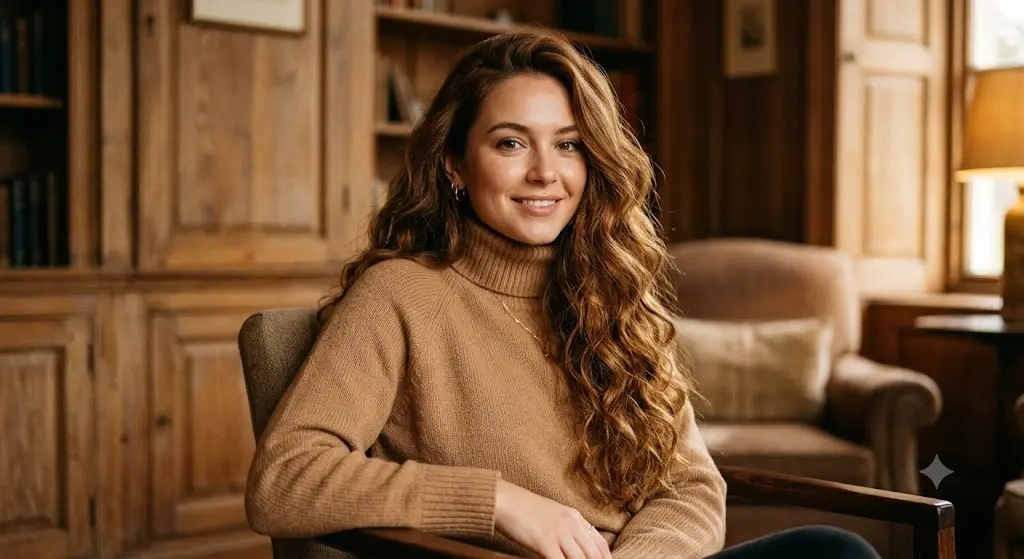
Warm mid-brown with caramel running through it — richer than plain brown, not as gold as full caramel. It suits thick or coarse hair especially well, where the warmth reads clearly against denser strands. Warm and olive undertones match it best; very cool, pink undertones can look slightly muddy.
This is one of the easier appointments on the list. A gentle glaze over natural brown often gets the result without any lightening. Root touch-ups land around every 8 to 10 weeks, with a gloss refresh in between to keep the caramel from fading flat.
10. Icy Platinum Money Piece

Very pale, almost white-blonde pieces against a darker base, with the sharpest contrast on dark brunette or black hair. Cool undertones handle true platinum the best. Warm skin can look washed out unless the colorist keeps a faint gold base under the white toner.
This is the highest-maintenance piece on the list. Getting hair to pale yellow or white without breakage takes real skill and often more than one visit — expect your colorist to say “let’s build to it over two appointments” and trust the pacing. At home, that means purple shampoo two to three times a week and a bond-building treatment to offset the lightening.
11. Cinnamon Brunette

Warm brown with a visible red-orange undertone — spice-toned, not ashy. It flatters thick, coarse, or curly long hair especially well, since the red catches through texture. Warm undertones, golden or olive skin, and hair that tans easily all pair well with it.
A demi-permanent gloss over natural brown often achieves this without any lightening at all. The tradeoff: red fades fastest of all brunette tones, so plan on a gloss refresh every 4 to 6 weeks. This color also shifts with the light — richer in warm fall lighting, closer to plain brown under office fluorescents.
12. Honey Blonde Balayage

Warm, gold-toned balayage, richer and more amber than butter blonde, with visible dimension between the light and dark pieces. It looks best on wavy or curly hair, where the dimension catches in the curl pattern. Warm to neutral undertones suit it; very cool, pale skin can look slightly jaundiced next to strong honey tones.
More pieces and more precise placement than a simple sun-kissed balayage means more chair time. Plan on a gloss every 6 to 8 weeks, with root touch-ups as needed. Say “warm honey, not yellow” to your stylist specifically — colorists interpret “honey blonde” differently, and without a clear reference it can skew too golden or too flat.
13. Root Smudge Blonde

A soft, deliberately blurred root that fades into blonde lengths with no harsh line. It works on any texture, and it’s especially useful for long hair, where root regrowth becomes obvious over the longer stretch between salon visits. Because the base stays close to natural, it suits nearly every undertone.
This is the lowest-maintenance blonde on the list by a wide margin — some people go 4 to 5 months between full color visits. If a stylist says “we’ll smudge the root,” that means a soft shadow at the part, not a full re-color. Worth asking directly if you’re not sure what that means for your specific hair.
14. Cherry Cola Red

Deep brown-red with cola-like warmth, darker and less pink than chocolate cherry, closer to burgundy-black in low light. It suits thick, coarse hair, where the depth reads rich instead of getting lost. Cool to neutral undertones with some depth to the skin work best; very fair, pale skin can look stark against a color this deep.
Usually a demi or semi-permanent gloss over brown rather than a full lightening service. Like most reds, it fades unevenly — ends fade faster than roots, since ends are older, more porous hair. Because semi-permanent reds wash out gradually instead of growing out with a line, maintenance is about refreshing the tone, not chasing roots.
15. Golden Bronde

The blend between blonde and brunette — warm gold running through a light brown base with no harsh contrast anywhere. This is one of the most forgiving colors here, since it sits close to many natural brunette bases already. Warm and neutral undertones both wear it well, which makes it one of the more universal picks on this list.
Often achievable with just a gloss and a few subtle babylights, no full lightening required. The soft root line means fewer urgent touch-ups — roughly every 10 to 12 weeks. Colorists tend to recommend this to first-timers who want a change without full commitment, since it’s low risk and easy to walk back.
16. Ash Brown
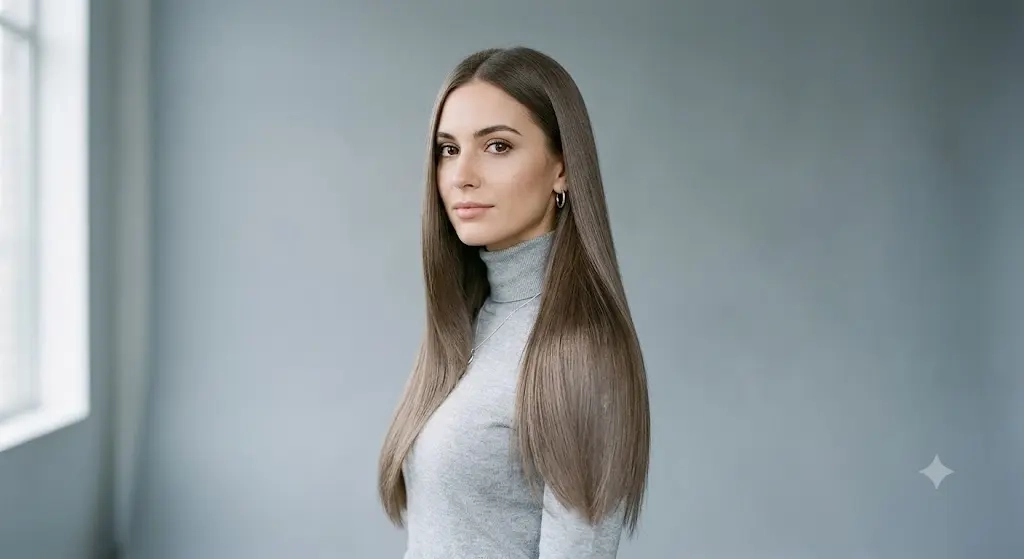
Cool, neutral brown with no red or gold at all — can look almost taupe in bright light. It shows cleanest on straight to loosely wavy hair; heavy texture can make the coolness look patchy without enough gloss to even it out. Cool undertones suit it best, especially anyone who’s noticed warm brunette shades make their skin look sallow.
Getting brown truly ash, not just “not warm,” usually needs a blue-based toner over a lightened or pre-lightened base. That toner needs refreshing every 5 to 6 weeks, since brown hair’s natural warmth keeps fighting its way back. One thing worth knowing ahead of time: ash tones read more grey in camera flash than in person. Check the color in daylight before deciding you don’t like it.
17. Caramel Highlights on Brunette Base

Classic warm caramel ribbons woven through a brunette base — dimensional without going full balayage. It suits thick, coarse, or curly hair particularly well, since texture makes the multi-tonal highlights look richer. Warm and olive undertones pair best; very cool, pale skin can look slightly orange next to strong caramel.
Foils go through the mid-lengths and ends, with the root left more natural. Regrowth blends reasonably well, but caramel fades toward flat, brassy gold over time, so a gloss every 6 to 8 weeks keeps it looking fresh. This is one of the most requested, most reliably safe color changes for anyone who’s never highlighted before.
Styling & Maintenance Advice
Color-treated hair is more porous than untouched hair, especially once it’s been lightened. That means heat tools do more damage, faster. Keep flat irons and curling wands under 380°F (193°C) for fine or color-treated hair, and use a heat protectant every time, not just on special occasions.
Trim every 8 to 10 weeks. Split ends travel up the hair shaft fastest at the ends, which is also where color fades first — letting damage sit just accelerates the fade.
Match your product to your tone. Cool blondes and ash brunettes need purple or blue shampoo weekly. Reds and coppers hold their color longer with a color-depositing conditioner. Anyone lightened more than two levels benefits from a bond-building treatment at home between salon visits.
Porous, color-treated hair grabs humidity more than untouched hair, so frizz shows up faster. A lightweight leave-in or a few drops of oil on the ends helps more than fighting it with extra heat.
If your hair is fine, ask for a lighter gloss formula. A heavy gloss can weigh fine strands down and flatten volume at the root.
One beginner mistake worth avoiding: don’t wash your hair the same day as a color service. Give it 48 to 72 hours so the color and gloss fully set before the first wash.
What to Ask Your Stylist
Bring a reference photo, but say what lighting it was taken in. A color photographed in golden-hour sun reads differently than the same color under salon lighting.
Use the words “warm” or “cool” undertone when you describe what you want, not just a color name. Two people can both ask for “caramel” and mean different things.
For any big change — dark to light, red to ash, anything more than two levels of lift — ask upfront how many sessions it realistically takes. One-and-done is rare for a dramatic shift, and a good colorist will tell you that before you sit down.
Ask what the maintenance schedule looks like before you commit: how often you’ll need to come back, and roughly what that costs over a year, not just for the first visit.
If you’re going vivid or going more than a couple levels lighter, ask whether they’re doing a strand test first. It’s a five-minute step that can save you from a bad surprise.
Ask what to use at home — which shampoo, how many washes a week — before you leave the chair. Most fading problems trace back to the wrong products, not the color itself.
Common Mistakes
Skipping a strand test on previously colored hair. Old artificial pigment can react in ways virgin hair doesn’t, and a strand test catches that before it happens to your whole head.
Bringing a photo of hair that starts at a different level than yours. A caramel balayage on someone starting from light brown looks nothing like the same request on someone starting from black.
Washing hair right after a color appointment, before the color has had time to set.
Assuming balayage is maintenance-free forever. It’s lower maintenance than foils, not maintenance-free — it still needs a gloss refresh.
Layering salon color over box dye without telling your colorist. The two don’t always mix predictably, and it’s the kind of thing a stylist needs to know about in advance, not discover mid-appointment.
Chasing a trending color that doesn’t match your undertone, then blaming the result on the stylist instead of the shade.
Expecting a dramatic double-process color — black to platinum, for example — to happen safely in one sitting. Rushing it usually means breakage.
For an elegant look, I focus on healthy, well-maintained hair rather than overly complicated styling. Smooth blowouts, soft waves, polished ponytails, low buns, and glossy straight hair create a timeless appearance. Keeping frizz under control and choosing a rich, natural-looking hair color also adds sophistication.
In my experience, the best hair color for long hair is one that adds depth and dimension. Shades like chocolate brown, soft balayage, warm caramel, honey blonde, rich auburn, and glossy black help long hair look healthier and more vibrant. I always recommend choosing a color that complements your skin tone rather than simply following trends.
From what I’ve researched and seen across salons and fashion trends, 2026 is all about natural-looking, low-maintenance colors. Soft brunette blends, expensive brunette, honey blonde, beige blonde, copper auburn, mocha mousse, and dimensional balayage are leading the trend. Glossy finishes and subtle highlights are replacing high-contrast color jobs because they grow out more naturally.
If I had to recommend only five timeless and trendy shades, I’d choose:
Rich Chocolate Brown
Honey Blonde
Soft Balayage Brunette
Copper Auburn
Glossy Jet Black
These colors suit a wide range of skin tones and remain stylish year after year.
I’ve found that warm, dimensional shades usually create a more youthful appearance than flat, single-process colors. Honey blonde, caramel brown, soft chestnut, golden brunette, and warm auburn can brighten the complexion and soften facial features. Adding subtle highlights around the face often creates an even fresher look.
There isn’t one universally “best” hair color. I always choose a shade based on skin undertone, eye color, and personal style. Warm undertones usually pair beautifully with golden, caramel, copper, and honey shades, while cool undertones often suit ash brown, cool brunette, platinum blonde, and cool black. The most flattering color is the one that enhances your natural features.
I’ve learned that healthy hair matters more than simply keeping it long. To create a youthful look, I keep the ends trimmed, add soft layers for movement, maintain shine with regular conditioning, and choose a face-framing hairstyle. A dimensional hair color with subtle highlights also helps long hair look fresher and fuller
Current long hair trends focus on effortless movement and healthy-looking length. Popular styles include long layers, butterfly cuts, curtain bangs, face-framing layers, soft waves, blowout styles, and sleek straight hair. Hair colors with natural dimension, such as balayage and glossy brunettes, remain especially popular
The “3 rule” can mean different things, but one common guideline I follow is the three-month trim rule. Trimming long hair every 8–12 weeks helps prevent split ends from traveling upward, making it easier to maintain healthy length. Consistent trims usually keep long hair looking thicker and healthier.
Final Thoughts
The right long hair color usually comes down to three things: your undertone, how much upkeep you’re actually willing to do, and how honest your colorist is about how many sessions it’ll really take. A shade that looks perfect on someone else’s undertone can look flat on yours, and a “low maintenance” color still means some maintenance. Bring reference photos, ask direct questions about aftercare, and expect the color to shift a little in the first few weeks as it settles — that’s normal, not a sign anything went wrong.