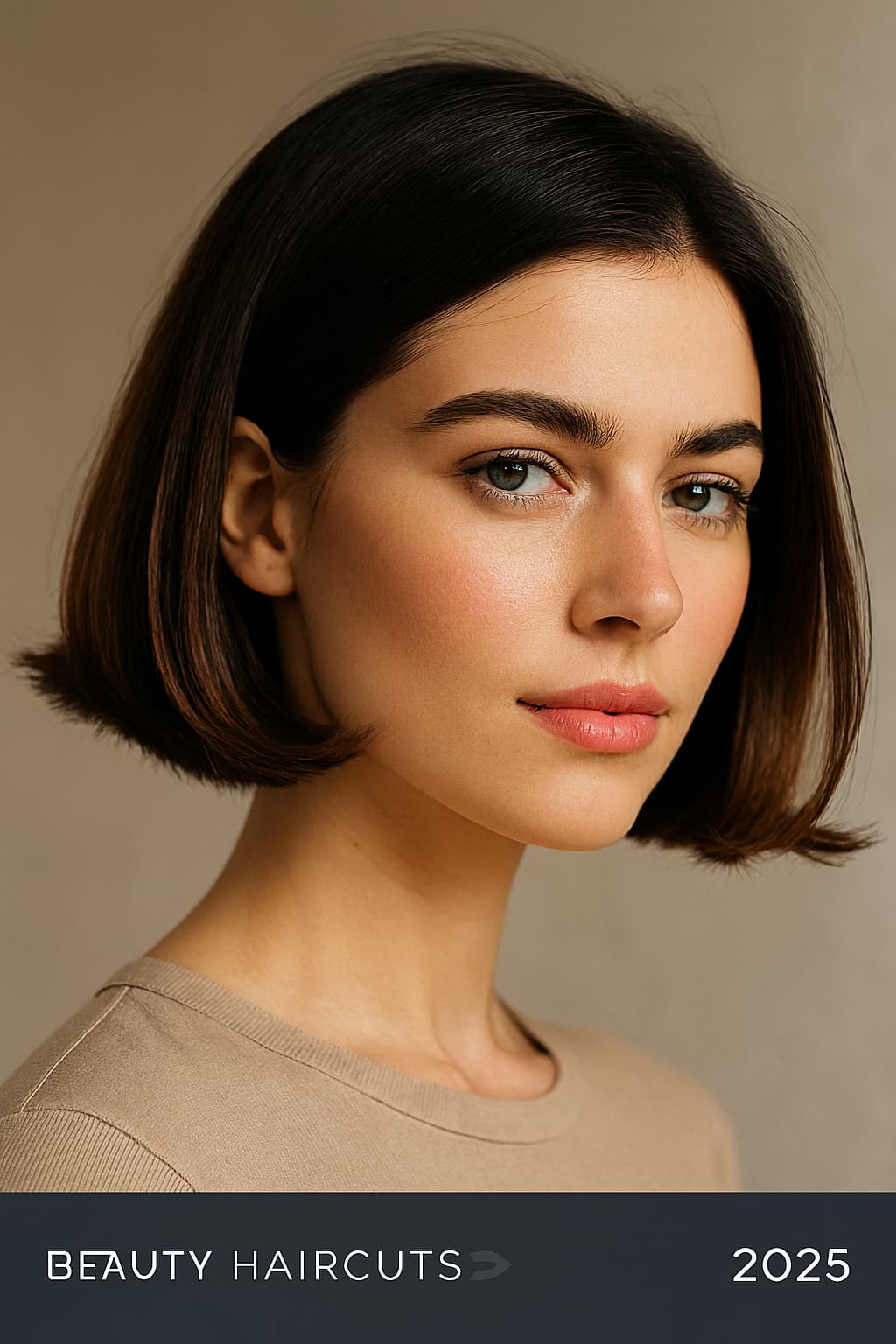
Fine hair and the bob have a complicated relationship. When the cut is right, hair looks twice as thick. When it’s wrong, everything falls flat by 11 a.m. The trick isn’t in piling on layers—it’s in shape, weight distribution, and knowing exactly where to keep density. Over the last few years, cuts like the Italian bob, the collarbone lob, and the micro bob have flooded salon requests. But not every version works on strands that already struggle for body.
I’ve watched clients leave the chair with a buoyant, full shape only to text me a week later because their hair looked stringy after the first wash. That’s often a layering problem. Fine hair needs perimeter weight. It needs strategic internal removal, not aggressive texturizing on the ends. Think of the cut as architecture. You’re building a structure that tricks the eye.
This list covers 20 bobs that genuinely shift how fine hair behaves. Some are sleek, some are messy, most land between jaw and collarbone. I’ve noted the real upkeep, what face shapes they flatter, and what to say to your stylist so you don’t end up with a version that only works in a salon blowout. One thing right away: if your hair is both very fine and very sparse, the blunt cuts here still need a bit of natural density at the scalp to hold the illusion. There’s no magic trick, just smart shape.
1. The Weighted Blunt Bob

A jaw-length cut with zero layering at the perimeter. The ends land heavy and straight, creating a solid line that makes hair appear thicker immediately. It works best on fine hair that isn’t overly sparse; you need enough strands to hold that blunt edge. Oval, heart, and long face shapes carry it well. Styling is a quick blow-dry with a paddle brush or air-drying if your hair is naturally straight. The maintenance is a trim every 5 to 6 weeks. If the line grows out, the shape loses its punch. Ask for a dry cut to keep the ends exact. The downside: on very oily scalps, the heavy bottom can look weighted down by day two. A dry texture spray at the roots helps.
2. The Stacked Graduate

Short, stacked layers at the back build volume at the crown, while the front remains longer—usually around chin length. That stacking lifts the root and creates a rounded profile from the side. Best for fine hair with moderate density; if the hair is too see-through, the short layers might reveal scalp. It flatters round and square faces by elongating the front. Styling requires a round brush on the back sections to encourage upward lift. Without that blow-dry, the shape collapses into a flat shelf. Trims every 6 weeks are non-negotiable; once the graduation grows out, you get a mullet-like ledge. Tell the stylist you want the stacking to start at the occipital bone, not high up near the crown, to keep the shape modern.
3. The Textured Italian Bob

This sits between chin and lip length, blunt at the ends but with subtle internal slicing to remove weight without thinning the perimeter. The ends are dense, the interior moves. It suits fine hair that has a little natural wave or bend. Heart-shaped and oval faces benefit from the width at the jaw. Styling difficulty is low to medium—a rough blow-dry with some mousse, maybe a quick pass of a flat iron to bend the ends under. Maintenance is a trim every 6 to 7 weeks. If your stylist goes too heavy with the texturizing shears, the ends lose that chunky look, and fine hair can look wispy within weeks. Ask for “invisible internal layers and a heavy baseline.”
4. The Micro Bob
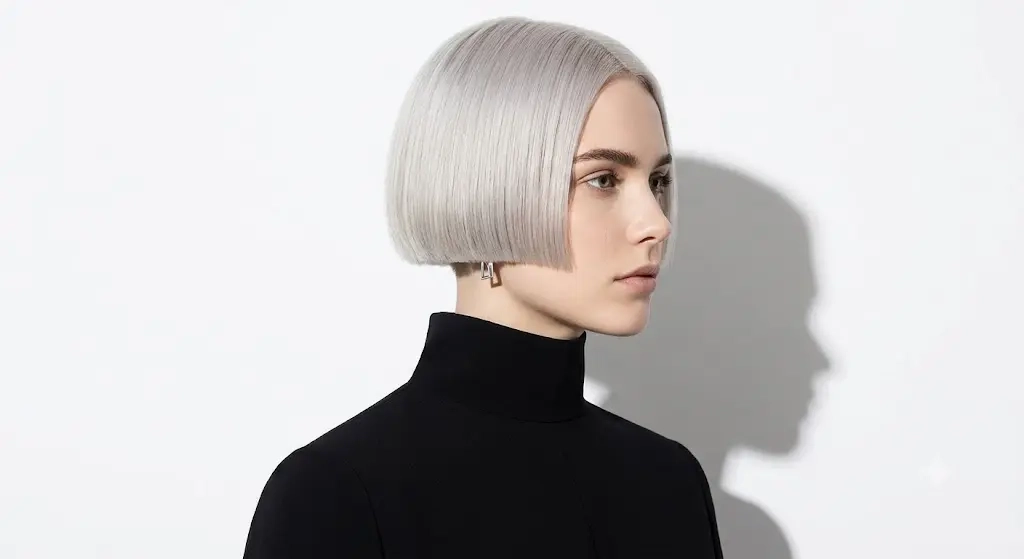
This one stops at the earlobe or just below. Super short and solid, it forces the eye to see a dense shape. It works remarkably well on fine hair because there’s no length dragging it down. Round, oval, and heart faces can wear it easily. Styling is just a quick blast with a dryer and some volume powder at the roots—the shorter the hair, the less time it takes. The catch: you need a neck you’re comfortable exposing, and the grow-out phase can feel awkward around the hairline. Book trims every 4 to 5 weeks. Ask your stylist to keep the back slightly tapered so it doesn’t mushroom. On humid days, the short pieces can curl forward; a tiny dab of pomade tames it.
5. The A-Line Bob

Shorter in the back, gradually longer toward the front, often ending at the collarbone. The angle itself creates volume because the stacked back lifts the crown, and the heavy front visually widens the hair. Fine hair with any texture works—straight or wavy. Square and round faces get a nice elongating effect. Styling is a round-brush blowout, concentrating on smoothing the front sections. Maintenance sits around 6 weeks. The front angle can start to feel stringy if it’s over-layered. Tell your stylist you want a strong baseline and a gradual angle, not a dramatic drop, so the hair doesn’t look thin at the front points. In high humidity, the longer front can flip; a vented brush while drying helps.
6. The Collarbone Lob With Blunt Ends

A long bob that grazes the collarbone with zero layering at the ends. The length allows for updos, but the blunt edge preserves the illusion of density. Fine, straight hair looks sleek and polished; wavy hair gets a subtle bend. It flatters most faces, especially oval and oblong. Styling takes a bit more effort because the length can fall flat at the roots—root-lifting spray and a round brush become your tools. Trims every 7 to 8 weeks keep the ends heavy. Avoid over-texturizing; you want a clean, sharp line. If your hair is on the thinner side, skip the middle part and go for a deep side part to lift the crown instantly.
7. The Curly Bob

For fine hair with natural curl, a dry-cut curly bob is a volume machine. The curls compact and spring up, creating a rounded silhouette that reads as thick. The length usually sits between chin and shoulder when dry. Curly bobs suit oval, heart, and square faces. Styling is a wash-and-go with curl cream and a diffuser, but it’s all about the cut—shape must be carved curl by curl. Trims every 8 to 10 weeks are fine, but don’t let the stylist use a razor or thinning shears; that causes frizz. Ask for a dry cut with curls in their natural state. The real talk: humidity can swell the shape, so a strong hold gel helps, but the volume payoff is worth the product trial.
8. The French Bob With Wispy Bangs

Cheekbone-skimming length, often with a slight curve under and a light, wispy fringe. It’s effortlessly Parisian but demands a precise cut to avoid looking like a helmet. Fine hair works well here because the fringe adds density around the face, and the short length stays buoyant. Oval, heart, and long face shapes are ideal. Styling can be air-dried with a bit of mousse scrunched in; the fringe needs a quick blow-dry with a small round brush. Maintenance is 5 to 6 weeks. Bangs require a trim every 2 to 3 weeks if you want them to stay at brow level. Be clear with your stylist: “wispy, not heavy, slightly curved.” If cut too bluntly, the bang can overwhelm a small forehead.
9. The Choppy Layered Bob With Curtain Bangs

Shorter, messy layers through the interior with a soft curtain fringe that opens up the face. This cut uses layers to create movement, but on fine hair, the layers must stay minimal and concentrated around the crown, never thinning the perimeter too much. Round and square faces benefit from the curtain bang’s cheekbone-framing effect. Styling is a rough dry with a texturizing spray and maybe a wand to create a few undone waves. Maintenance is 7 to 8 weeks. The risk: over-layering turns the shape from tousled to scraggly. Ask for “soft internal layering that doesn’t remove weight from the ends.” Dry shampoo is your friend here; the style looks better on day-two hair.
10. The Inverted Bob With an Undercut Nape

A heavy, rounded shape on top with a shaved or closely tapered nape underneath. The undercut removes bulk where you don’t need it, leaving the top layers full and voluminous. This cut suits fine hair that has decent density on top but gets stringy at the nape. Round, heart, and oval faces can pull it off. Styling requires blow-drying the top section with a round brush for lift; the nape takes no effort. The grow-out of an undercut is real—expect a shaggy back in a few weeks. Trims every 5 to 6 weeks for the top, undercut clean-up every 3 to 4 weeks. Tell your stylist “undercut, not disconnected, blending so it grows out softer.”
11. The Rounded Concave Bob

The back curves under in a gentle U-shape, hugging the neck, while the front angles slightly forward. That curve builds visual fullness behind the ears, which adds width where fine hair often falls flat. It works nicely on straight and slightly wavy textures. Oval, heart, and long faces look proportional. Styling is a round brush with the dryer aimed down the hair shaft to encourage the inward bend. Maintenance every 6 weeks prevents the curve from flipping out. Avoid heavy products at the nape; they can drag the curve down. Ask for a “soft concave line, not a sharp undercut.”
12. The Pixie-Bob Hybrid (Bixie)

Short, piece-y, with longer bits around the ears and nape, this cut looks like a grown-out pixie but it’s deliberate. It creates insane root lift on fine hair because there’s little length weighing things down. Round, oval, and heart faces suit it. Styling is fast: a bit of texture paste, rake through, go. The trade-off is frequent trims—every 4 to 5 weeks to keep the shape from tipping into mullet territory. Ask your stylist to keep length around the ears and soften the perimeter. If your hair has a cowlick at the crown, this cut works with it instead of fighting.
13. The Asymmetrical Bob

One side is longer, often grazing the collarbone, while the other sits at the jaw. The deep side part pushes all the hair to one side, creating an instant volume boost on top. It’s a cheat for fine hair because you’re piling the weight together. Works on straight or wavy textures. Oval, round, and square face shapes look great. Styling: blow-dry with a round brush directing hair to the heavier side. Trims every 6 weeks. The nuance: the shorter side can flip awkwardly if it hits at an unflattering point; ask the stylist to make sure the short side ends below the jaw hinge, not right on it, to avoid a shelf.
14. The Blunt Bob With Face-Framing Pieces

A solid, jaw-grazing bob with slightly shorter internal sections around the face—often starting at the chin and blending back into the heavy baseline. These interior pieces soften the look without removing density from the ends. Fine hair gets movement without sacrificing the heavy line. Oval, heart, and long faces benefit. Styling is simple: a blow-dry with a flat brush and a quick flat iron to bend the face bits inward. Maintenance every 6 weeks. Ask for “hidden face-framing that stays within the interior, not lots of short layers on top.” On very humid days, the shorter pieces can puff; a smoothing serum helps.
15. The Italian Bob With Baby Bangs

Similar to the textured Italian bob, but with micro bangs that hit above the eyebrows. The shorter fringe exposes the forehead and creates a squared-off shape that makes the bob look deliberately graphic. This adds perceived volume because the contrast between heavy baseline and short fringe forces the eye to see density. Best on fine, straight hair with some body. Oval, heart, and diamond faces work. Styling: blow-dry the fringe flat with a mini brush, rough dry the rest. Trims: bob every 6 weeks, bangs every 2 to 3 weeks. The baby bang is a commitment; it grows fast and can look ragged quickly. Tell your stylist “baby bang, not micro, a soft edge.”
16. The Soft Wavy Bob

A collarbone-length bob with subtle, lived-in waves, often created with a large-barrel wand rather than cut-in layers. The waves puff up the strands, giving the illusion of thicker hair. Fine hair with a slight natural wave holds this well. Straight hair can achieve it with a sea salt spray and low heat. Oval, long, and heart faces. Styling effort is medium: wrap sections away from the face, shake out, set with a light hairspray. Avoid a curling iron with a clamp—it can flatten fine hair. Maintenance 7 to 8 weeks. The risk: if you go too heavy on products, waves fall flat. Mist texture spray onto roots and mid-lengths only.
17. The Shaggy Bob With Razored Ends

Messy, piece-y, with soft razored tips that flick out. The cut relies on internal texture to create a puffed-up, insouciant shape. On fine hair, the key is a razor only on the very ends and mid-lengths, never at the roots, to avoid taking out too much weight. Round, square, and heart faces suit the added width. Styling is a scrunch with mousse and air-dry or a quick diffuse. It’s forgiving on day-two hair. Trims every 8 weeks keep the ends from getting too wispy. The danger: if your stylist goes razor-happy, the shape becomes too airy and fine hair disappears. Ask for “soft razored ends, keep the interior dense.”
18. The Heavy Fringe Bob

A blunt bob with a full, thick fringe hitting the brow. The solid bang adds weight at the front, which tricks the eye into seeing overall thickness. Fine hair can pull this off if the fringe is cut densely from a narrow section to avoid depleting the rest. Oval, long, and heart-shaped faces. Styling: blow-dry the fringe with a round brush immediately after washing; if it dries wonky, it’s hard to fix. Trims: bob 6 weeks, fringe 2 to 3 weeks. Oily scalps will show in the fringe faster; dry shampoo is a morning staple. Tell your stylist, “full fringe but taken from a deep section so it stays dense.”
19. The Box Bob

Square shape, sharp corners at the jaw, no graduation. It’s architectural and blunt, creating a block of color that reads as solid density. Fine hair needs to be reasonably dense for this to work; if it’s too fine, the box shape can look like a wispy triangle. Straight textures are best. Oval, square, and heart faces can hold the sharp lines. Styling is a precise blow-dry with a flat brush to keep the corners straight. Maintenance is 5 weeks—any outgrowth softens the box effect. In humidity, the corners may curl under or flip; a flat iron touch-up might be needed. Ask for “dry cut, zero texturizing on the ends.”
20. The Tucked Bob

A chin-length bob that relies on the styling trick of tucking hair behind the ears. The tuck squeezes the sides and pushes volume toward the crown and back. It’s more a styling method than a cut, but when cut with a slight under-bevel, the shape holds the tuck better. Fine straight hair works beautifully. Oval, heart, and round faces. Styling: blow-dry smooth, tuck behind ears while hair is still warm, set with a light mist. The cut needs subtle graduation in the back so it doesn’t poof. Trims every 6 weeks. In high wind, hair comes untucked and you lose the volume. Carry a mini texture spray for quick re-tucks.
Styling and Maintenance: What Nobody Mentions
Heat is not always the enemy. A blow-dry with a round brush gives fine bobs the lift they need, and it’s often faster than air-drying into a limp mess. Use a heat protectant and a medium heat setting. Air-drying can work if your cut is blunt and your hair is mostly straight; otherwise, expect flatness. Root volume powder is a better friend than heavy mousses, which can collapse on fine strands. Apply a texturizing spray to the roots and mid-lengths, not the ends, to avoid a dry, frazzled look. Trims matter more than products. A bob that’s grown out by half an inch loses its structural integrity. Book every 5 to 7 weeks, depending on the style. Humidity will always be a variable. A sleek blunt bob in August might need an anti-frizz serum patted over the ends. For wavy styles, a hard-hold gel diluted with water and scrunched can lock shape without crunch.
What to Tell Your Stylist
Walk in with specific language. Instead of “I want a bob,” say, “I want a jaw-length blunt bob with a heavy baseline and invisible internal layering. Please cut it dry so we see exactly where the weight sits.” If you want the French bob, say, “Cheekbone length with a soft, wispy fringe, slight curve under, no stacked back.” For stacked styles, clarify, “Start the graduation at the occipital bone, not above the crown, and keep the front corners blunt.” Avoid saying “just take some weight out” because on fine hair that often translates to over-thinning. Ask if your stylist uses texturizing shears; if they do, request they use them sparingly and only on the interior, never on the outer line. Show photos, but explain what you like about the photo—the density at the bottom, the lack of shagginess—so the stylist knows what to protect.
Common Mistakes
Over-layering is the biggest. Fine hair doesn’t need a lot of internal feathers; it needs a strong silhouette. Cutting the bob while the hair is soaking wet can lead to a shape that shrinks and bounces up when dry, especially on wavy textures. Not communicating your morning routine is another. If you air-dry daily, a stacked graduated bob that demands a blow-dry will make you miserable. Choosing a cut with a super short back when you have a low hairline or neck rolls can create a shape that bulges oddly. Ignoring cowlicks: a strong front cowlick will push a straight fringe off-center; work with the direction, not against it. Lastly, expecting volume from the cut alone without any root product or styling is optimistic. Fine hair needs some intervention, even if it’s just dry shampoo.
FAQ Section
What bob is best for very thin fine hair?
A blunt micro bob or a weighted blunt bob that ends at the jaw or higher. Keeping length short prevents the weight from pulling the roots flat. Avoid any heavy layering.
Will a bob make my fine hair look thicker or thinner?
It depends on the cut. A blunt perimeter with minimal layering makes hair appear thicker. A heavily razored or over-layered bob can make fine hair look even thinner and stringy.
How do I style a bob to add volume every day?
Focus on the roots. Apply a volumizing mousse at the crown before blow-drying, use a round brush to lift the root, and finish with a dry texture spray. A deep side part immediately boosts lift.
How often do I need to trim a bob for fine hair?
Most bobs need a trim every 5 to 7 weeks. Shorter styles like the micro bob or bixie may need every 4 to 5 weeks to keep the shape crisp.
Can I wear a bob if I have a round face?
Yes. An A-line bob or stacked graduate that’s longer in the front helps elongate the face. Avoid blunt cuts that hit exactly at the widest part of the cheeks.
Is a blunt bob or layered bob better for fine hair?
Blunt bobs generally work better because they preserve weight at the ends. If you want layers, ask for minimal internal layers that don’t touch the outer perimeter.
What products give volume to fine hair in a bob?
Root-lifting spray, volumizing powder, dry shampoo for day-two texture, and a light texturizing mist. Avoid heavy oils and creamy styling products that weigh fine hair down.
How do I avoid a flat crown with a bob?
When blow-drying, direct the nozzle at the roots and lift with a round brush. Alternatively, set the crown with Velcro rollers while the hair cools. Dry texture powder applied at the root also lifts.
Final Thoughts
Fine hair doesn’t need to avoid the bob. It needs the right version of it. The shape, the weight line, and the grow-out pattern matter more than the magazine image. Find a stylist who understands that fine hair density is a constraint, not a flaw, and that the best cut is the one you can actually manage on a Tuesday morning. No single bob works for everyone, but the twenty here are built on honest observations about how hair behaves, not just how it photographs.
Further reading: 16 Bob Haircuts for Round Faces That Flatter Every Angle.