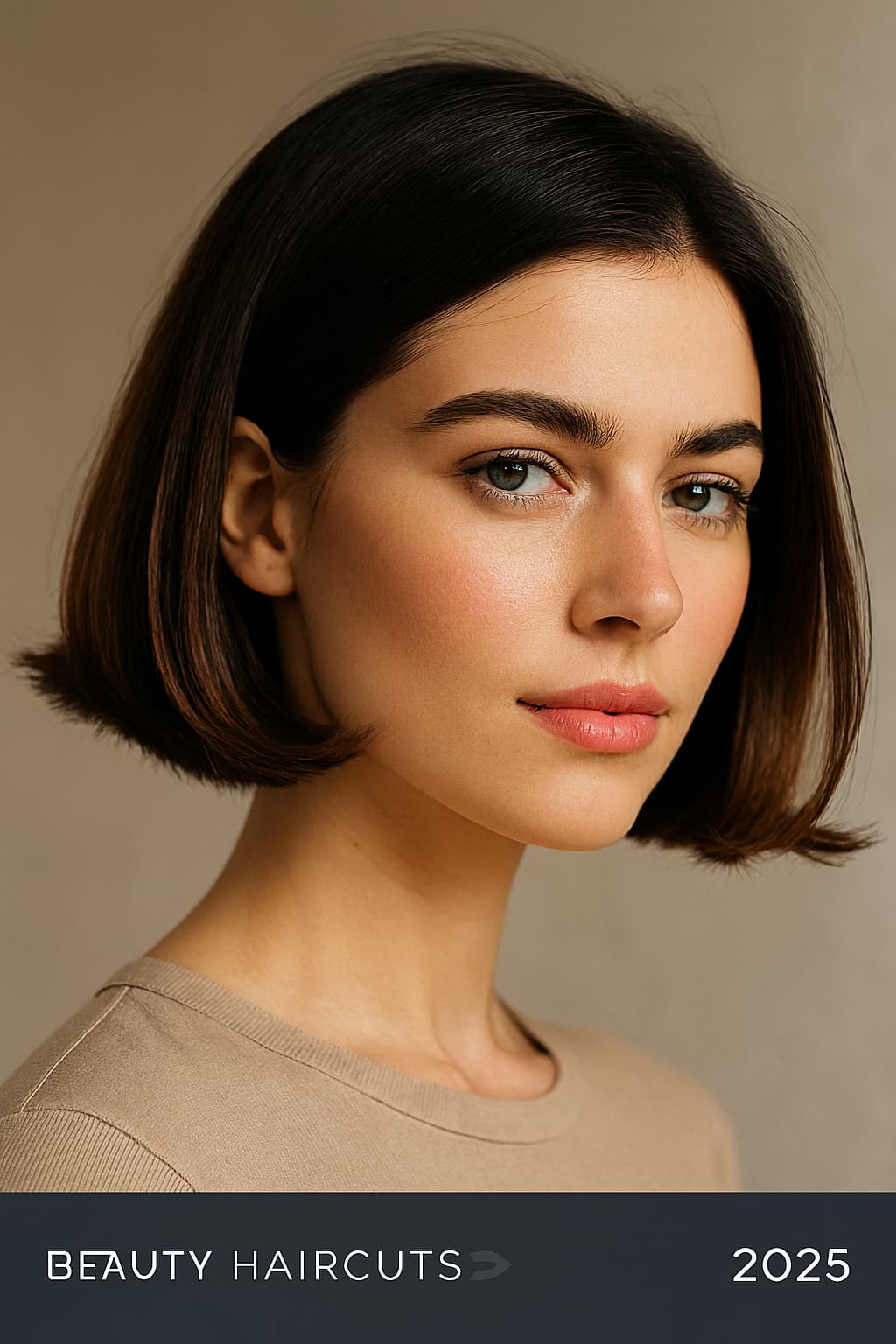
A bob with curtain bangs has been the quiet backbone of French-girl hair for a couple of years now, but the way people talk about it in salons has shifted. Instead of just asking for “the TikTok haircut,” more women are coming in with questions about density, grow-out phases, and what happens when you have a cowlick right at the part. That’s actually a good sign — it means people are starting to understand that this cut lives or dies by the details.
If you strip away the hype, what you’re looking at is a chin-to-collarbone length cut with a soft, center-parted fringe that opens up the face. It’s less severe than a full blunt bang, softer than a sharp bob without any fringe, and — when the length and layering are right — it can make thick hair feel less boxy and fine hair look less flat. But it’s not a miracle cut, and it does need a certain amount of daily intention. I’ve watched it behave beautifully on coarse, wavy hair with zero heat styling and also seen it fall completely limp on ultra-fine strands within a week of the salon if the internal weight was removed too aggressively.
This article walks through 18 specific ways to wear a bob with curtain bangs, each with real observations about hair type, face shape trade-offs, styling effort, and maintenance rhythm. No fluff, no generic compliments.
1. The Classic French Bob With Soft Curtain Fringe

This sits right at the jawline or just below, with blunt-ish ends and bangs that are shortest at the brow center and taper down toward the cheekbones. The silhouette looks compact and slightly rounded. On straight, medium-density hair it photographs beautifully because the bluntness reads clearly. If your hair has a natural bend, the shape loosens into something a little more casual by day three.
It suits oval and heart-shaped faces well, but square jawlines might want to take the length a centimeter lower to avoid widening the face optically. Styling is low-key if you air-dry; a quick blow-dry with a round brush on the bangs only. Salon tip: ask for point cutting on the ends, not a hard blunt line, so the shape doesn’t look heavy when your head is tilted down.
2. Collarbone-Length Italian Bob With Curtain Bangs

Volume at the roots, slight internal graduation, ends that flick out just a little — this is the bob that looks like you just got back from the Amalfi coast. The curtain bangs here are usually longer, grazing the cheekbones. I’ve noticed it works best on hair with some natural body: wavy, Type 2 curls, or even blown-out coily hair.
Because the length hits the collarbone, it doesn’t require the same four-to-five-week trim commitment as a chin-length cut. However, the root lift that makes this cut distinctive does require either a good volumizing mousse or a root-lifting spray on wash days if your hair tends to lie flat. If your hair is very dense, your stylist should remove weight through slide cutting rather than heavy layering, or the ends can start flipping outward in an unruly way.
3. Jawline Bob With Wispy Curtain Bangs on Fine Hair

On fine hair, a bob that hits right at the jaw can actually make the hair look denser, provided the curtain bangs aren’t cut too wide. The danger zone is removing too much hair from the front sections. I’ve seen stylists carve out a deep fringe that leaves only a thin veil of hair on the sides, and by week three the whole front looks translucent.
Ask for bangs that start from a narrower section at the crown and retain weight around the temples. Styling is minimal — just a tiny bit of dry texture spray at the roots — but you’ll need to accept that the bangs will require a quick refresh each morning, either with a mini flat iron or a one-inch round brush and a blast of cool air. Round face shapes might prefer slightly longer bangs that can be tucked behind the ear to avoid adding width.
4. Layered Shaggy Bob With Curtain Bangs

This one leans into the ‘70s rocker territory. The layers are choppy, visible, and start higher up — often around the cheekbones — with the curtain bangs fully integrated into those layers. The overall texture looks piece-y and slightly undone.
It’s a great cut for thick, wavy hair because the layering removes bulk and lets the natural wave pattern move. Straight hair needs more daily effort; you’ll likely need a texturizing spray and a bit of scrunching to stop it looking like a grown-out mullet. If your hair is fine and sparse, this cut can look stringy fast, so a good stylist will keep the layering conservative and rely on point cutting instead of heavy chunking. Face shape wise, it’s surprisingly forgiving on long faces because the width from the layers adds lateral softness.
5. Blunt Bob With Curtain Bangs and Rounded Perimeter
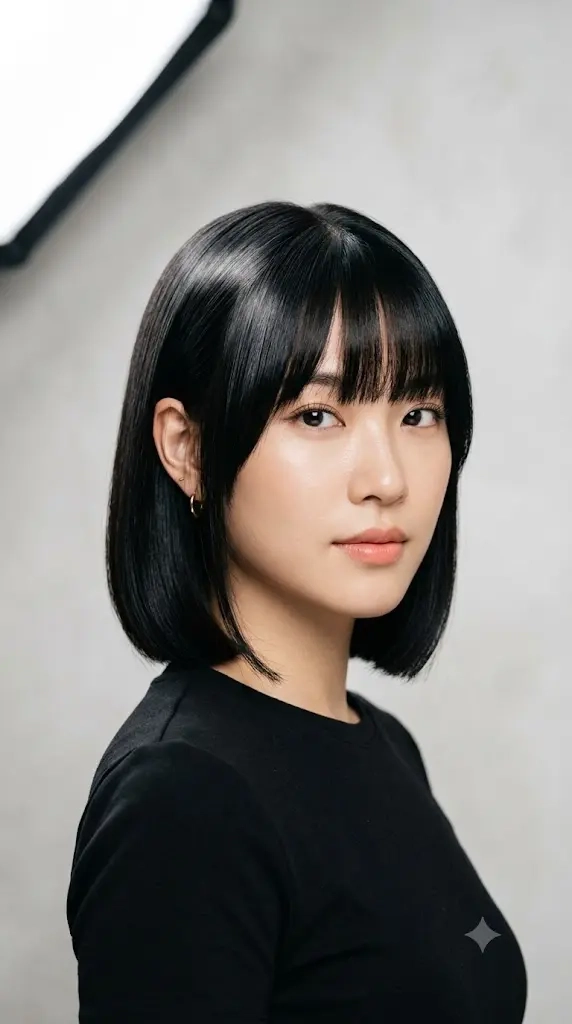
A single-length blunt cut with no graduation at the back and a heavily rounded shape. The curtain bangs are thick, with a defined center opening. On thick, straight Asian hair types this cut looks almost architectural. On wavy hair it can get triangular if the internal weight isn’t managed.
Maintenance is moderate — the blunt line needs a trim every five to six weeks to keep its integrity. Styling involves a smoothing blow-dry cream and a paddle brush to get that glassy surface. Humidity is its enemy; I’d budget for an anti-frizz serum if you live in a damp climate. Square face shapes should ask for the perimeter to be softened with slide cutting rather than a hard line, which can echo the jawline too aggressively.
6. Asymmetrical Bob With Deep Side-Parted Curtain Bangs
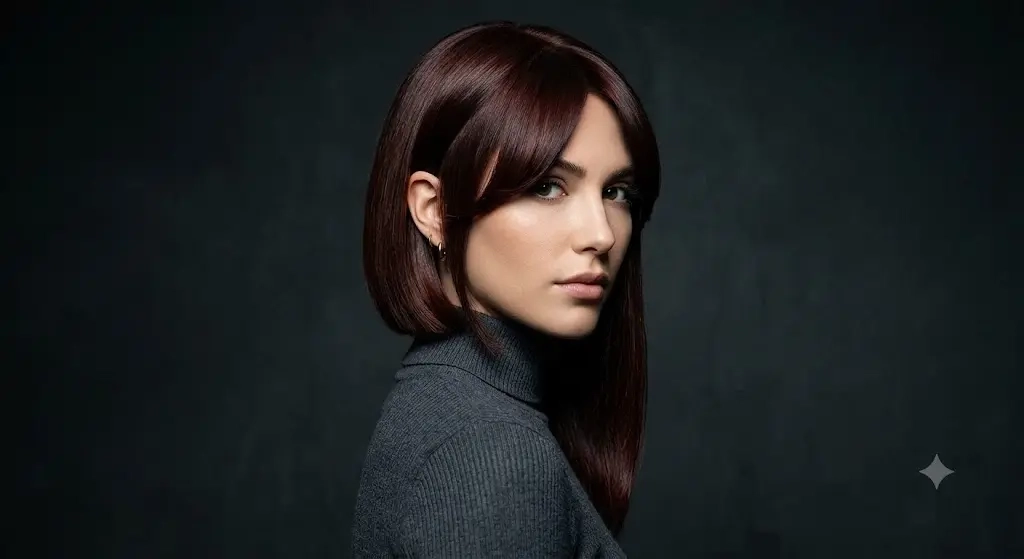
One side is longer — often by an inch or two — and the curtain bangs sweep across the forehead from a deep side part. This is a cut that reads as intentional and slightly edgy without being extreme. It works particularly well on medium to thick straight hair because the asymmetry needs enough weight to hang properly.
If you have a prominent cowlick at the hairline, this side-swept approach can actually camouflage it. Styling requires learning how to direct the fringe with a round brush from the deeper side; once set, it tends to hold. The shorter side might need a trim every four to five weeks to maintain the contrast, but the longer side can go a bit longer. Heart-shaped faces benefit from the asymmetrical line drawing the eye downward, softening a wider forehead.
7. Curly Bob With Curtain Bangs (Cut on Dry Hair)

If you have Type 3 curls, a bob with curtain bangs is possible but it must be cut dry, curl by curl. I’ve seen too many wet cuts on curly hair result in bangs that shrink up to eyebrow level when dry, completely losing the curtain effect. A dry cut lets the stylist see exactly where each curl will fall.
The bob length should sit around the jaw or a little below to account for spring-back. The curtain bangs themselves will be longer than you think when stretched; they should hit around the bridge of the nose when wet so they settle at cheekbone level dry. Maintenance involves a refresh spray and maybe a pick to lift the roots on non-wash days. Avoid heavy creams on the fringe area — a light gel or mousse keeps definition without weighing the curls down.
8. Inverted Bob With Curtain Bangs and Stacked Back

The nape is short and stacked, the front pieces angle longer toward the collarbone, and curtain bangs soften the front. This cut gives a lot of shape without much effort, especially on straight or slightly wavy hair. The stacking at the back creates natural volume, which is a bonus for fine hair.
One awkward thing: the grow-out stage can look mullet-like if the back isn’t trimmed regularly. If you’re low-maintenance with salon visits, ask for a less dramatic angle so the transition from back to front is gentler. Styling the bangs is the only daily task; the rest falls into place with a quick blow-dry. Oval and round faces work well, but if you have a long neck, the stacked nape emphasizes it further — some love that, some don’t.
9. Long Bob (Lob) With Face-Framing Curtain Bangs

A lob sits anywhere between the collarbone and the top of the shoulders. The curtain bangs are longer here, often blending into the face-framing layers seamlessly. This is the “I want to try curtain bangs without committing to a short cut” option. It works on virtually all hair textures, though very curly hair might need the bangs cut longer to avoid a poofy shelf effect.
The styling effort is lower than a shorter bob because the length itself weighs the hair down, but the bangs will still need some attention. A 1.5-inch curling iron on the front sections can create that soft bend away from the face. One mistake I see repeatedly: people ask for curtain bangs without specifying where they want the shortest point. If you want the bangs to be able to tuck behind your ear, tell your stylist; otherwise the shortest layer might be too short to reach.
10. Choppy Mini Bob With Micro Curtain Bangs
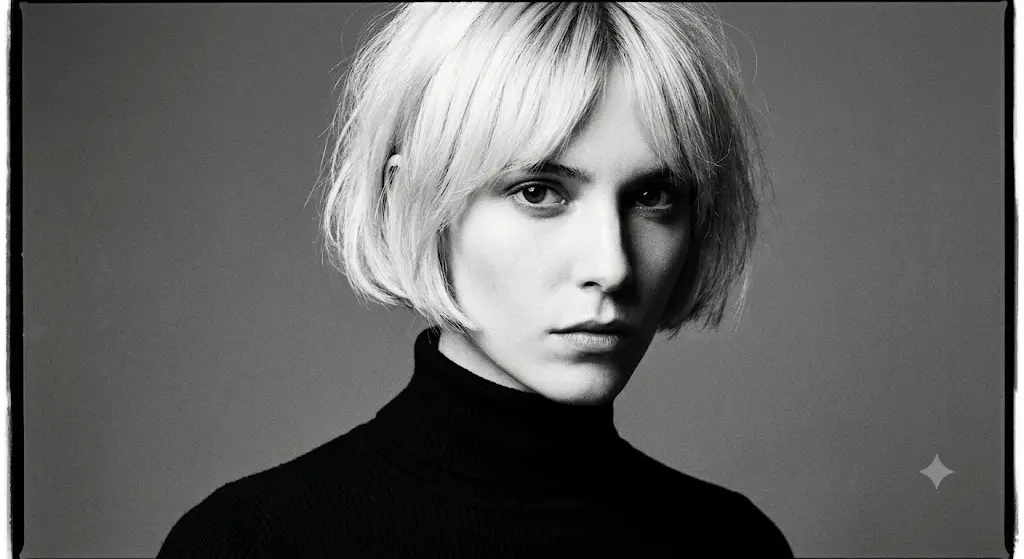
This bob hovers around the ear lobes, maybe a touch longer, and the bangs are shorter than classic curtain bangs — sitting mid-forehead with a distinct center opening. It’s a high-impact look with a bit of an androgynous ’90s feel. It photographs well but demands facial features that carry short hair confidently.
Texture-wise, straight to wavy hair works best; curls can make the mini length bounce up too high. The bangs need trimming every two to three weeks if you’re strict about the length; otherwise they grow into an eye-grazing stage quickly. If you have a round face, consider keeping the bob a little longer at the front to elongate. Styling involves a flat iron or a small round brush, but at this length the whole head can be done in under five minutes.
11. Wavy Bob With Curtain Bangs and Beachy Texture

This is the salt-spray, scrunch-and-go bob. The length is usually somewhere between chin and collarbone, with soft, non-blunt ends and curtain bangs that have plenty of texture. It looks best on naturally wavy hair types — the cut enhances what’s already there.
If your hair is straight, you can fake it with a texturizing spray and a diffuser, but you’ll be working against your natural tendency. Humidity can cause frizz on the bangs, so a lightweight oil smoothed over the surface post-styling helps. The cut itself is low-maintenance; it grows out softly because there are no hard lines. Face shape wise, it’s gentle on angular features because the waves and piece-y bangs soften sharp jawlines and cheekbones.
12. One-Length Bob With Curtain Bangs and Hidden Undercut

On the surface it’s a classic bob with curtain bangs, but the nape has a subtle undercut to remove bulk from thick hair. This is a practical solution for women with dense, heavy hair who love the bob silhouette but hate how hot and bulky it feels at the back.
The curtain bangs keep the front looking soft, and since the length is all one level, the shape stays crisp. The undercut needs a trim every three to four weeks or it grows into a fuzzy shelf; that’s the trade-off. Styling is easier because there’s less hair to manage. Ask your stylist to keep the undercut low enough that it’s invisible when your hair is down, unless you like the option to show it in a half-up style.
13. Textured Bob With Curtain Bangs and Razor-Cut Ends

A razor-cut bob has a feathery, almost windswept quality. The curtain bangs are sliced into with a razor as well, making them wispy and light. This is a cut that moves — it’s not meant to look sleek or polished.
It’s incredible on fine to medium hair because the razor texture prevents the ends from looking blunt and heavy. On coarse or frizz-prone hair, though, a razor can cause the cuticle to fray over time, leading to more breakage. If your hair is thick and wavy but you still want this look, ask for the razor to be used only on the very ends and keep the interior layering scissor-cut. Styling is optional; it looks good a little messy. Oval and oblong faces benefit from the soft width it adds.
14. Rounded Bob With Curtain Bangs and Baby Blowout

Think ’90s Cindy Crawford: a shoulder-grazing bob with a smooth, rounded under-curve and bouncy curtain bangs that curl away from the face. This is a blowout-dependent style, full stop. If you’re not willing to use a round brush and a blow dryer with a concentrator nozzle most wash days, the magic disappears.
It works beautifully on medium to thick hair that holds a shape well. Fine hair can achieve it with a good volumizing mousse and some Velcro rollers at the crown while cooling. The bangs need to be long enough to wrap around a brush — at least nose-tip length when wet. Trims every six to seven weeks keep the perimeter from losing its curve. This cut flatters square and heart-shaped faces by balancing the lower half.
15. Stacked Bob With Curtain Bangs and Tapered Nape

Similar to the inverted bob but with a softer, more blended stacking that follows the head shape rather than creating a sharp shelf. The nape tapers cleanly, and curtain bangs open up the face. It’s a clean, professional cut that still feels current.
It performs well on straight to wavy hair and gives fine hair a density boost at the back. The key is to avoid too much height at the crown — it can start to look dated if the stacking is extreme. Maintenance sits around five weeks; the nape loses its shape first. Pair it with a lightweight styling cream to keep the bangs smooth but not stiff.
16. Chin-Length Bob With Curtain Bangs and Sliced Interior Layers

This bob keeps the exterior line blunt but incorporates invisible sliced layers inside to remove weight and allow movement. The curtain bangs are moderate in thickness, blending into the face frame. It’s a smart cut for thick hair that wants the blunt look without the bulk.
Styling is relatively easy: rough-dry the interior, then smooth the top layer and bangs with a brush. If you have a cowlick in the front hairline, the bangs might separate oddly; in that case, a slightly off-center part can redirect the hair. Oval, heart, and diamond faces can wear this without much modification. Round faces might want the length slightly below the chin.
17. Angled Bob With Curtain Bangs and Feathered Ends

The angle is more dramatic from back to front, with the front sections reaching the collarbone while the back sits at the nape. The ends are feathered, not blunt, which softens the angle. Curtain bangs are cut to blend into the shorter side layers.
This cut elongates the neck and suits round and square face shapes particularly well. It works on straight to wavy hair; curly hair might obscure the angle too much. The styling demand is medium — you’ll need to blow-dry to keep the angle visible, otherwise it can curl under unpredictably. A heat protectant is non-negotiable on the ends. The grow-out is asymmetrical, so it can look intentionally shaggy if you let it go.
18. Messy French Bob With Curtain Bangs and Natural Texture

This is the bob that looks like it wasn’t really styled — slightly tousled, air-dried, with curtain bangs that separate into natural clumps. It’s basically a French bob but with less polish and more texture. Hair with natural wave or a bit of frizz actually enhances the look rather than ruining it.
It’s low-maintenance by design. You might only need a curl cream or a sea salt spray scrunched in wet hair, then air dry. The bangs can be refreshed with dry shampoo at the roots. The length is usually just below the jaw. One caveat: on very straight, heavy hair this cut can look limp rather than intentionally messy, so some internal point cutting is needed to create separation. It’s a forgiving shape for most face types except very round faces, where a slightly longer length is safer.
Styling & Maintenance Advice
Curtain bangs demand daily attention, but not necessarily heat. A lot of people find that a quick wet-and-blow-dry of just the fringe section — using a small round brush and concentrating airflow downward — takes under two minutes and sets the shape for the day. If you’re heat-averse, try using Velcro rollers on damp bangs; roll them away from the face and let them air-dry or hit them with cool air for five minutes.
Heat styling the full bob depends on the finish you want. For sleek, glossy looks, a blow-dry cream and a paddle brush are essential. For tousled texture, a diffuser on low heat and a texture spray at the roots are your allies. Fine hair should be cautious with heavy oils and serums near the fringe — product travels upward and can make the bangs look greasy by mid-afternoon. Dry shampoo at the bang roots is the universal quick fix.
Trimming frequency: curtain bangs generally need a trim every three to four weeks to keep them from crossing the line into regular side bangs. The bob perimeter can stretch to six or eight weeks depending on the style and how fast your hair grows. If you’re growing out the bangs, consider having your stylist gradually blend them into face-framing layers so the awkward in-between phase is less noticeable.
Humidity is the biggest variable. Curtain bangs on straight or slightly wavy hair can twist or frizz in damp weather. A light anti-humidity spray applied to the fringe before leaving the house can help, but you may need to accept that some days the bangs will have a mind of their own. A mini flat iron stashed in your bag isn’t a bad backup plan.
What to Ask Your Stylist
Salon communication makes or breaks this cut. Instead of showing a single photo and saying “I want this,” bring a few reference images and explain what you like about each — the fringe density, the overall length, the texture. Then give your stylist the constraints: your morning styling routine, how often you trim, and any trouble spots like cowlicks or thinning areas.
Specific language that helps:
“Can you keep the shortest point of the curtain bangs at the bridge of my nose when wet?” This prevents the bangs from ending up too short when dry.
“I want soft internal layering, not heavy top layers.” This avoids the shelf-like look that can happen if too much weight is removed from the crown.
“Please cut the perimeter with point cutting, not a hard blunt line.” Gives a softer edge that grows out better.
“I have a strong cowlick on the left side of my part — can the bangs start deeper back to weigh it down?”
“I’d like the bangs to blend into face-framing layers so they grow out gracefully.”
If you have curly hair, the most important phrase is: “Can we cut it dry?” If your stylist insists on a wet cut for curls, I’d gently find someone else who specializes in curl cutting.
Common Mistakes
- Going too short on the bangs without considering the cowlick. A cowlick at the hairline can make curtain bangs separate oddly. If your stylist doesn’t account for it, the fringe will never sit right without aggressive heat styling. Always point out any growth patterns before the scissors start.
- Over-layering fine hair. Removing too much weight from fine hair around the face can leave the front sections looking sparse and stringy within weeks. A good curtain bang on fine hair still needs enough density to hold its shape.
- Not discussing bang width. Curtain bangs can be cut narrow (just around the eyebrows) or wide (blending into the hairline toward the ears). If you prefer to tuck your hair behind your ears, a narrower bang is better. Too wide, and you’ll have short pieces that won’t stay tucked.
- Using the wrong products on the fringe. Heavy conditioners or creams applied too close to the scalp will make curtain bangs cling together and look oily. Keep moisturizing products to the mid-lengths and ends.
- Assuming the cut will style itself. Even a “low-maintenance” bob with curtain bangs requires some effort on the fringe. If you absolutely will not touch a brush or dryer, you may be disappointed when the bangs don’t magically swoop.
- Not pre-booking trims. Because the bangs are the first part of the haircut to annoy you, having your next appointment already scheduled for four or five weeks out prevents that “I can’t see anything” panic where you’re tempted to trim them yourself with kitchen scissors. Do not do that.
FAQ
Q: Can I pull off curtain bangs with a bob if I have a round face?
Yes, but length matters. A bob that ends right at the jawline can sometimes emphasize roundness. Choosing a length just below the chin or at the collarbone, along with curtain bangs that are longer and angled, helps elongate the face. Avoid blunt, wide bangs — ask for something airier.
Q: How do I style curtain bangs if I don’t own a blow dryer?
You can use Velcro rollers on slightly damp bangs. Roll them away from your face, let them sit while you do your skincare or get dressed, then remove. A quick pass with a flat iron on low heat also works, but the roller method is the gentlest on hair.
Q: Do curtain bangs work on thick, coarse hair?
They do, and often beautifully — coarse hair holds the swoop shape with less product. The one thing to watch is bulk removal. Ask for internal slicing or point cutting to reduce weight without making the bangs look piece-y and separated. A razor should be used sparingly on coarse textures to avoid frizz.
Q: What’s the difference between curtain bangs and regular side-swept bangs?
Curtain bangs are parted in the center (or slightly off-center) and frame the face on both sides, with the shortest pieces usually hitting around the eyebrows and tapering down toward the cheekbones. Side-swept bangs are longer on one side and blend across the forehead. Curtain bangs create a symmetrical opening, while side-swept bangs are asymmetrical.
Q: Will my hair type affect how the bob and curtain bangs look?
Absolutely. Straight hair shows the precision of the cut and can look more graphic. Wavy hair softens the lines and adds texture. Curly hair needs a dry cut and a longer bang length to compensate for shrinkage. Coily hair can also wear this look, but it requires a stylist experienced in cutting highly textured hair in its natural state.
Q: How often do I really need to trim curtain bangs?
Every three to five weeks for most people. The exact timeline depends on how fast your hair grows and how specific you are about the length. Once the bangs hit your eye line, they stop functioning as curtain bangs and start being annoying. Regular micro-trims are easier than waiting too long.
Q: Can I still put my hair up with curtain bangs?
Yes, but the bang pieces will fall out around your face, which is intentional. If you want everything pulled back cleanly for the gym, you’ll need headbands or small clips. Some people find that the pieces around the ears are too short to reach a ponytail, so consider that if you regularly wear your hair completely off your face.
Final Thoughts
A bob with curtain bangs isn’t a one-style-fits-all proposition. The way it behaves depends entirely on your hair’s texture, density, wave pattern, and your willingness to give the fringe a few minutes of attention most days. What I’ve observed across dozens of salon conversations is that the most successful versions of this cut come from honest talk about those factors — not from a photo alone. If you walk into your appointment armed with specific language about length, weight distribution, and your daily routine, you’re far more likely to walk out with a cut that looks like it belongs to you, not to someone’s Pinterest board.
Further reading: 18 Blunt Bob Haircuts You’ll Want to Screenshot Immediately.