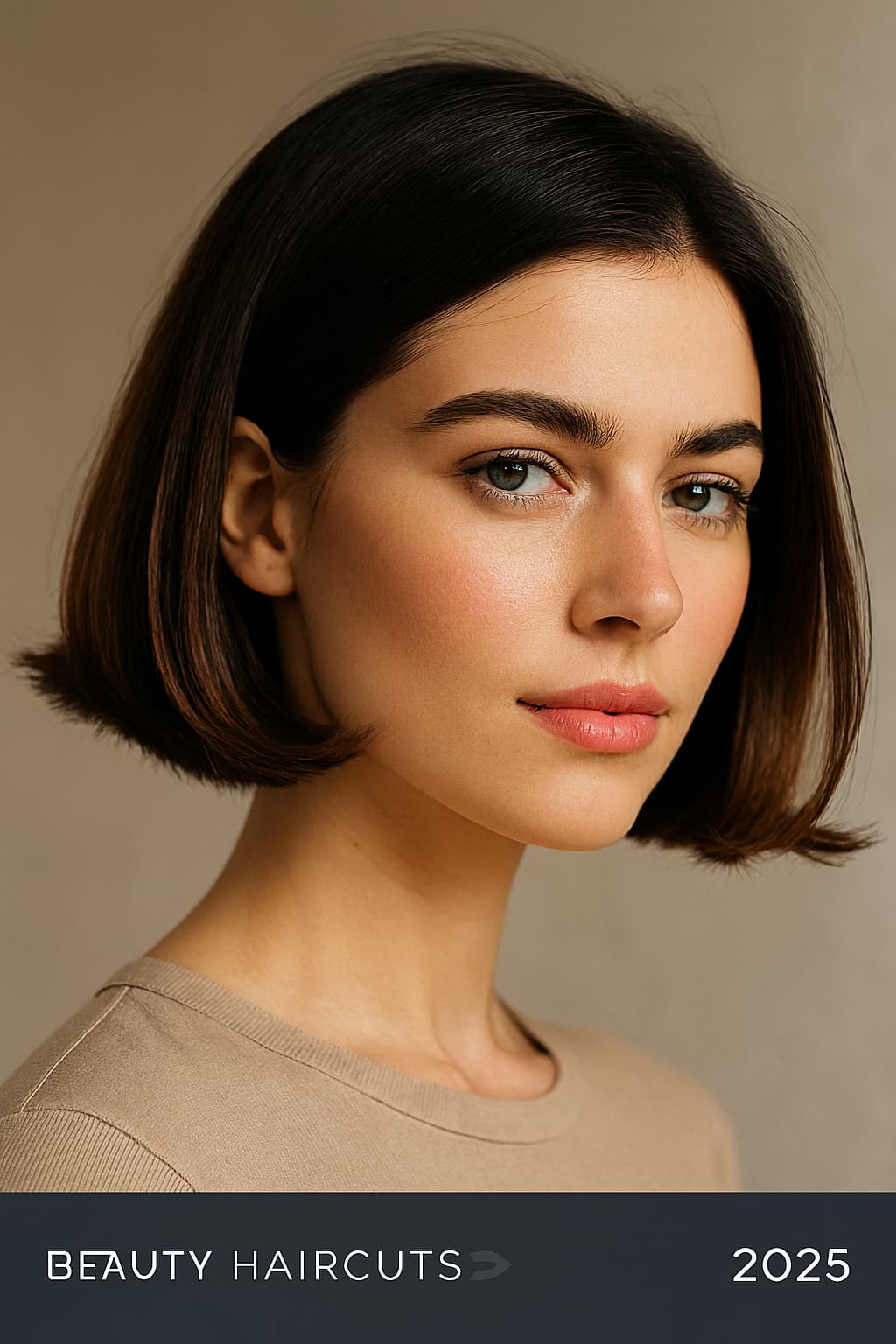
There’s a reason the French bob refuses to die. It sits right at the intersection of I-just-woke-up-like-this cool and a kind of quiet luxury that a blowout alone can’t fake. I’ve watched clients bring reference photos into the salon that look effortless, only to find out later the cut needs a round brush, a texturising spray, and a very specific jawline to land properly. That gap between the picture and the bathroom mirror is exactly what I want to talk about here.
Over the last three years, the bob has crept steadily upward. First it kissed the collarbone, then grazed the shoulders, and now we’re solidly at chin-length or above — with bangs, without bangs, razored, blunt, bendy. The French iteration pushes this even further. It’s cheekbone-focused, deliberately un-fluffy, and rarely overstyled. What makes a French bob look expensive isn’t the price tag; it’s the precision of the perimeter and how the texture behaves between washes.
I’m writing this for anyone who’s stood in front of a mirror with a Pinterest screenshot and wondered, will this work on my hair when I don’t have 40 minutes to style it? The answer depends on your density, your wave pattern, and how often you’re willing to dust the nape. I’ll go through 17 cuts that consistently photograph well and feel good in real life — along with the bits nobody posts on Instagram: the grow-out phase, the cowlick struggles, the humidity days.
If you’ve got fine hair, certain versions will give you bone structure you didn’t know you had. If you’ve got very thick hair, some of these will feel like a relief — lighter, faster to dry, less top-heavy. But get the internal layering wrong on dense curls and you’re in triangle territory. Let’s walk through these like we’re in the salon chair, talking through the mirror.
1. The Cheekbone-Skimming Blunt Bob With Blunt Bangs

A single, heavy line across the forehead and another straight across the jaw. No wispiness, no graduation. The ends land right at the highest point of the cheekbones, which pulls attention upward and makes the jaw look more angular. On straight or slightly wavy hair with medium density, this cut sits like a little helmet in the best way — architectural, almost Parisian art-girl.
It suits oval and heart faces beautifully. On round faces, you’ll want the bang line slightly shorter, above the brows, otherwise the horizontal line can widen the face. Styling difficulty is medium-low if you air-dry and your hair behaves; if you have cowlicks in the fringe, you’ll battle them every morning. The blunt perimeter needs a trim every 4 to 5 weeks to avoid looking heavy and shapeless. Ask your stylist to cut the perimeter dry — it’s the only way to guarantee a line that doesn’t spring up unevenly on one side.
2. The Brow-Grazing French Bob With Soft Internal Layers

Visually, this one’s lighter than the blunt version. The outer line stays sharp, but the inside has invisible layers that remove weight without creating choppiness. That stops thick hair from expanding into a mushroom silhouette by day three. The bangs hit just above the lashes, slightly piecey at the ends.
I’ve seen this work brilliantly on Asian hair textures that are straight but dense. Those hair types hold the shape with almost no effort. On wavy hair, the internal layering can encourage a natural bend that looks lived-in. If you’re dealing with cowlicks at the crown, a little root-lift spray before air-drying makes the top feel less flat. This grows out more gracefully than a completely blunt cut because the weight is already distributed.
3. Curly French Bob With Tapered Nape

Here’s where the French bob gets interesting. On type 3 curls, cutting the nape shorter — almost tapered — lifts the silhouette and prevents the back from collapsing into a shelf. The front pieces stay chin-length, and the top layers are left a bit longer to encourage volume up high instead of out wide.
This one fights humidity better than you’d think because the shape is so compact. But if your curl pattern is inconsistent, you’ll need to be comfortable with a diffuser and a good cast-forming gel. Face shape notes: heart-shaped faces and oval faces have the easiest time, but on square faces the roundness of the curls softens the jaw angle naturally. The biggest mistake I see is forgetting to account for shrinkage. Always cut curl by curl and dry, never stretch the hair while cutting.
4. The Razored French Bob With Feathered Ends

Instead of scissors, a straight razor cuts the ends at an angle. The result? A soft, feathery perimeter that moves easily, almost like a shag-meets-bob. The bangs are usually textured, swept slightly to the side but not heavy curtain territory.
This works for medium to fine hair that tends to fall limp with a blunt cut. The razored edges give a sense of motion even on totally straight strands. It’s less severe on square and rectangular face shapes because there’s no hard line cutting across the jaw. One warning: razored cuts can look frayed faster on damaged or highlighted hair. You’ll need hydrating leave-ins and the occasional dusting of the ends to keep it from looking splintered. Styling is truly low-key — a dab of texture cream, scrunch, go.
5. The Micro-Bang French Bob

Bangs cut a full inch or more above the eyebrows. It’s audacious, definitely not for the low-maintenance crowd. But paired with a chin-length bob, the proportions feel offbeat and high-fashion, especially if the hair is dark and glossy.
Face shape matters enormously here. A shorter forehead makes the micro-bang more flattering; a long forehead can handle it but shifts the whole proportion. Oval and diamond faces pull this off most easily. The cut requires the nape to be cropped fairly close, otherwise the short bangs can make the length look accidental. Maintenance: you’re looking at a bang trim every 2–3 weeks. On humid days, the fringe can curl up and look even shorter, so a mini flatiron is your emergency tool.
6. Wavy French Bob With Long Curtain Bangs

This version blurs the line between a bob and a shag. The perimeter stays above the shoulders, but the bangs split in the center and cascade to cheekbone length, melting into the sides. The overall shape is round through the back and piecey through the front.
It’s incredibly forgiving on most face shapes, especially long and heart faces. For wavy hair that’s 2A–2C, this is one of those cuts you can scrunch with sea salt spray and walk out the door. Straight hair will need some curl encouragement — overnight heatless rods or a quick pass with a 1-inch wand, nothing precise. The grow-out is less awkward because the curtain bangs gradually blend into face-framing layers. Biggest pitfall: if the layers aren’t connected properly, you get a mullet-y disconnect at the sides. Ask for a “perimeter with internal graduation” to avoid that.
7. The Jawline-Length Undercut French Bob

From the front, it’s a classic chin-length bob with soft bangs. From the back, the undercut removes a chunk of density right at the nape. This is for thick, heavy hair that overwhelms your face. The weight removal makes the bob swing better and stops the back from bulging.
It feels cool to the touch, a bit edgy. The undercut requires maintenance every 3 weeks or it grows in fuzzy, but since it’s hidden, you can stretch it a little. Not recommended for fine hair — you’ll lose volume where you actually need it. Styling is breezy; the less you do, the better the sleek shape looks. Face shapes: oval, square, and heart all work. Avoid if you have a very long neck and want the hair to keep visual balance.
8. The Sleek, Liquid-Looking French Bob

Mid-length, exactly at the jaw, with zero layers and a deep side part. The hair is blown out glass-smooth, often with a shine spray or light oil. It looks expensive because the light reflects off the surface in one unbroken sheet.
The catch? It only looks like this on pin-straight, relatively healthy hair. Any frizz, kink, or split end will catch the light and ruin the effect. It’s also a cut that needs a fresh blowout almost daily. A round brush, a concentrator nozzle, and a heat protectant are mandatory. On round faces, the side part and the vertical line of the hair elongate. On square faces, the sharpness at the jaw can feel a little severe, so a softer bang helps. Salon expectation: ask for a blunt line but with slightly beveled undercut at the ends so the hair tucks under gently instead of flipping out.
9. The Shaggy French Bob With Choppy Bangs

This one embraces mess. Choppy, uneven bangs, heavily texturized lengths, the ends flicking out in different directions. It’s inspired by ’70s French rock-and-roll style — a little louche. The volume sits at the crown, and the sides are kept relatively short.
Fantastic for fine hair because the chopped texture creates an illusion of thickness. On thick hair, it requires heavy point-cutting inside to remove bulk. The styling aesthetic is purposeful bedhead; a dry texture spray is your best friend. It works on oval, heart, and even round face shapes because the height at the top elongates. The trade-off: it can look unpolished very quickly if you skip a trim beyond 6 weeks.
10. The Rounded, Chin-Stacked Bob

The back is stacked, shorter layers graduating up to the occipital bone, while the front falls to chin length. In profile, it creates a rounded, bouffant-like shape at the back of the head. Pair it with wispy, brow-length bangs, and the overall effect is very vintage French cinema — but the stacking modernises it.
Thick hair holds this shape beautifully because the stacking removes enough weight to stop the bob from collapsing. Fine hair can sometimes lose the roundness as the day goes on; backcombing at the root or a few velcro rollers while cooling help hold the shape. Face shapes: heart and oval. For square faces, keep the front pieces slightly longer, just below the chin, to prevent widening. Needs a cut every 5 weeks to maintain the stacked silhouette.
11. The Textured French Bob With Side-Swept Fringe

Instead of straight-across bangs, the fringe is cut on an angle, swooping from a deep side part to blend into the cheekbone-grazing layers. The perimeter is razor-cut for softness. Visually, it’s asymmetrical interest without a harsh disconnect.
This is a smart choice if you hate bang trims — a side-swept fringe grows out more forgivingly and can be tucked behind an ear. It plays well with wavy and straight textures. On curly hair, the side-swept effect can be trickier to control because the curl direction might fight the part. I’d recommend a diffuser to set the part while drying. Round and heart faces get subtle asymmetry that breaks up softness nicely.
12. The Box Bob (Square-Outline French Bob)
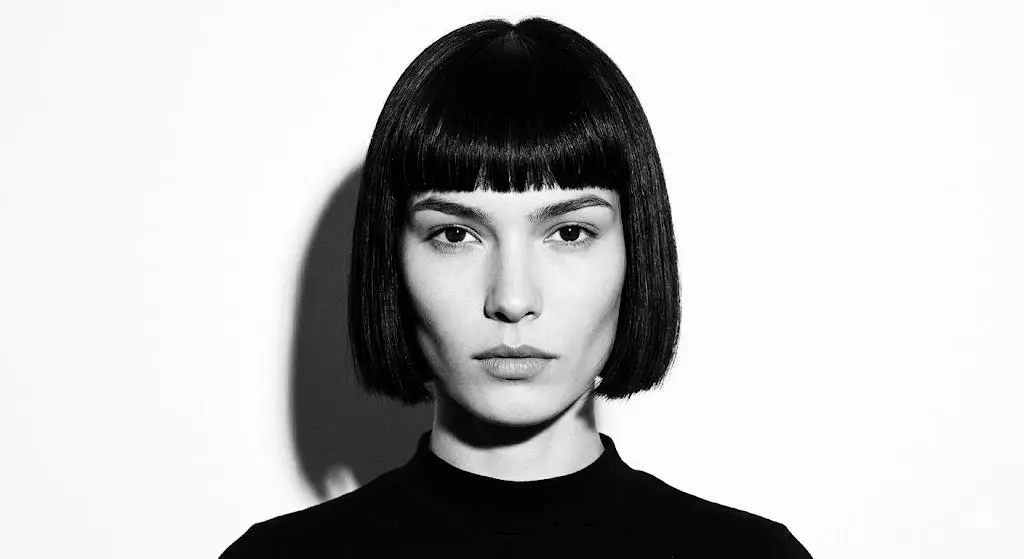
A true square shape: the perimeter is cut parallel to the floor, with very little rounding. The bangs are equally flat and wide, often grazing the eyebrows. It’s an androgynous, slightly mod look that photographs sharply.
This works on very straight, dense hair. Any wave and the square outline loses its crispness. It’s also a cut that demands regular blowouts; air-drying will turn the square into a fluffy triangle. Face shape is critical: oval and diamond faces carry the geometry best. Square faces risk doubling the angles. Stylist communication: ask for a “blunt, square perimeter, no graduation, corners left sharp.” Maintenance is high; salon visit every 4 weeks.
13. The Bixie-Inspired French Bob

A hybrid of pixie and bob, keeping more length through the ears and nape than a true pixie but with stacked, short layers on top. The bangs are choppy, sometimes brushed forward. It sits between earlobe and chin. This cut gives a lot of movement around the crown and eyes.
It’s surprisingly versatile for wavy and curly hair — the stacked top layers release curl definition beautifully. For fine straight hair, use a root-boosting powder to prevent it from going flat. This grows out into a bob nicely over 2–3 months, so it’s lower commitment if you’re curious about shorter styles. Watch out: if the crown layers are cut too short, you’ll enter rooster territory during grow-out. Ask for longer top layers with point-cut texture.
14. The Sliced French Bob With Hidden Undercolor

The cut itself is a simple blunt bob with brow bangs, but the back of the hair (underneath the top layer) has a sliced panel of a bolder color — think auburn under dark brown, or platinum under black. When the hair moves, the color flashes. The cut’s precision makes the color placement look intentional and expensive.
This works on straight or wavy hair that’s dense enough to hide the panel when still. You’ll need regular toner sessions to keep the undercolor bright. Styling requires nothing extra beyond the bob’s usual routine. It’s a conversation starter, but be realistic: if you always wear your hair up in a claw clip, the hidden color stays hidden. Great for oval and heart face shapes.
15. The Tucked-Behind-Ears French Bob

Very simple: a soft one-length bob without bangs, center or slightly off-center part, meant to be tucked behind one or both ears. The hairline and jaw are exposed. It feels minimal, almost Scandinavian-meets-French.
The success of this cut depends on how your hair falls when air-dried. If you have a strong cowlick at the nape or a forward-growing hairline, the tuck won’t hold without a pin. It suits oval and angular faces best. For round faces, tucking both sides can reveal too much cheek width; tucking only one side creates asymmetry. Styling: a light mousse at the roots and a tiny bit of pomade on the ends to add weight so it stays put behind the ear. Trims every 6 weeks keep the perimeter from looking shaggy.
16. The French Bob With Face-Framing Tendrils

Here, the bob itself is blunt or softly layered, but two skinny, longer pieces are left at the front — tendrils that skim the jaw or collarbone. It’s a romantic touch, often paired with a messy updo feel even though the hair is down.
On straight hair, the tendrils look sleek and intentional. On wavy hair, they curl softly and add movement. This cut helps soften strong jawlines, making it a solid pick for square and rectangular faces. The risk: if the tendrils are too thin, they can look stringy, especially on fine hair. Ask for pieces that start no narrower than the width of the temple. Maintenance is forgiving; trim the tendrils only when they pass the collarbone if you want the contrast.
17. The Platinum French Bob With Dark Roots

Color impacts how a cut reads, and a cool platinum bob with a hint of dark regrowth looks instantly sharp. The cut itself is usually a blunt, clean bob with micro or brow bangs, but the contrast draws the eye to the line of the cut.
This works particularly well on short foreheads with micro bangs and on oval faces. The dark root softens the grow-out, so salon visits can be spaced to 6–8 weeks — realistic for bleach maintenance. The downside: bleaching can affect texture, making the hair more porous and frizz-prone. Invest in bond-repair treatments and a silk pillowcase. If your hair is fine, the platinum can make the density look lighter; using a root shadow helps create depth.
Styling & Maintenance Advice
Let’s talk real mornings. A French bob rarely looks its best just air-dried with no product unless you have that rare straight-yet-voluminous hair type. Most people need at least a round brush on the bangs and a little shaping at the perimeter. A small round brush (about 1 inch) lets you bend the ends under or flick them out slightly without curling the whole head. If you’re heat-averse, use velcro rollers on the top section while you do skincare.
The bang situation is the number one maintenance factor. Fringes get greasy faster because they touch forehead skin. Dry shampoo is a legitimate lifesaver — apply it to the roots of the bangs before they look oily, not after. For curly French bobs, I recommend a continuous spray bottle with water and a leave-in conditioner to reset curls in the morning without a full wash.
Trims happen every 4–6 weeks. That’s non-negotiable if you want the silhouette to stay sharp. Once you hit week 7 or 8, a blunt bob can start flaring at the shoulders, and the nape loses its clean line. If you’re stretching trims, ask your stylist for a slightly softer perimeter that won’t look neglected as it grows.
Frizz and humidity: on straight bobs, a little lightweight smoothing cream before blow-drying helps. For wavy and curly cuts, glycerin-heavy products can make frizz worse in high humidity; look for humidity-resistant stylers with film-forming humectants like polyquats. A satin-lined beanie or hood in winter will save your bob from static.
What to Ask Your Stylist
- “Can you cut the perimeter dry? I want to see exactly where it falls without stretching.”
- “I’d like softer internal layering rather than aggressive top layers so the shape grows out more naturally.”
- “How will my cowlick affect the bangs? Can we cut them slightly longer on that side?”
- “Please leave the corners of the bob slightly longer than the center if I have a square jaw — I want the line to soften.”
- “Can you point-cut the ends rather than blunt-cutting everywhere? I want the line to be clean but not helmet-like.”
- “I want a perimeter that sits at my chin when my hair is dry and natural, not blown out straight.”
- “Show me the back with a hand mirror so I know the nape isn’t cut too high.”
These small phrasing details change the outcome dramatically.
Common Mistakes
Going too short at the nape without considering head shape. A flat occipital bone can make an over-tapered nape look like a ducktail. Let your stylist feel the shape of your head before cutting.
Forgetting ear protrusion. If your ears stick out a bit and you go for a bob that ends right at mid-ear, it accentuates that. Adding a tiny bit of length past the earlobe or keeping the hair tucked differently helps.
Using too much heavy product. French bobs lose their nonchalance under layers of oil and cream. A light hand with a texturising spray or volume mousse is usually enough. Heavy creams weigh the perimeter down, and that blunt line becomes lank.
Over-razoring fine hair. Razored ends on already-fine strands can start looking see-through within two weeks. Stick to point-cutting or slide-cutting for softness without sacrificing density.
Not factoring in shrinkage for curly cuts. This is the classic error. A stylist stretches a curl, cuts it, and when it springs back it’s two inches shorter than intended. Always cut curly French bobs dry and curl by curl.
FAQ Section
1. Does a French bob suit round faces?
Yes, but the details matter. Avoid bobs that end right at the widest part of the cheeks. A slightly longer front, with shorter bangs or a deep side part, creates vertical lines that counteract roundness. Blunt, heavy bangs at brow level can widen the face; baby bangs or textured bangs work better.
2. Can I pull off a French bob if my hair is thin?
You can, but you need to be strategic. A blunt perimeter gives the illusion of density. Avoid too many internal layers. A jaw-length or slightly shorter bob holds volume better than a longer one. Micro bangs can make fine hair look editorial rather than limp.
3. How do I style a French bob without heat?
For straight hair: apply a volumizing mousse to damp hair, part it, tuck behind ears while drying, and use a little pomade on ends to weigh them down. For wavy/curly hair: scrunch in a curl cream, plop with a microfiber towel, then air-dry without touching. Velcro rollers at the crown add lift without heat.
4. What’s the difference between a French bob and a regular bob?
A French bob is typically shorter — at the cheekbones or jaw — and includes bangs of some kind. It tends to be less layered, more blunt, and styled to look slightly undone rather than perfectly rounded. The vibe is more Parisian insouciance than polished American classic.
5. How often do I really need to trim a French bob?
Every 4–6 weeks for a sharp, blunt shape. If you have a softer, layered version, you can stretch to 7–8 weeks before the shape starts losing its intention. Bangs alone might need a trim at 2–3 weeks.
6. Can I wear a French bob with glasses?
Definitely, but adjust the length. If your frames are heavy, avoid a bob that hits exactly at the bottom of the frames; it creates a crowded horizontal line. Slightly shorter or slightly longer breaks the visual stack. Bangs should skim above the frames or be thin enough to not compete.
7. Is a French bob high-maintenance in summer humidity?
It can be. Blunt bobs expand with humidity. Use anti-frizz serums with silicones or humidity-blocking sprays. Curly bobs often fare better in humidity than straight ones because the texture disguises volume increase. A mini flatiron in your bag for the bangs is a practical summer hack.
Final Thoughts
The French bob is not a uniform cut — it’s a category. The version that looks expensive is the one that’s been tailored to your hair’s actual texture, your styling patience, and the rhythm of your life. Some days it will look impossibly chic with just a red lip; other days you’ll wrestle with a cowlick and wonder why you didn’t just keep the lob. That’s the reality. The women who wear it best are the ones who understand its limits and lean into its slightly undone nature rather than trying to make it perfect. If you’re ready to find your version and talk to a stylist in their language, pick a reference from this list, note the texture specifics, and don’t skip the dry cut. The right French bob doesn’t feel like a costume — it feels like your hair, just sharper.